10 Anti-Inflammatory Herbs & Spices to Add to Your Dishes
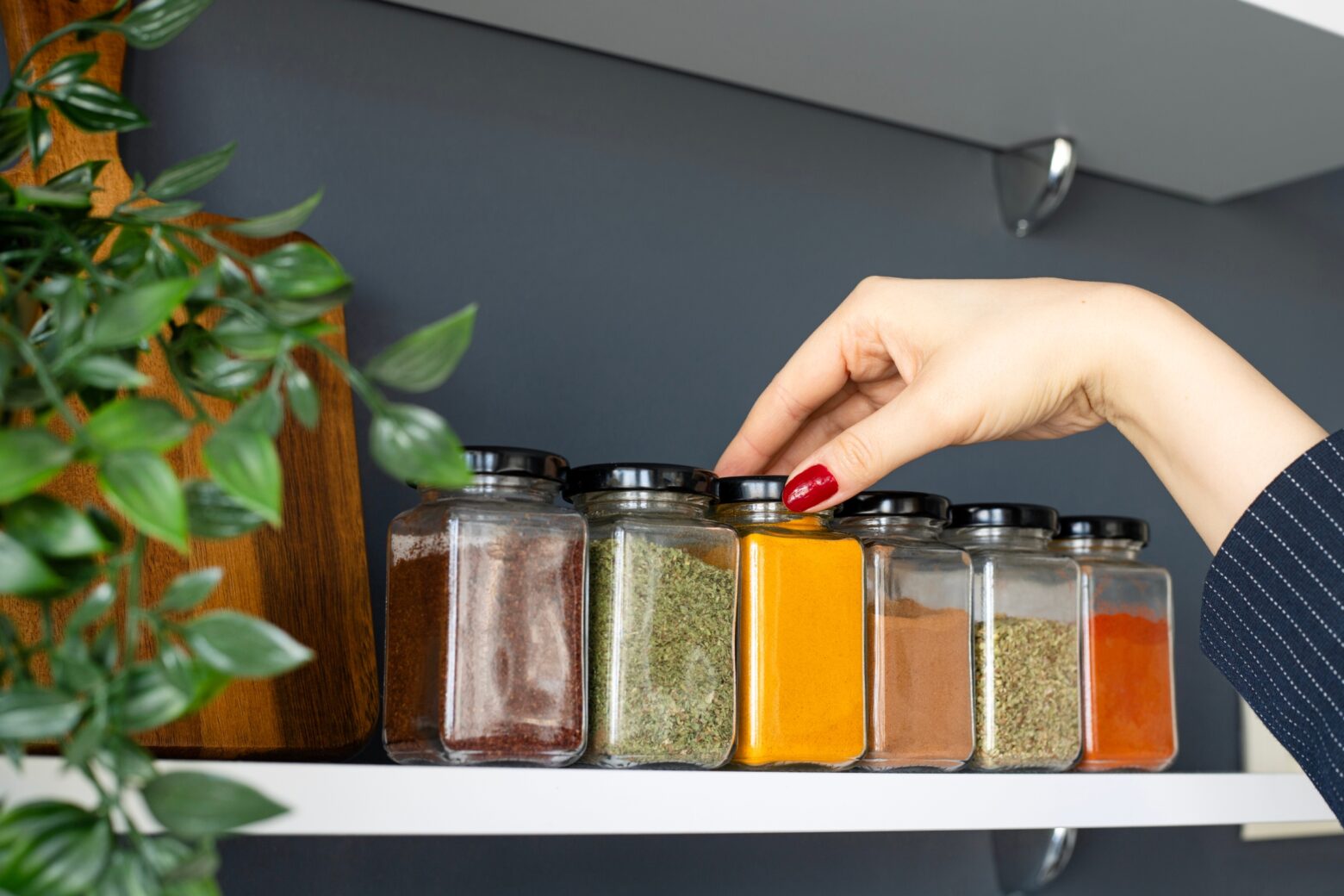
The Paleo Diet® is naturally anti-inflammatory. By cutting out inflammation-triggering foods like grains, beans, dairy, and added salt and sugars, you can reduce the risk of developing chronic disease later in life. But the benefits of Paleo don’t just lie in fruit and vegetables, but herbs and spices too. The secret is that while we often just think of them as a way to add flavor, they are actually nutrient-dense whole foods that have gone through no (or minimal) processing. And they can pack just as much or even more of a nutritional punch than fruits and veggies. So, we’ve compiled 10 Paleo, anti-inflammatory herbs and spices to add (or keep adding) to your dishes.
RELATED: The Best Anti-Inflammatory Fruits and Vegetables
Anti-Inflammatory Herbs and Spices
It’s no coincidence that you’ll find most of the following anti-inflammatory herbs and spices recommended in the book Paleo for Life. That’s because their anti-inflammatory effects and high concentration of longevity nutrients allow your body to stay strong for years to come. Just like the book, we recommend increasing their use in recipes to capitalize on the benefits, as long as the amounts are still within reason.
RELATED: How to Choose Spices & Make Your Own Spice Blends
Berberine Extract
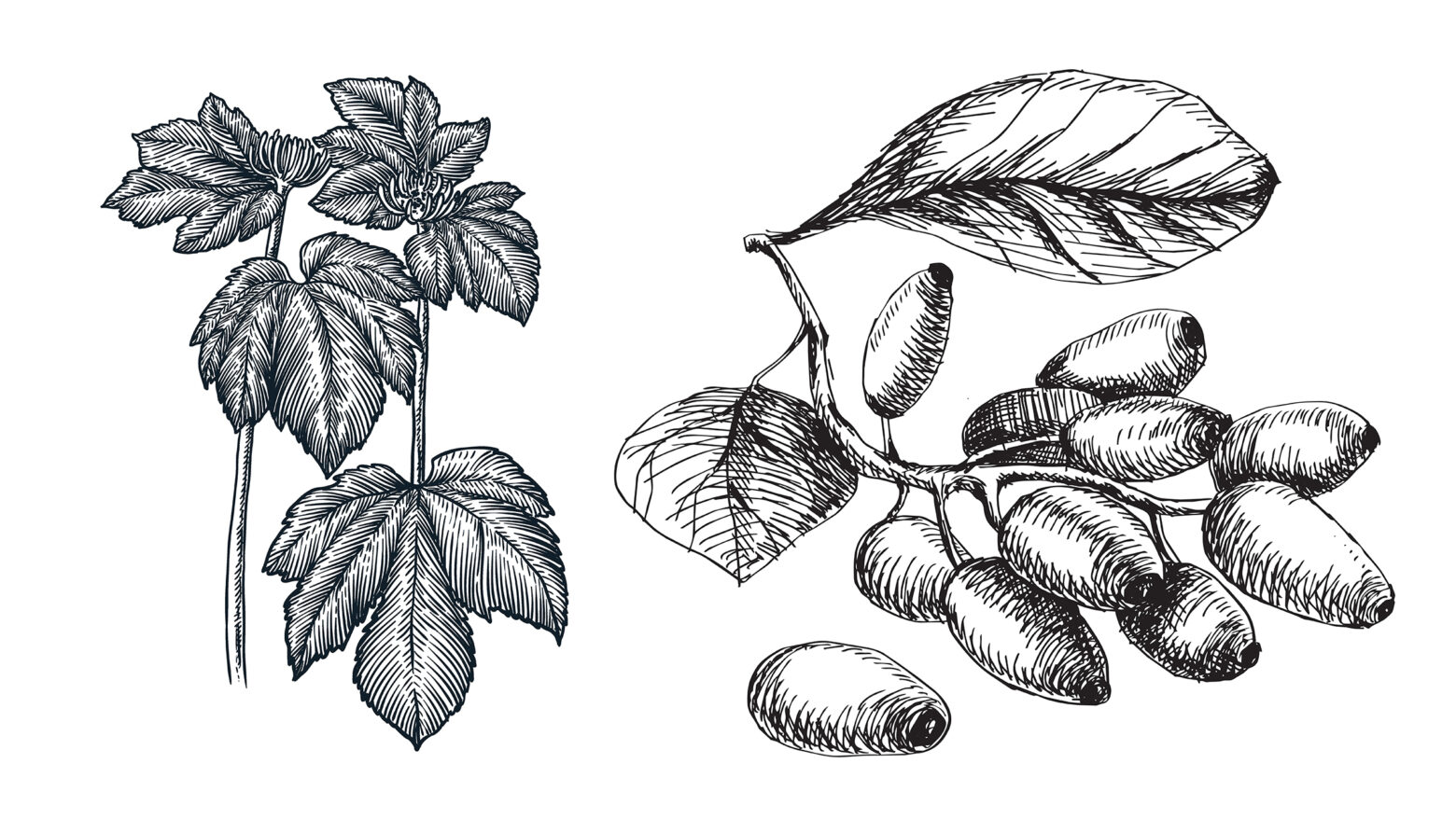
Berberine is the only food on this list that is a compound and not the plant itself, though it is naturally found in the herb goldenseal and other plants such as tree turmeric and European barberry. In a 2023 umbrella review, researchers found berberine significantly reduced inflammatory markers in patients with metabolic syndrome in three separate studies.1 They posited that berberine may reduce inflammatory proteins, thereby alleviating symptoms of chronic inflammation.
Another 2023 research article found berberine metabolites to have potential anti-inflammatory properties in gut microbiota, and may be able to manage inflammatory gastrointestinal disorders.2 On the other hand, constipation and diarrhea are common side effects of berberine,1 though the extract is considered safe to consume except for women who are pregnant or breastfeeding.3
Research on berberine is still relatively new, so, as always, consult with your healthcare provider before taking, introduce it slowly, and monitor any symptoms.
Berberine Culinary Uses
Because berberine is mostly taken as a supplement, it’s not typically added as an ingredient into recipes. It has low bioavailability, which means that the body cannot absorb it well, but combining it with foods that are high in natural P-glycoprotein inhibitors can help enhance absorption.4 Some natural sources include garlic, green tea, citrus, grapes, black pepper, and three anti-inflammatory herbs and spices also on this list: ginseng, St. John’s wort, and curcumin (from turmeric).5
Cinnamon

Cinnamon is a tropical spice derived from the inner bark of the cinnamon tree. It contains high amounts of polyphenols, many of which researchers postulate get their anti-inflammatory effects from working together synergistically.6
In 2020, a systematic review and meta-analysis of 12 randomized controlled trials found cinnamon powder to show a significant reduction in several cardiometabolic biomarkers of inflammation.7 Cinnamon’s primary bioactive compound of note is cinnamaldehyde, with a 2024 article on cancer finding it can regulate multiple inflammatory responses in the body, “creating an unfavorable environment for tumor development.”8
There are four main types of cinnamon used today. Cassia cinnamon is the most common, though it can contain high levels of coumarin, which has been found to be toxic to the liver when consumed in large amounts.9 Ceylon cinnamon—also known as “true” cinnamon—contains trace amounts of coumarin in comparison, and is considered a healthier choice to cassia cinnamon. Other potential side effects of cinnamon intake are generally mild and include digestive upset, though higher doses may cause burning or increased heart rate.10
RELATED: The Pros and Cons of Pumpkin Spice
Cinnamon Culinary Uses
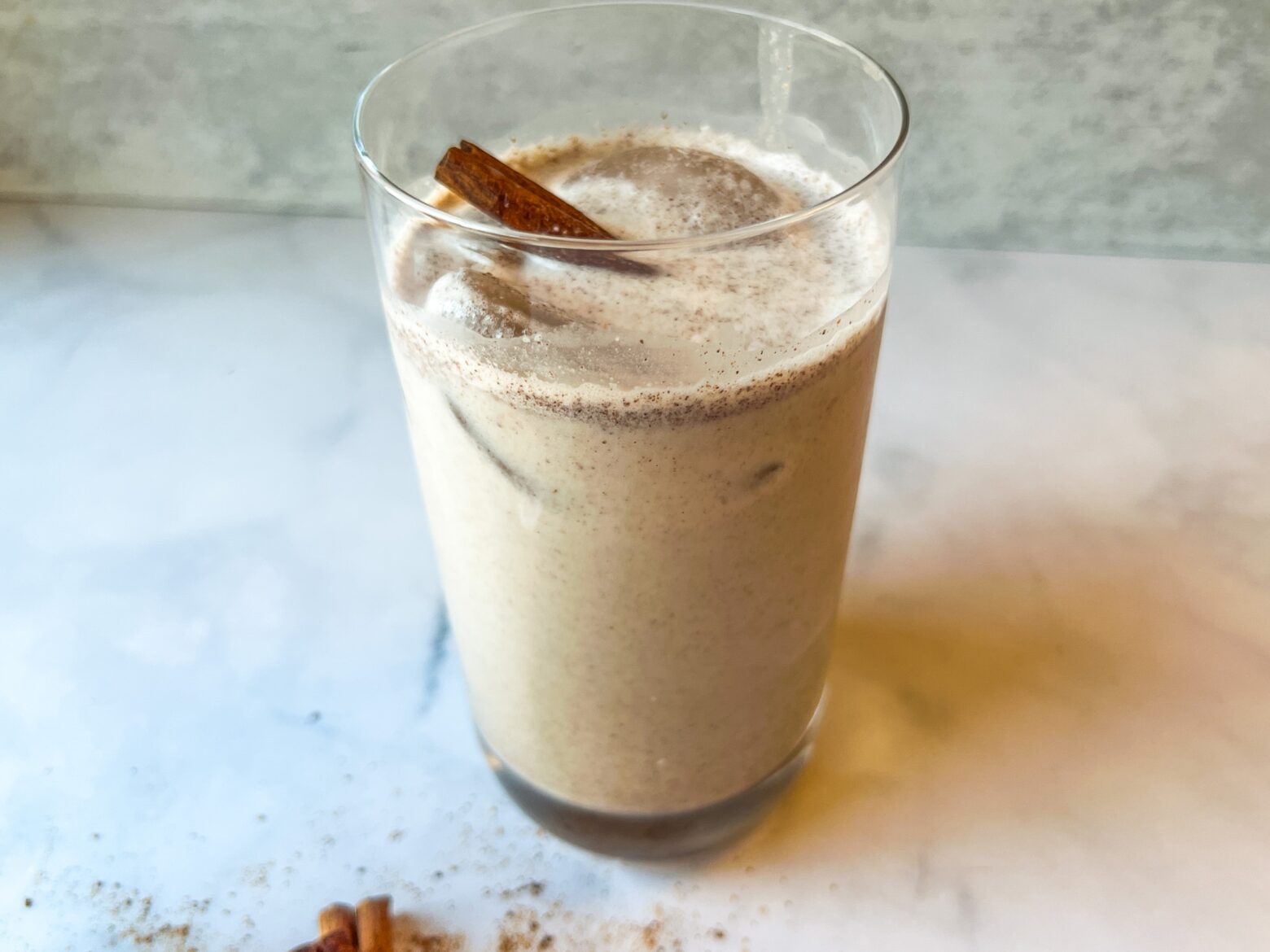
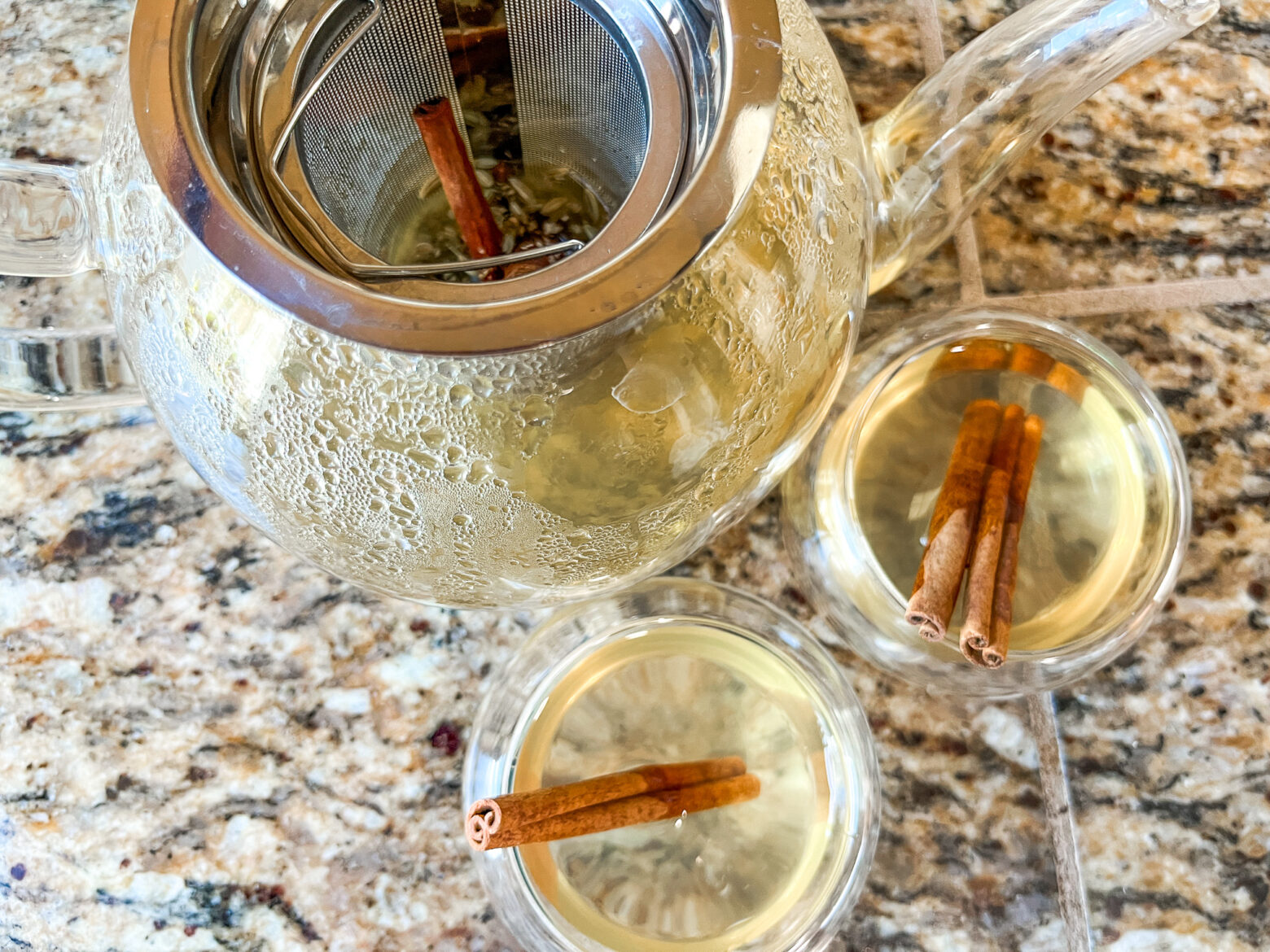
To optimize the beneficial effects of cinnamon, we suggest using organic Ceylon cinnamon in recipes. The ground spice can be used to season sweet and savory dishes alike, adding a depth of flavor to meals. Cinnamon sticks may be steeped in teas or used as a garnish in drinks.
Cloves
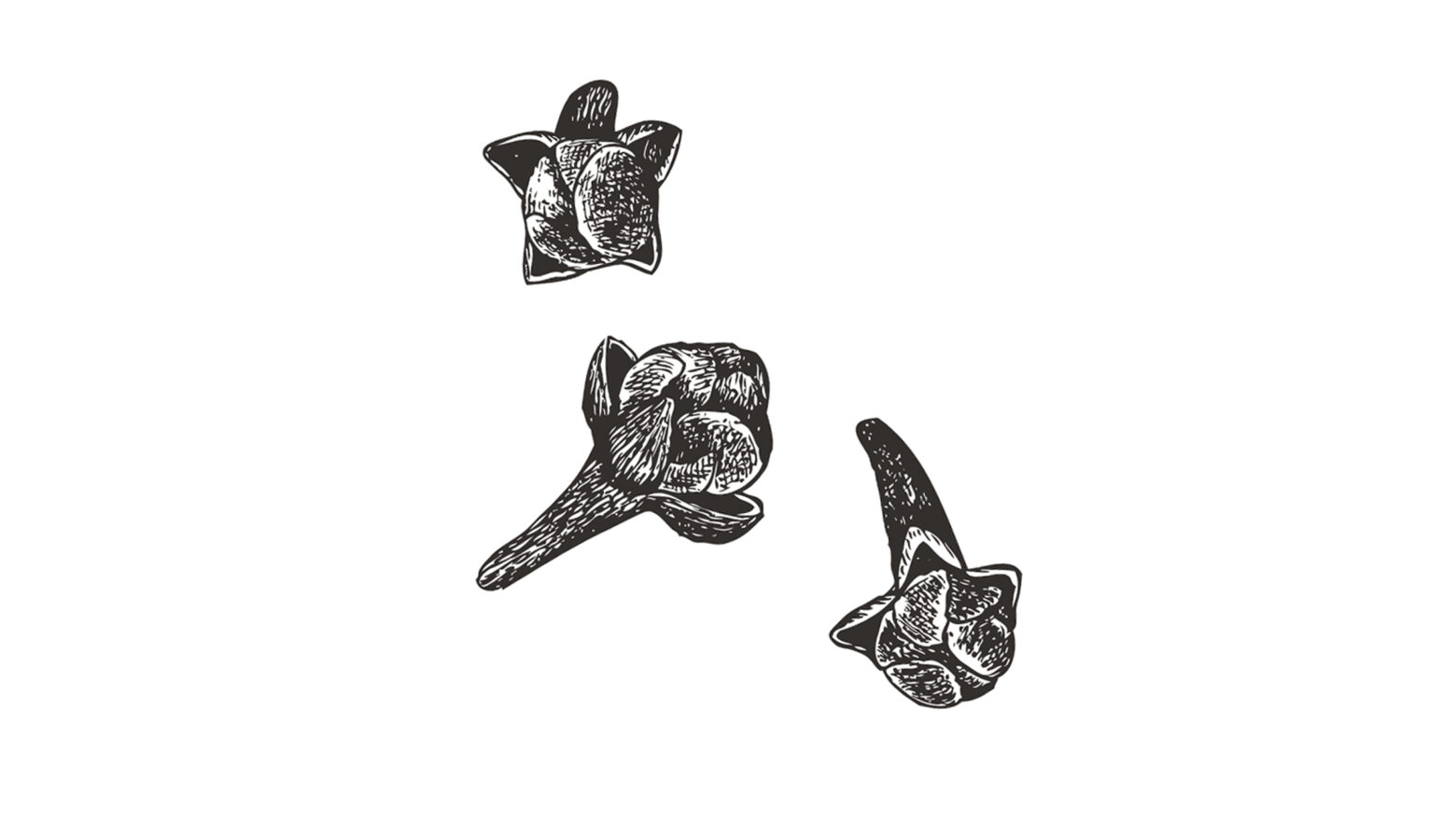
Clove spice is derived from the clove tree, originally native to Indonesia.11 The fragrant flower buds contain several anti-inflammatory compounds such as beta-caryophyllene, kaempferol, and rhamnetin.12 Cloves are also a major source of eugenol, a phenolic molecule with proven anti-inflammatory activities.
A comprehensive review from 2021 on the health benefits of eugenol claims that it protects neuron cells and is considered a chemoprotective agent appropriate for tumor therapy.13 With no known side effects, the authors of the review argue for eugenol’s potential as a strong anti-inflammatory drug.
While clove spice is considered safe to eat in normal amounts, there is some evidence of clove essential oil as a potential irritant, though more research is needed to fully understand its toxic effects.14
Clove Culinary Uses
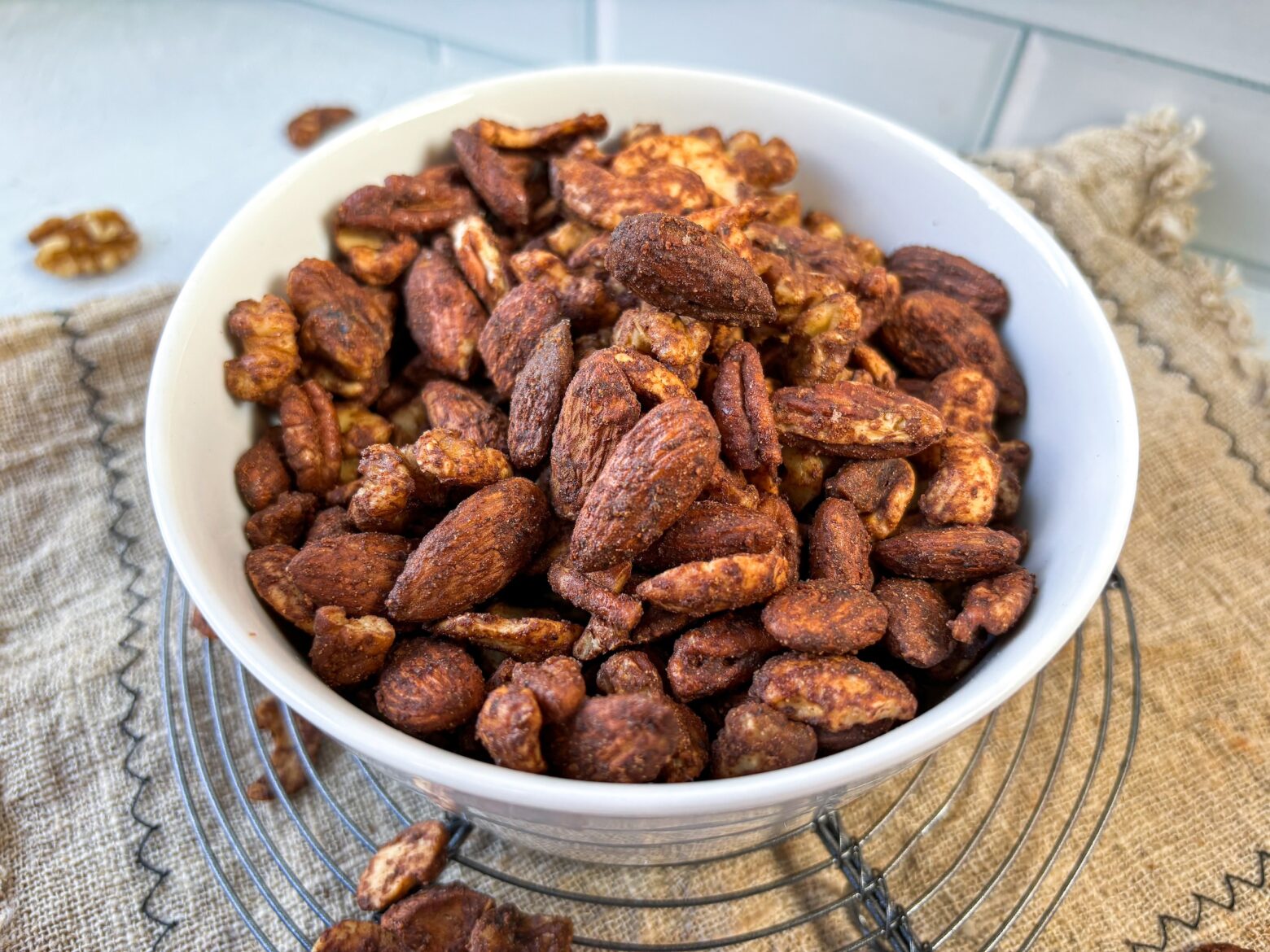
From indulgent treats to savory dishes, cloves can be used whole or ground in a variety of recipes. They complement other spices well, which is why they are found in classic flavor combinations like chai masala or pumpkin spice. Whole cloves are especially useful as garnishes or steeped in teas and sauces (just be sure to remove them from the dish before enjoying).
Fennel Seeds
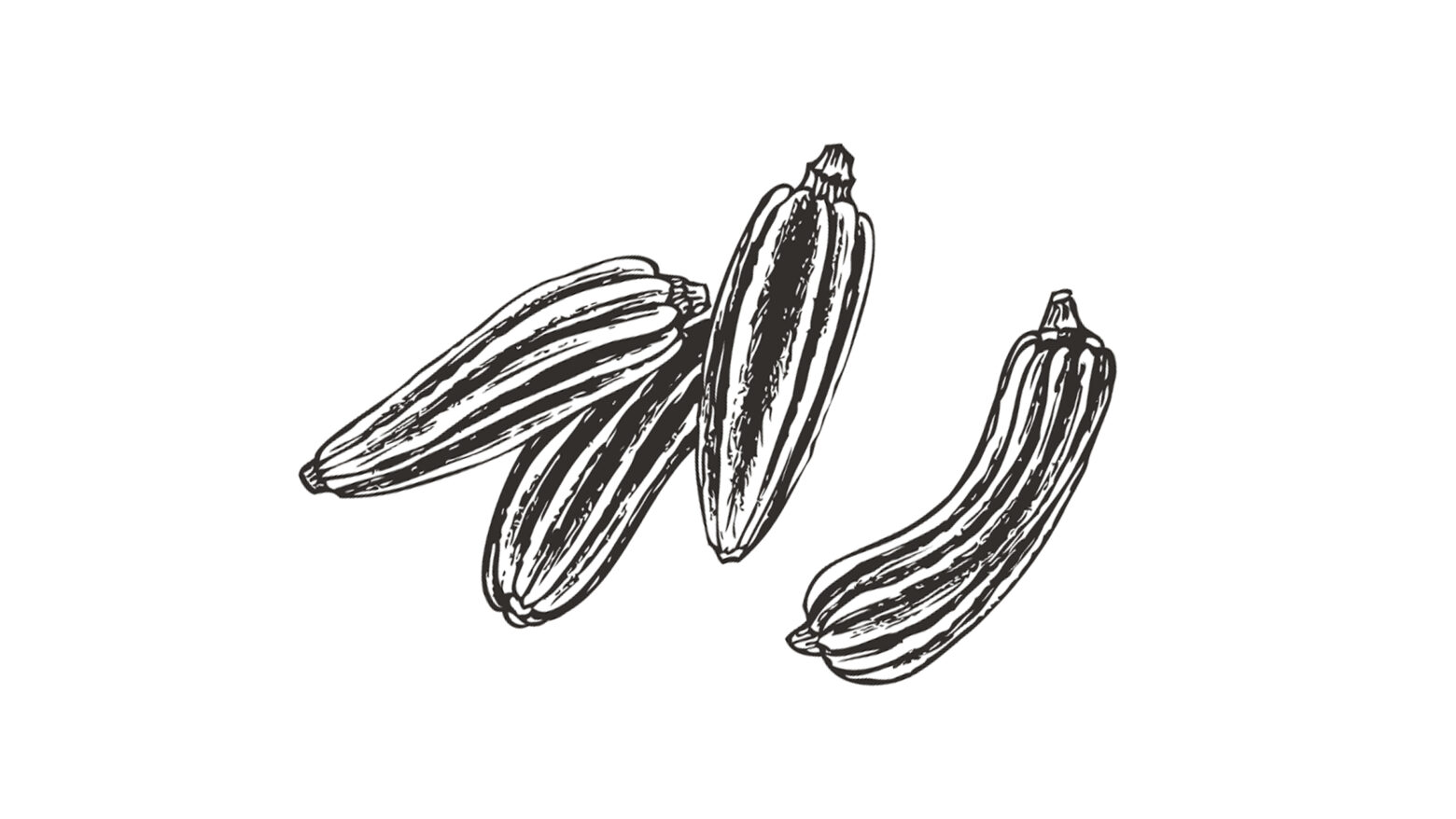
Fennel is a Mediterranean herb that can add aroma to recipes in both its seeds and whole food form. However, because its nutrients are concentrated in the seeds, we’ll focus on just that part of the plant.
The benefits of fennel seeds and fennel seed essential oil have potential culinary, pharmaceutical, and cosmetic applications. Two notable flavonoids in fennel seeds include quercetin and chlorogenic acid, known for both their antioxidant and anti-inflammatory effects.15 There is also fenchone, a vital anti-inflammatory ketone with pain-relieving and muscle relaxing properties.15,16
On the other hand, fennel also contains estragole, which has been found to cause cell mutations that could lead to cancer when consumed in high amounts.17 Young children and women who are pregnant or nursing should avoid taking fennel seeds to minimize exposure.
Fennel Culinary Uses
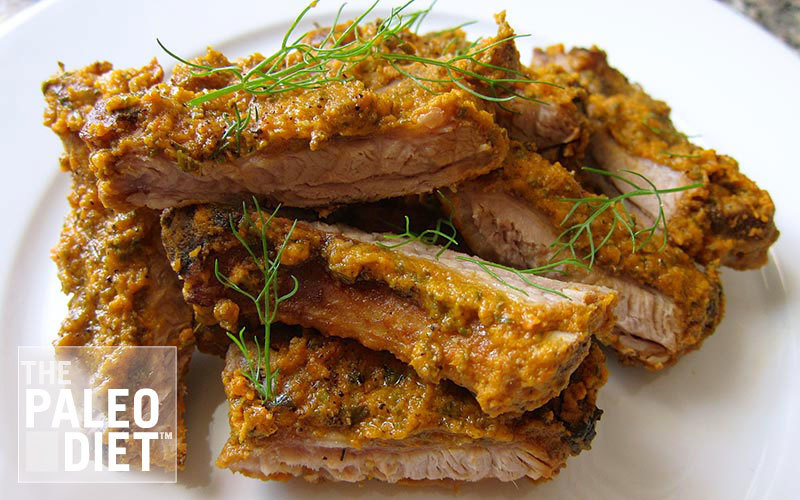
The whole fennel plant can be used in cooking. Simmer whole stalks in sauces to impart flavor, chop the bulbs to be eaten raw or cooked, or enjoy fennel seeds eaten whole as a spice in a variety of savory dishes.
Ginger
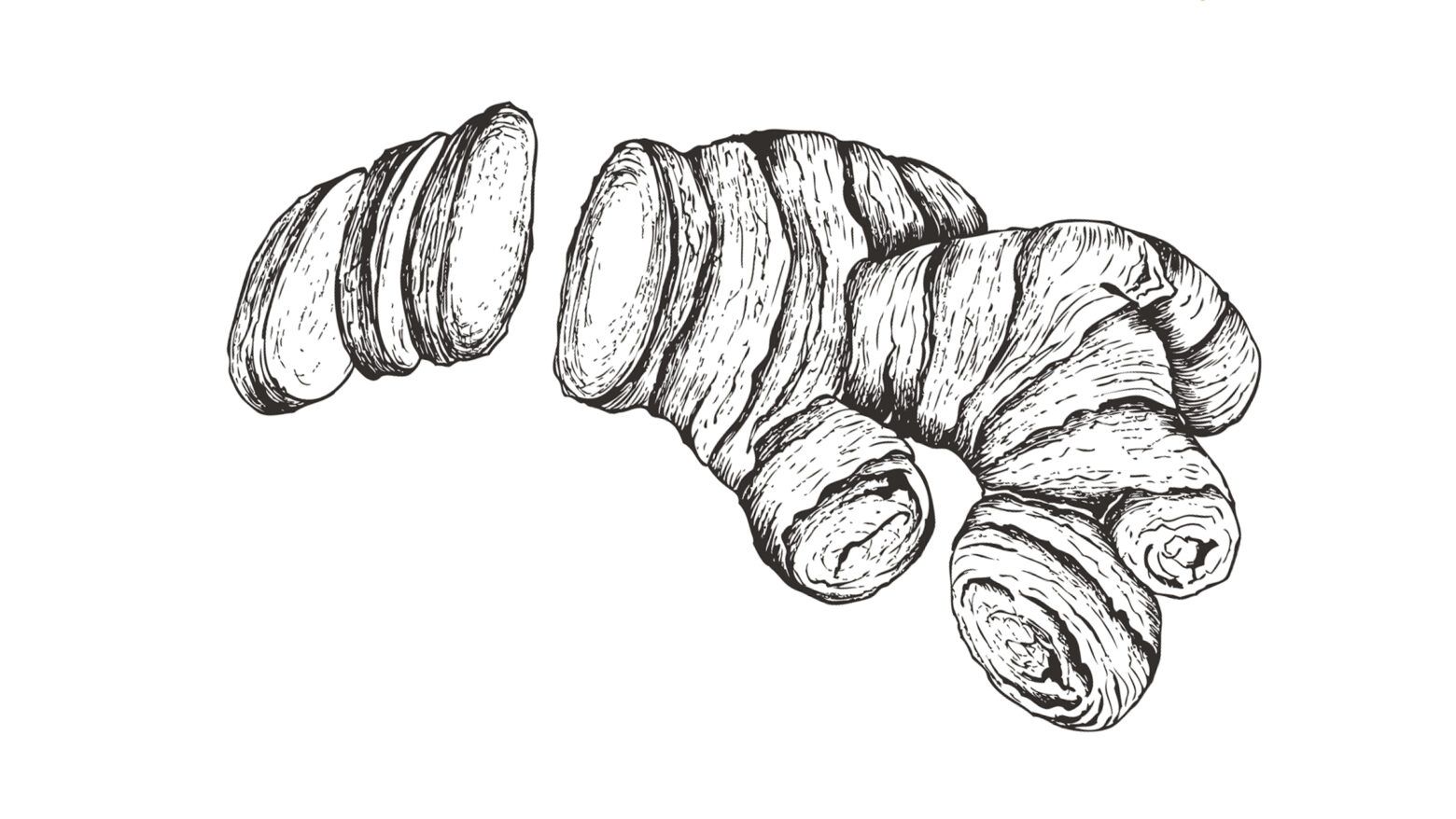
Ginger is one of many anti-inflammatory herbs and spices that has multiple potential clinical purposes, from gastrointestinal issues to pain management and metabolic disease treatment. In a 2020 systematic review of ginger’s health benefits, researchers found eight randomized controlled trials that supported ginger’s anti-inflammatory effects, particularly with osteoarthritis.18
Another umbrella review from 2022 claims that ginger has “80–90 nonvolatile compounds” with anti-inflammatory and antioxidant effects, pulling from five different systematic reviews for evidence.19 One of those reviews found ginger to be as effective in managing pain as non-steroidal anti-inflammatory drugs.
The side effects of taking ginger are generally mild, with gastrointestinal symptoms the most common, especially when taken on an empty stomach.19 It may increase the risk of bleeding as well, so it’s not recommended to use ginger up to two weeks before surgery.20
Ginger Culinary Uses
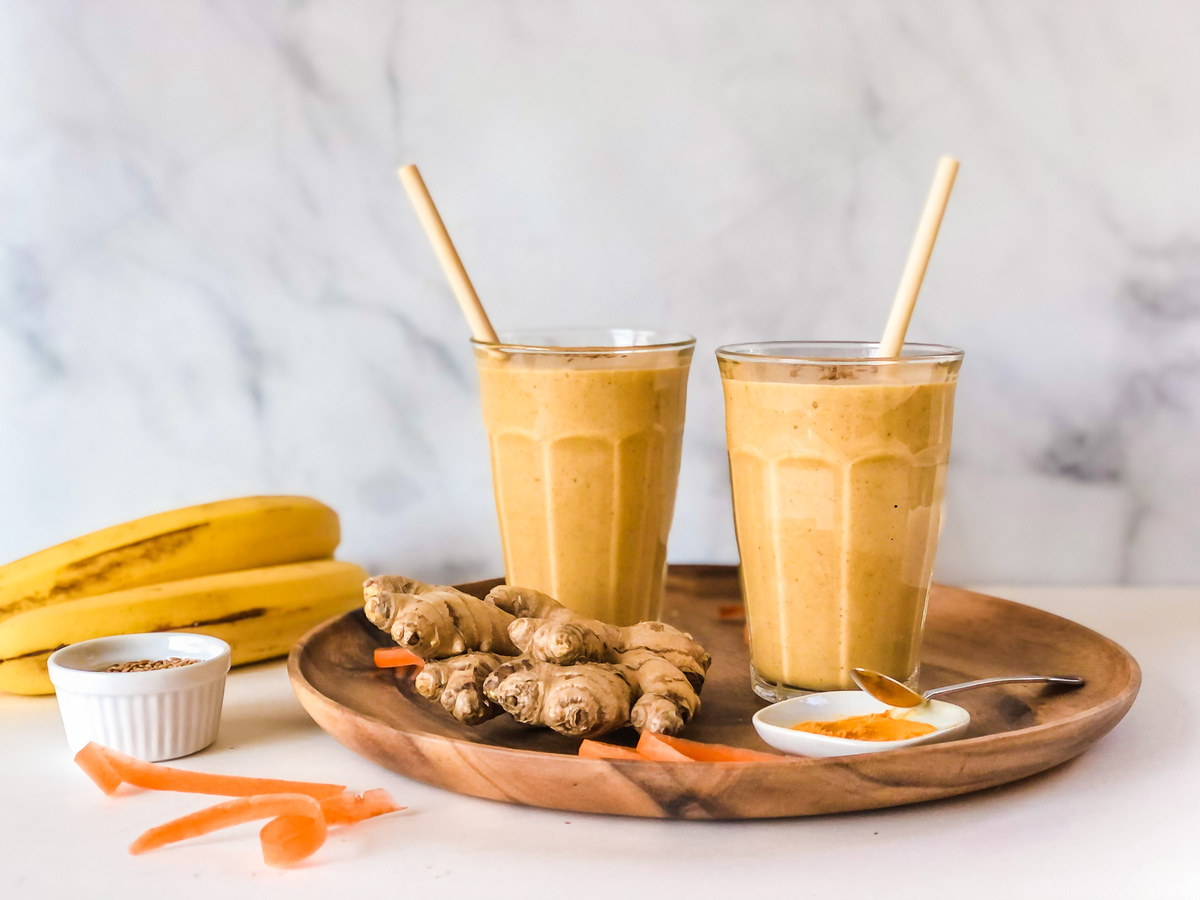
Though often called ginger “root,” the part of ginger people typically consume is the rhizome, or underground stem of the plant. It is a potent spice that can be eaten whole or ground into a fine powder, similar to garlic or turmeric powder. When eaten fresh, a little can go a long way; but when using ground ginger, it’s okay to substitute with more to get the same sharp flavor.
Ginseng
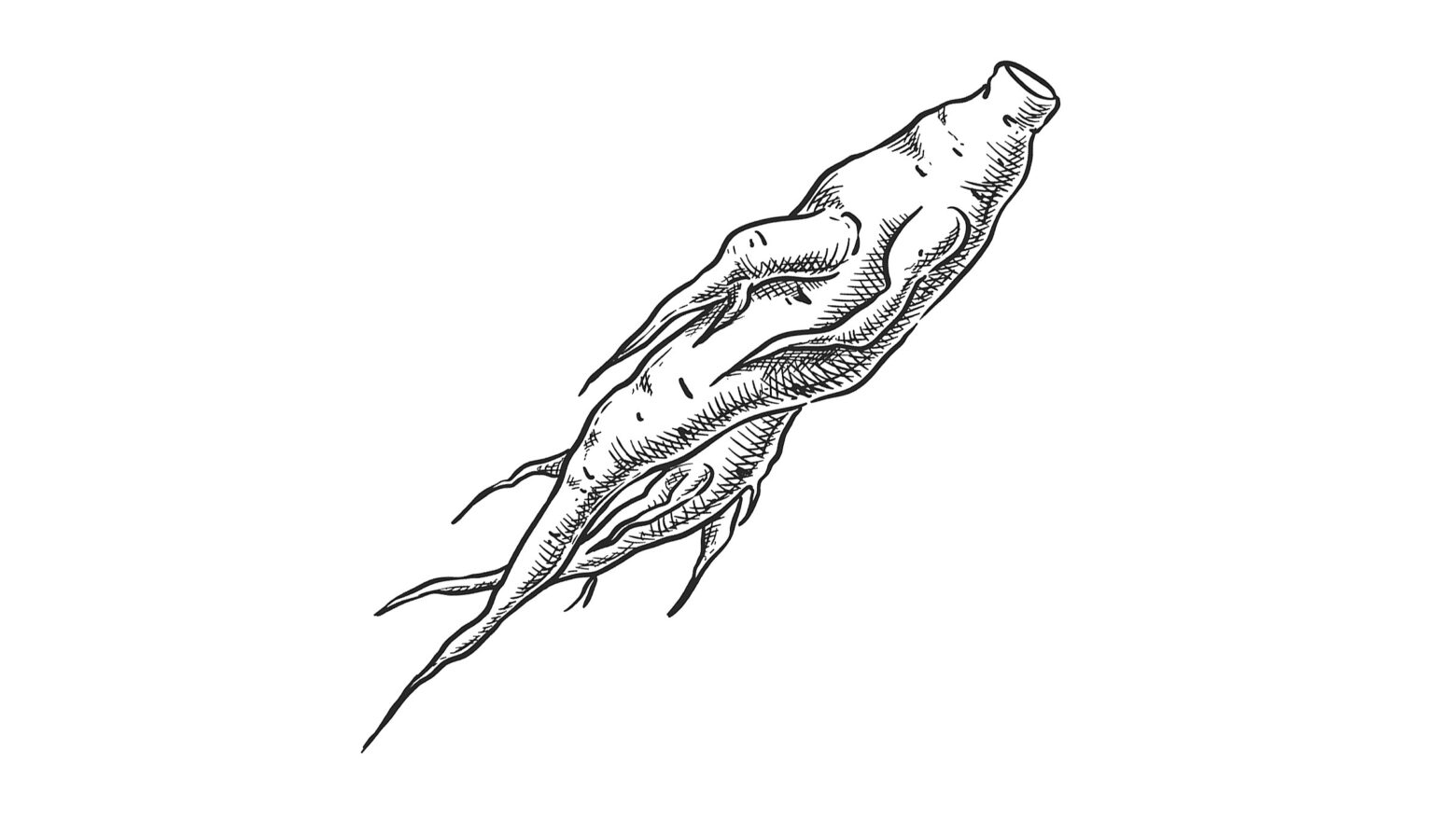
Though ginseng is often marketed as an Asian herb, it also grows throughout North America. This beneficial plant gets many of its health properties from bioactive compounds known as ginsenosides that are found almost exclusively in its genus. A 2023 review published in the International Journal of Molecular Sciences showed that most of the ginsenosides listed were effective at reducing inflammation, often by reducing inflammatory markers or regulating the inflammatory response.21
Similarly, a 2023 umbrella review of ginseng’s health outcomes found it to have anti-inflammatory benefits when compared to control groups who were not taking ginseng.22 Two studies were also cited within the same review in support of ginseng’s ability to accelerate inflammatory regression by regulating pro-inflammatory cytokines.
Ginseng may react with certain medications, including blood thinners and insulin. Some experts recommend only taking ginseng a few weeks at a time, and for no longer than three months.23
Ginseng Culinary Uses
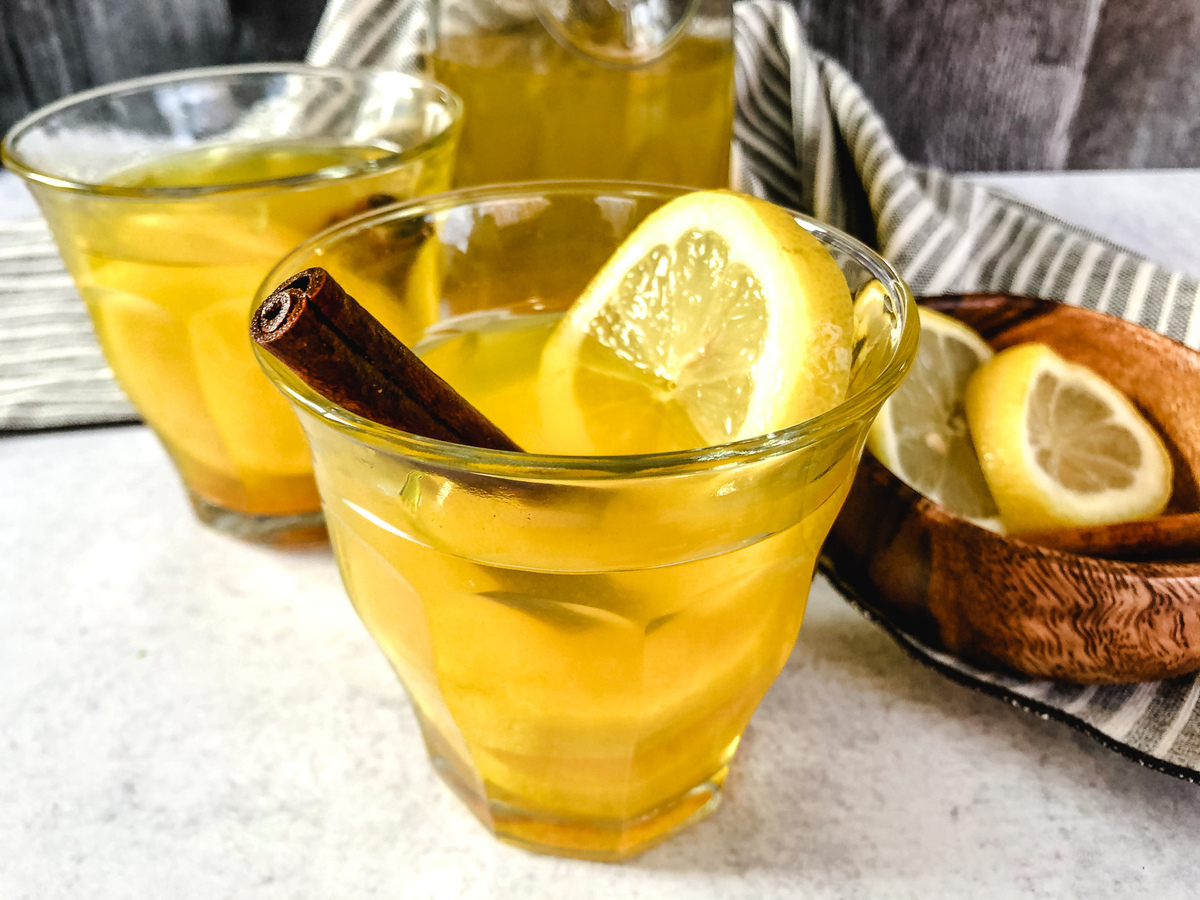
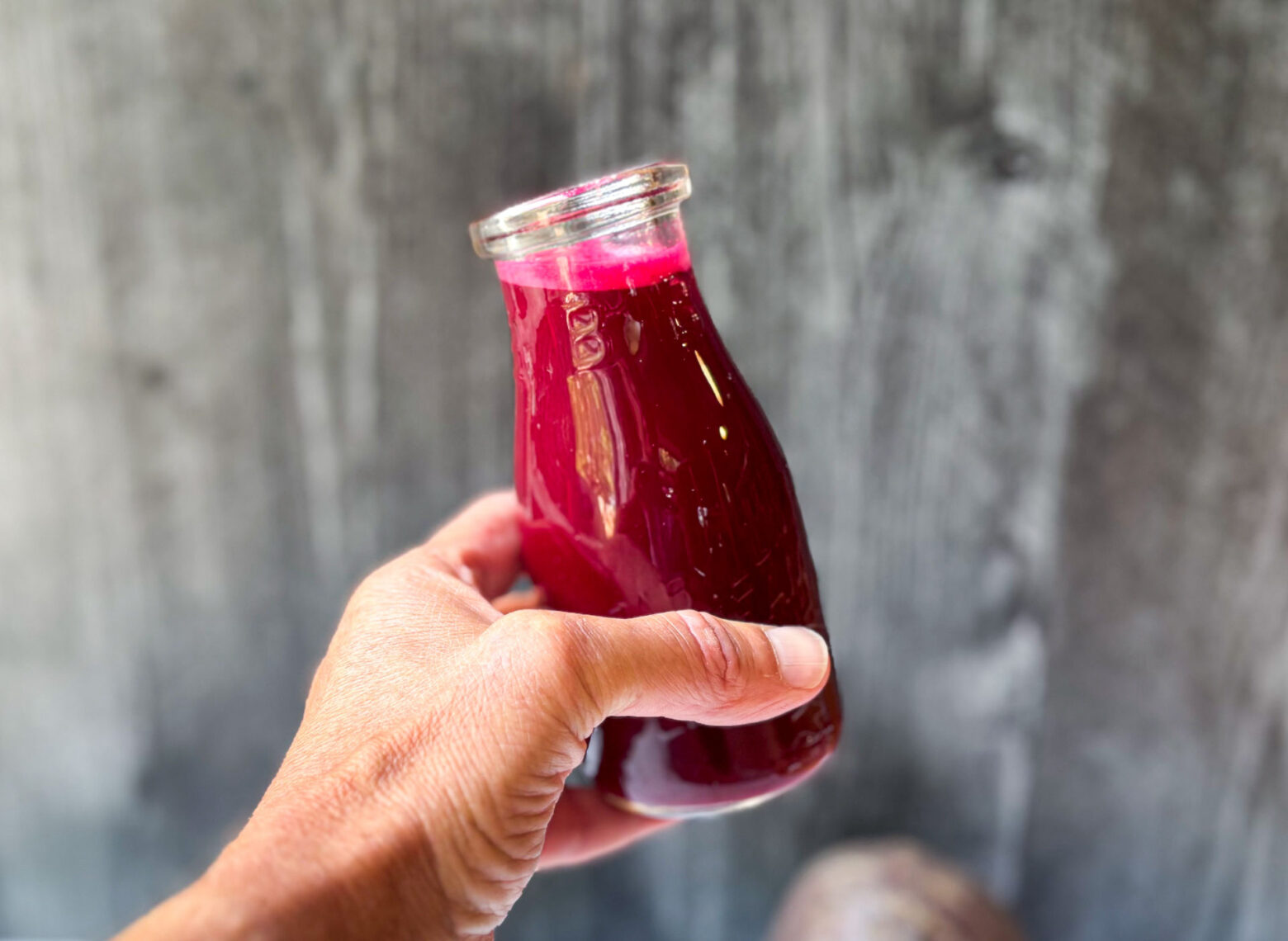
The root or root hairs are often the source of ginseng products. Though you can eat ginseng raw, it can be expensive to source on its own and is typically added as an ingredient to teas and supplements. It’s also important to note that in the U.S., picking wild American ginseng is illegal in many states due to overharvesting. If you manage to get your hands on fresh ginseng, consider blending or steeping it in the recipes below for added benefits.
Rosemary
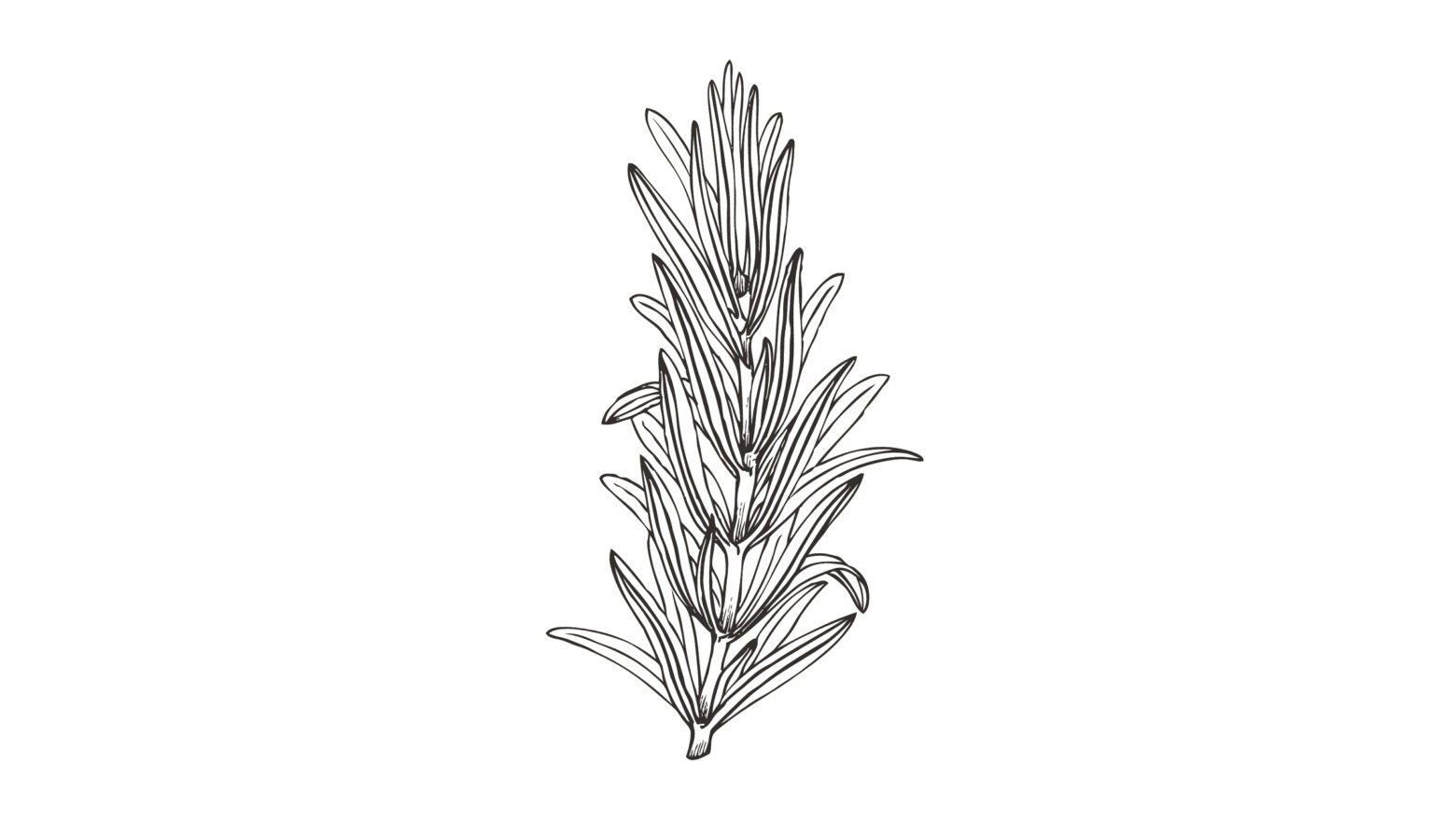
Rosemary is one of several classic, aromatic herbs used in cooking, but it’s more than just a flavor enhancer. In 2021, researchers found several in vivo studies that showed rosemary extract’s efficacy for reducing gastrointestinal inflammation, with potential to treat or prevent inflammatory bowel disease.24
Also, in an updated review of rosemary’s biological activity, the authors note that the number of studies supporting the anti-inflammatory effects of rosemary essential oil make it a potential candidate for helping to prevent other inflammatory diseases.25
If you do take rosemary oil, take care in the dosage. Too much may cause vomiting or skin irritation.26 Those who are pregnant should also avoid large doses of whole rosemary and rosemary oil.
Rosemary Culinary Uses
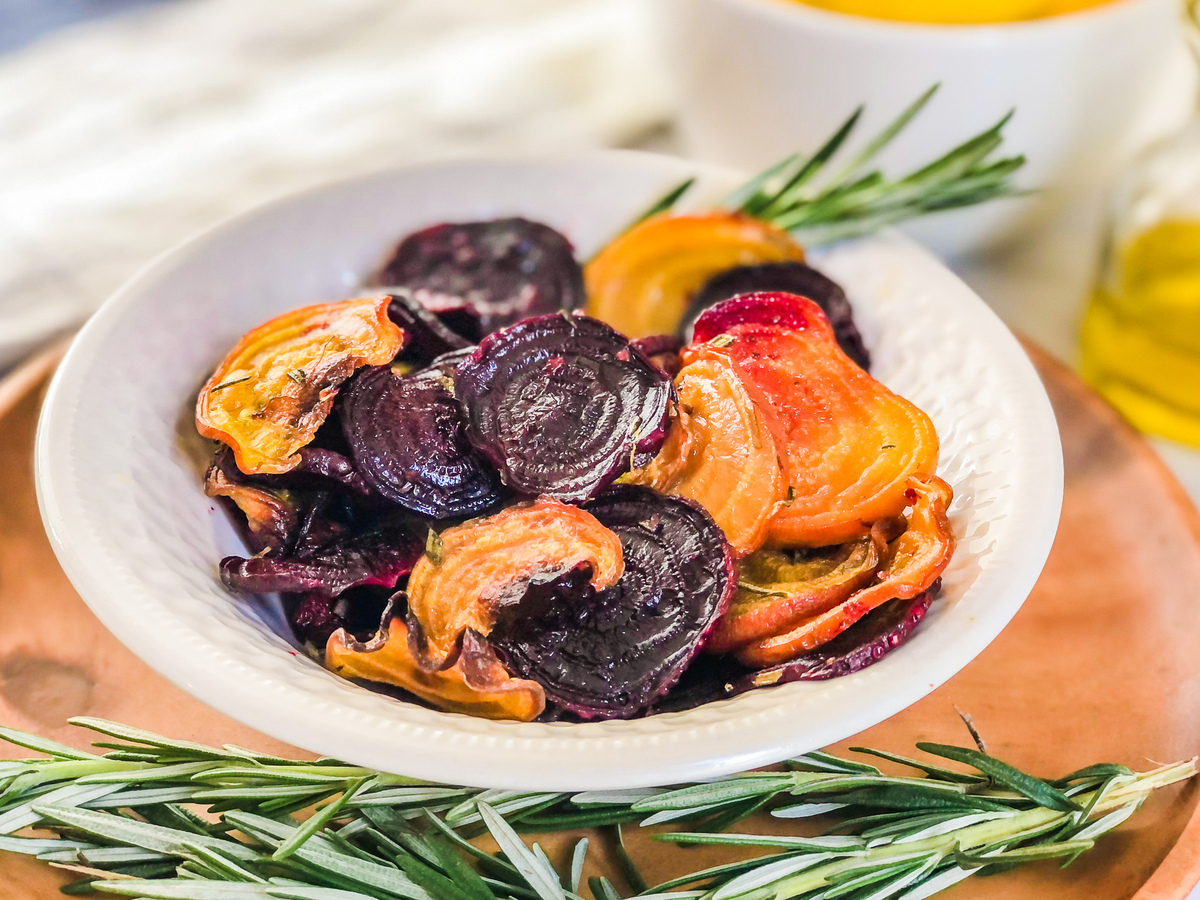
At The Paleo Diet, we recommend using whole rosemary in recipes, though culinary extracts or hydrosols can be made at home and added to dishes. The woody stems are tough and inedible, so always strip the leaves when adding rosemary directly to recipes. Sprigs may also be used whole when simmering or steeping, or as garnishes.
Thyme
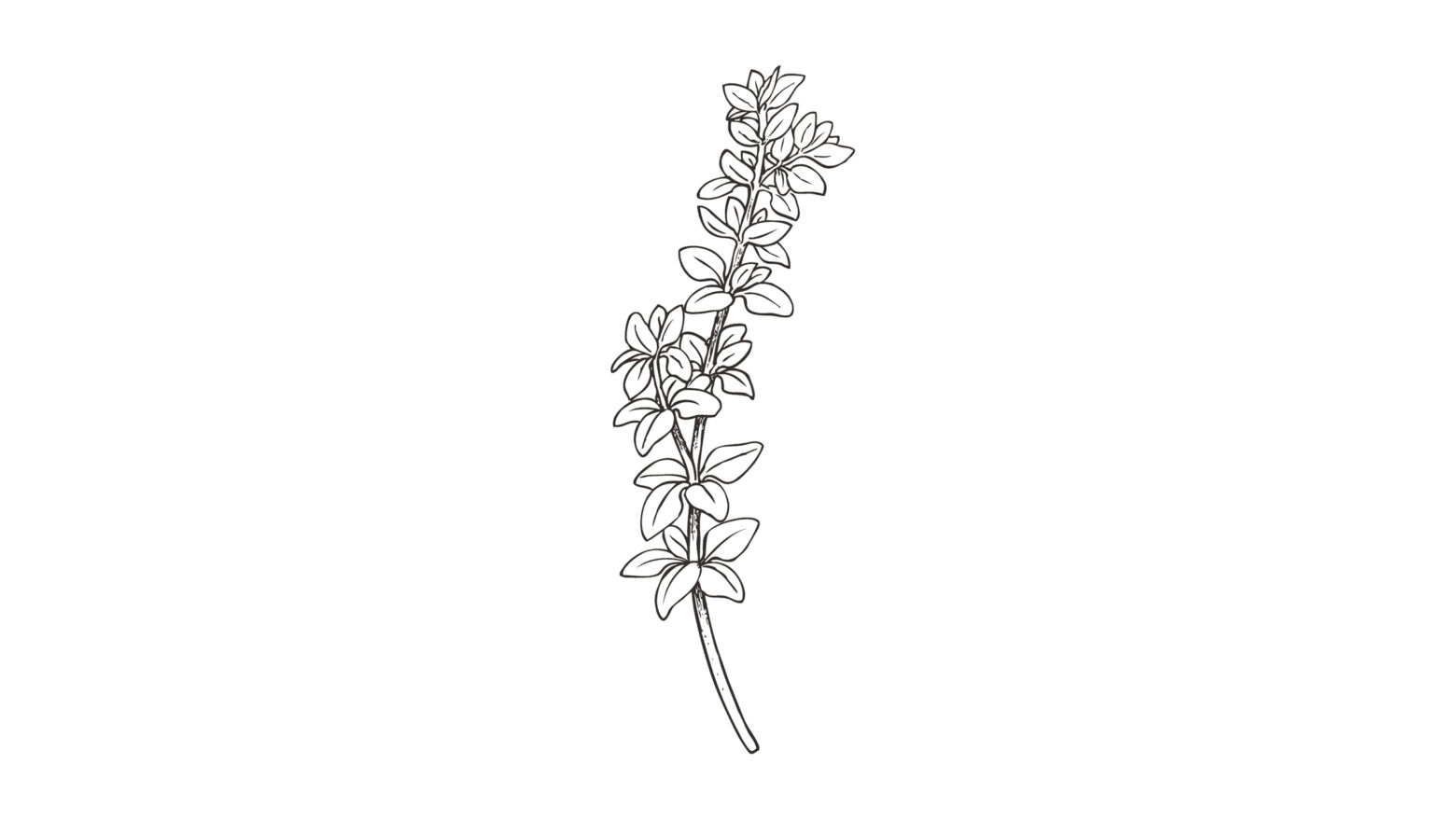
This is another classic herb you’ve likely had on your plate before that packs an anti-inflammatory punch. In in vivo models, thyme extract not only improved inflammatory biomarkers in subjects, but—like rosemary—it encouraged tissue recovery in damaged colons, proving its potential for managing inflammatory bowel conditions.27 One of its main components, a phenol called thymol, exhibits anti-inflammatory activities in addition to being antioxidant, antimicrobial, and antispasmodic.28
Thyme is generally considered safe when consumed in normal amounts. Those who are sensitive to thyme may experience allergic reaction or upset stomach.29
Thyme Culinary Uses
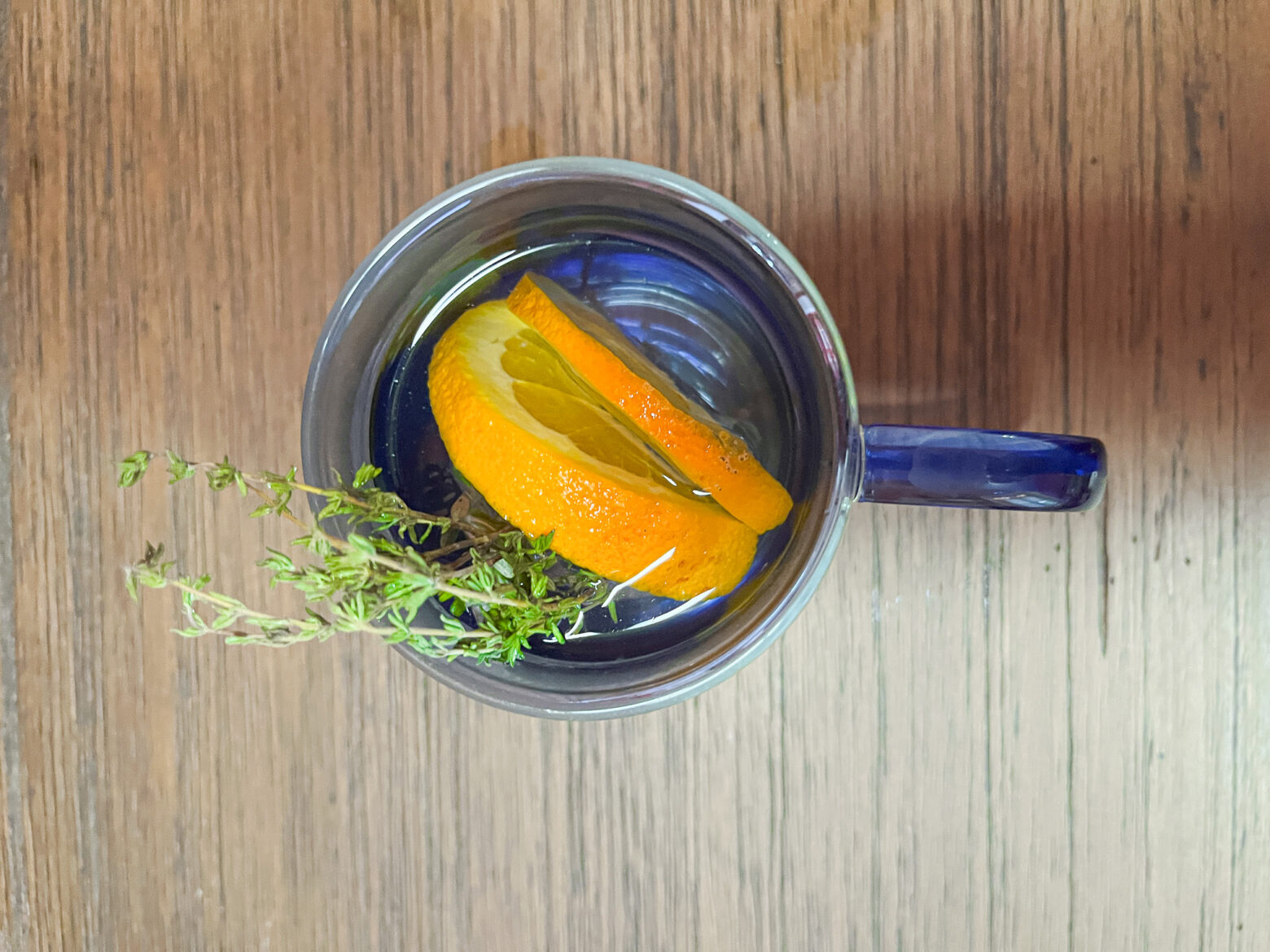
Thyme is a great herb for seasoning savory recipes. It can be added to dishes fresh with the leaves stripped of its stems, or in dried form. Thyme is easy to grow at home or dry yourself, so you can always have a ready supply.
Turmeric
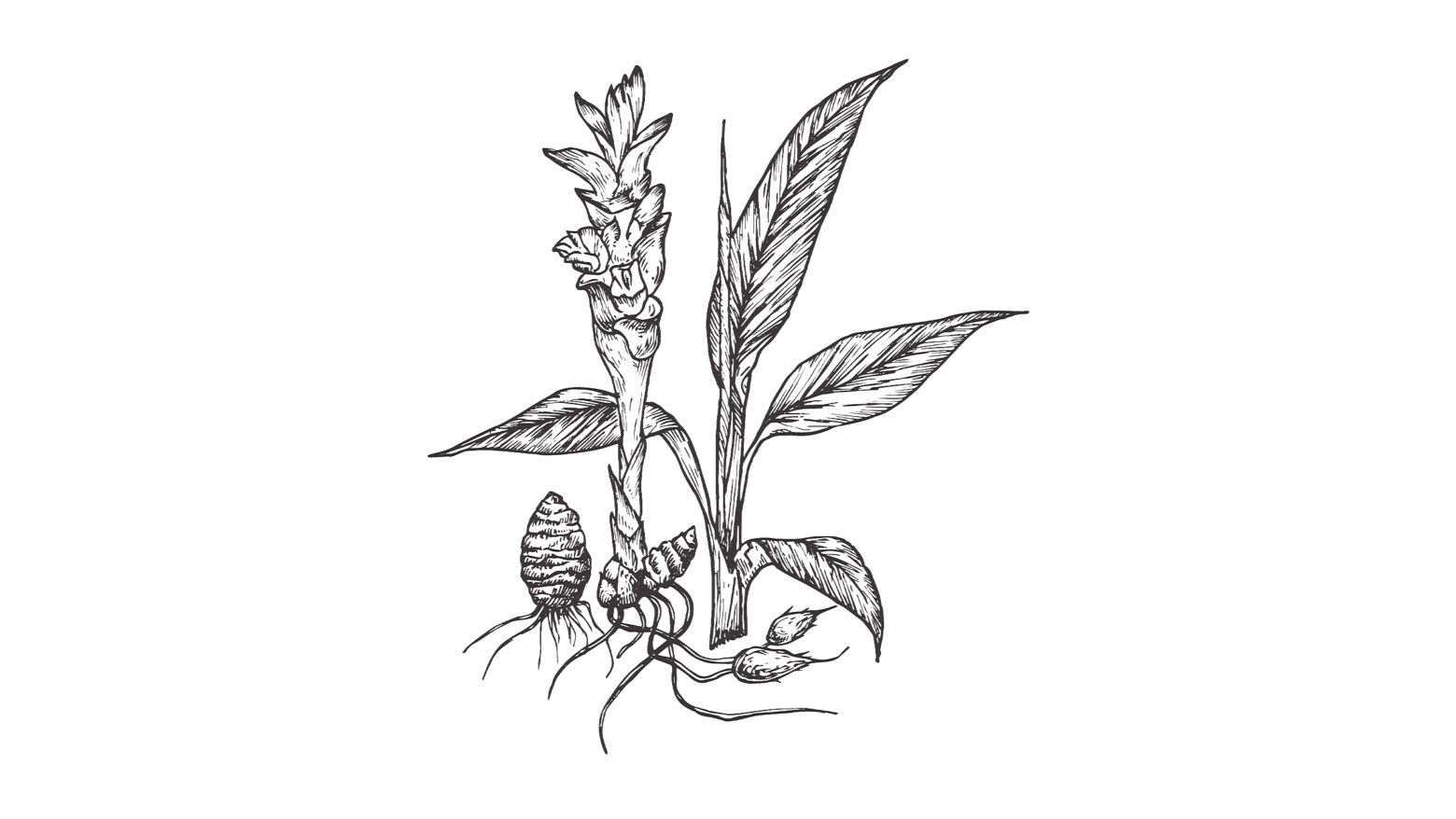
Turmeric is a powerhouse spice and likely one of the most researched foods on this list for its beneficial properties. The star component of turmeric is curcumin, a polyphenol with potential anti-inflammatory, antioxidant, antimicrobial, and anticancer effects.
RELATED: 5 Beneficial Fall Spices to Add to Your Diet
In a 2021 review, researchers noted a double-blind, randomized controlled trial that suggested curcumin improved hormonal profiles in patients with polycystic ovary syndrome due to its anti-inflammatory and antioxidant activity.30 A slew of other conditions have shown potential mitigation with curcumin consumption, including fatty liver disease, atherosclerosis (plaque buildup in the arteries), cancer, Alzheimer’s disease, osteo-muscular pain, and irritable bowel syndrome.30–32
But before you go dousing every meal in turmeric, beware of its precautions. Curcumin may be so potent an anti-inflammatory and antioxidant that it has the potential to accelerate exercise recovery for athletes, a process which is essential for training adaptation and performance.32 It may cause diarrhea if overconsumed and has several known medication interactions. Because of its effects on female hormones, pregnant women are not recommended to consume turmeric in large amounts.33
Turmeric Culinary Uses
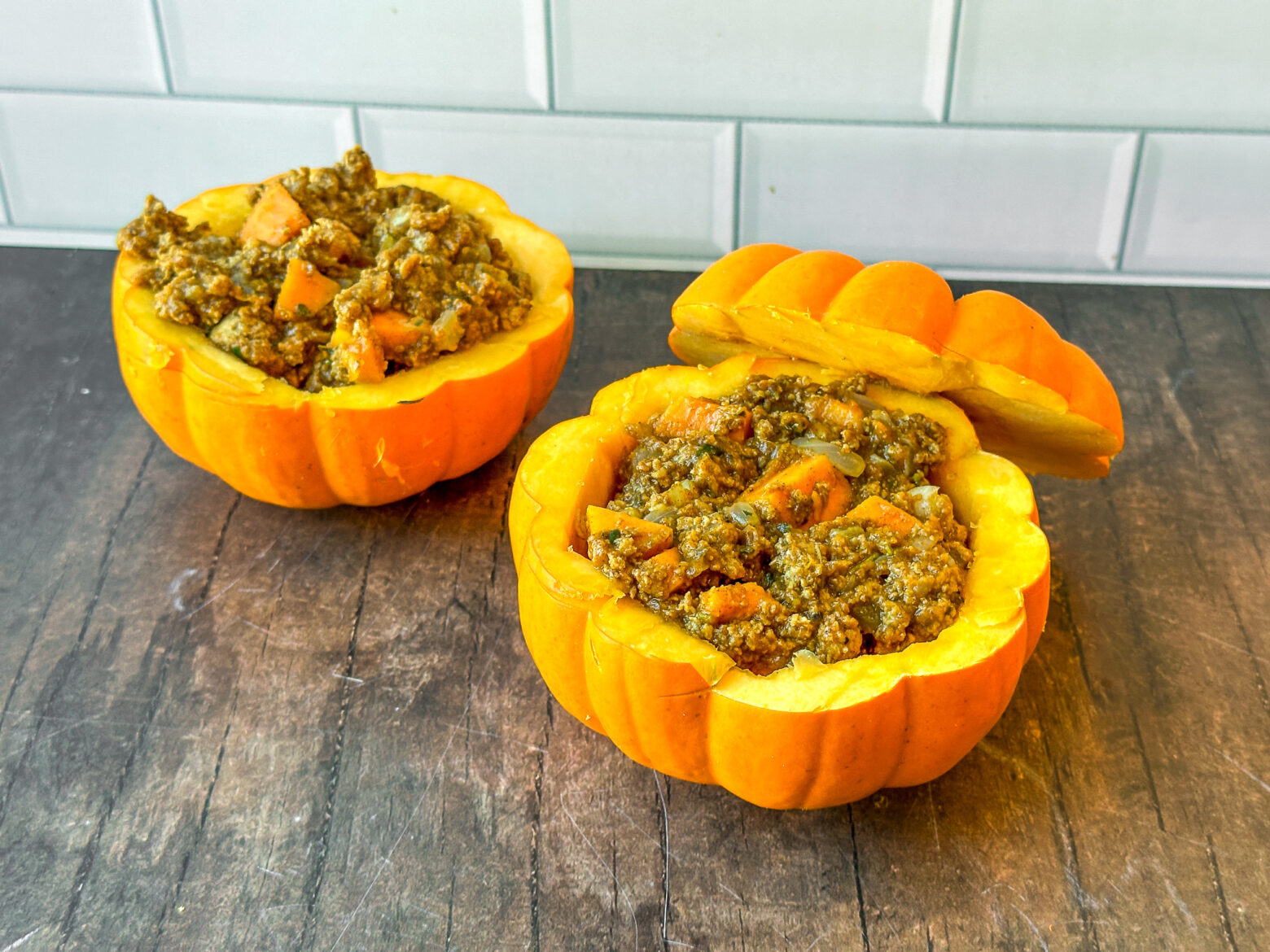
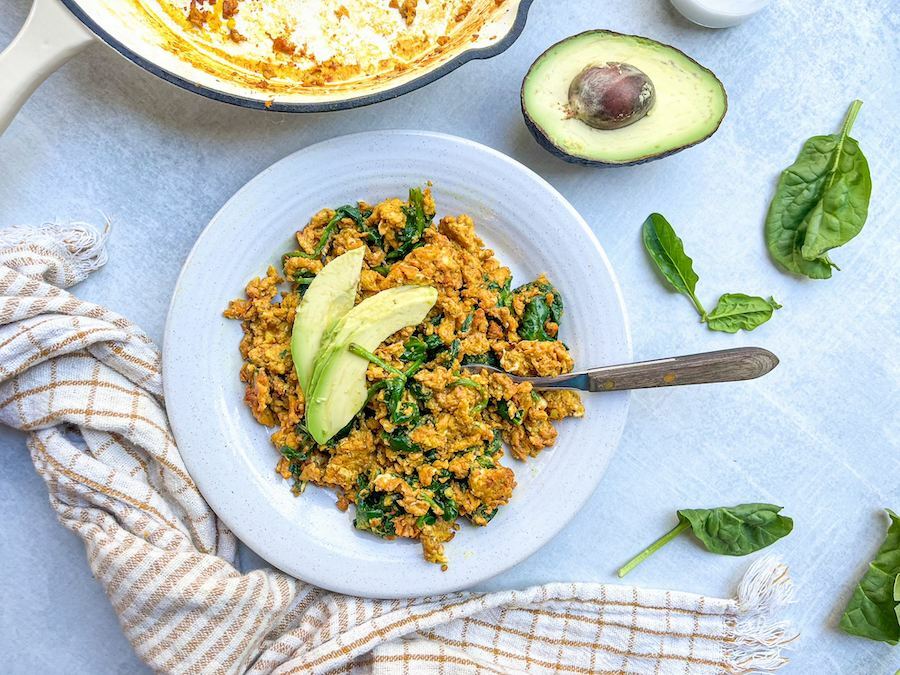
Like ginger, whole turmeric and its ground yellow spice form come from the rhizome of the plant. It has weak bioavailability unless it is consumed with black pepper or fats, so always make sure to include these ingredients when cooking with it. One simple way to add more turmeric into your diet is to make Paleo turmeric “butter”: a mix of turmeric, coconut oil, and pepper. Use it in place of dairy butter, cooking oil, or in savory sauces to impart more of its health benefits into your diet.
RELATED: Culinary Tips & Benefits of Turmeric
Anti-Inflammatory with a Caveat: St. John’s Wort
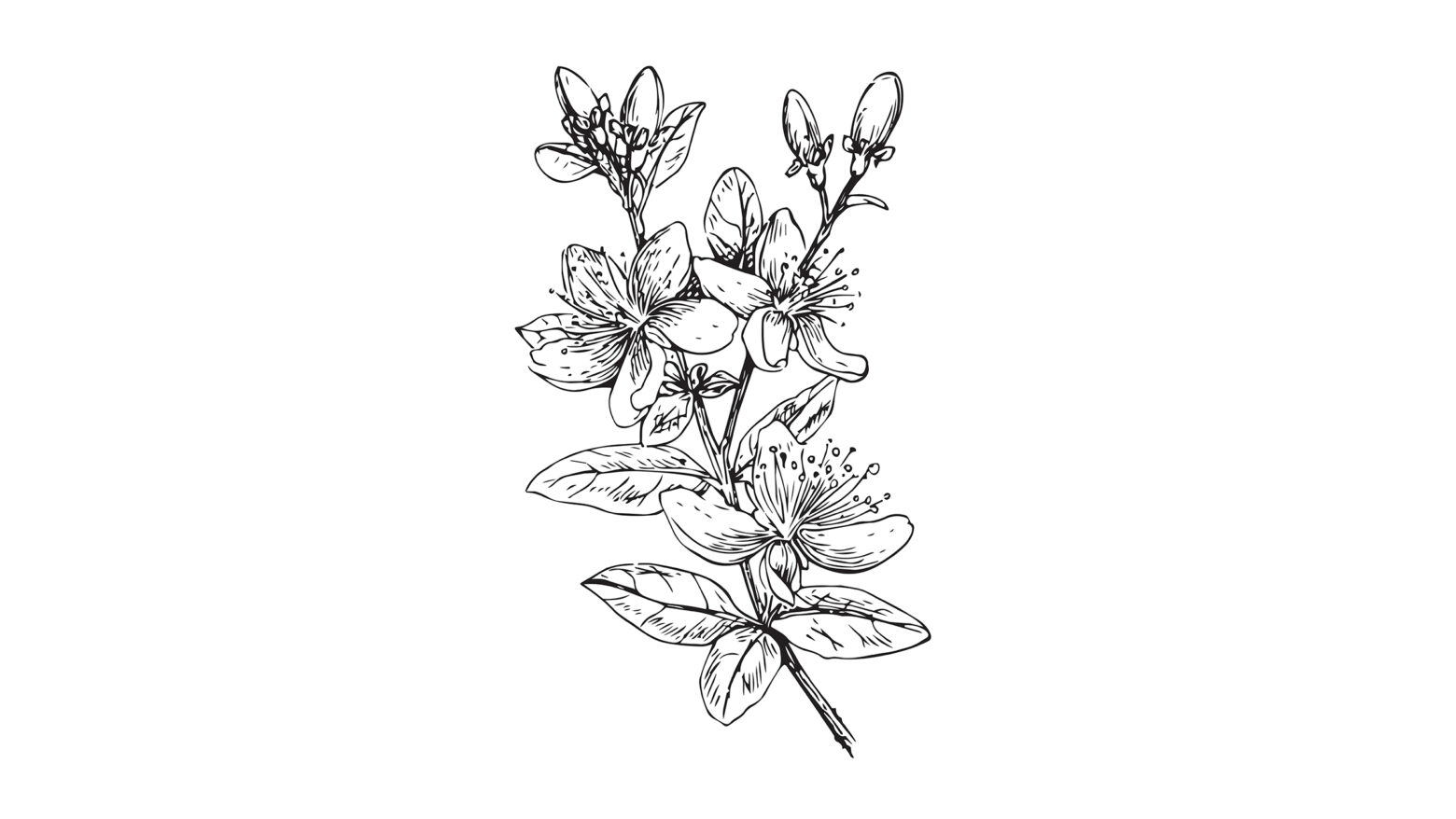
St. John’s wort is a flowering herb with a wealth of potential therapeutic benefits, especially from its main bioactive compounds, hyperforin and hypericin. A 2020 review posited that hyperforin may hinder inflammatory cytokines in conjunction with hypericin in obese and diabetic animal models.34 More recently, a 2025 study found hyperforin to have antidepressant, antibiotic, and antitumoral activity in vivo.35
However, St. John’s wort has a long list of potential drug interactions with serious side effects.36 Most notably, the antidepressant benefits of the herb can lead to life-threatening serotonin syndrome if taken with selective serotonin reuptake inhibitors.37,38 There is also one case study cautioning against the risk of psychosis when taking St. John’s wort,39 while another case study concluded that St. John’s wort may have a propensity to induce supraventricular tachycardia in individuals with otherwise healthy cardiovascular systems.40
When taking everything into consideration, we cannot endorse consuming St. John’s wort unless under the explicit direction of your healthcare provider—especially for those who are pregnant or breastfeeding. Only you and your doctor will be able to determine if taking this herb is right for you.
Using Anti-Inflammatory Herbs & Spices in Everyday Cooking
The natural world is a wealth of beneficial plants and nutrients, and these anti-inflammatory herbs and spices are just the tip of the iceberg. If you want to learn more about how to eat to manage inflammation, try our two-week Paleo Anti-Inflammatory Diet Meal Plan. Many of the recipes included use some of the ingredients mentioned here, such as cinnamon, cloves, fennel, ginger, rosemary, thyme, and turmeric. Or, if you’re curious to dive deeper into nutrient classifications, see our Guide to Antioxidant, Anti-Inflammatory, and Anti-Cancer Nutrients, which draws on the years of research for Paleo for Life.
Finally, choose your spices with care. We prefer organic when possible, and fresh herbs and spices will contain higher concentrations of nutrients than ones that have been sitting in the back of your spice cabinet for two years. Take stock of your inventory and re-up if you need to.
The work you do to take care of your body today can safeguard it later in life, so don’t skimp on the seasonings the next time you cook—they can help contribute to your longevity.
References
- Li, Z., Wang, Y., Xu, Q., Ma, J., Li, X., Yan, J., Tian, Y., Wen, Y., & Chen, T. (2023). Berberine and health outcomes: An umbrella review. Phytotherapy Research: PTR, 37(5), 2051–2066. https://doi.org/10.1002/ptr.7806
- Dehau, T., Cherlet, M., Croubels, S., Van De Vliet, M., Goossens, E., & Van Immerseel, F. (2023). Berberine-microbiota interplay: orchestrating gut health through modulation of the gut microbiota and metabolic transformation into bioactive metabolites. Frontiers in Pharmacology, 14. https://doi.org/10.3389/fphar.2023.1281090
- Berberine: Overview, Uses, Side Effects, Precautions, Interactions, Dosing and Reviews. (2015). Webmd.com. https://www.webmd.com/vitamins/ai/ingredientmono-1126/berberine#precautions
- Asghari, P., Babaei, A., Zamanian, N., & Eshtivani, E. N. -. (2025). Berberine’s impact on health: Comprehensive biological, pharmacological, and nutritional perspectives. Metabolism Open, 28, 100399. https://www.sciencedirect.com/science/article/pii/S2589936825000556
- Srivalli, K. M. R., & Lakshmi, P. K. (2012). Overview of P-glycoprotein inhibitors: a rational outlook. Brazilian Journal of Pharmaceutical Sciences, 48(3), 353–367. https://doi.org/10.1590/s1984-82502012000300002
- Pagliari, S., Forcella, M., Lonati, E., Sacco, G., Romaniello, F., Rovellini, P., Fusi, P., Palestini, P., Campone, L., Labra, M., Bulbarelli, A., & Bruni, I. (2023). Antioxidant and Anti-Inflammatory Effect of Cinnamon (Cinnamomum verum J. Presl) Bark Extract after In Vitro Digestion Simulation. Foods, 12(3), 452. https://doi.org/10.3390/foods12030452
- Zhu, C., Yan, H., Zheng, Y., Santos, H. O., Macit, M. S., & Zhao, K. (2020). Impact of Cinnamon Supplementation on cardiometabolic Biomarkers of Inflammation and Oxidative Stress: A Systematic Review and Meta-Analysis of Randomized Controlled Trials. Complementary Therapies in Medicine, 53, 102517. https://doi.org/10.1016/j.ctim.2020.102517
- Peng, J., Song, X., Yu, W., Pan, Y., Zhang, Y., Jian, H., & He, B. (2024). The role and mechanism of cinnamaldehyde in cancer. Journal of Food and Drug Analysis, 32(2), 146–160. https://doi.org/10.38212/2224-6614.3502
- Lončar, M., Jakovljević, M., Šubarić, D., Pavlić, M., Buzjak Služek, V., Cindrić, I., & Molnar, M. (2020). Coumarins in Food and Methods of Their Determination. Foods, 9(5), 645. https://doi.org/10.3390/foods9050645
- Kutbi, E. H., Sohouli, M. H., Fatahi, S., Lari, A., Shidfar, F., Aljhdali, M. M., Alhoshan, F. M., Elahi, S. S., Almusa, H. A., & Abu-Zaid, A. (2021). The beneficial effects of cinnamon among patients with metabolic diseases: A systematic review and dose-response meta-analysis of randomized-controlled trials. Critical Reviews in Food Science and Nutrition, 1–19. https://doi.org/10.1080/10408398.2021.1896473
- Clove | Description, History, & Uses. (n.d.). Encyclopedia Britannica. https://www.britannica.com/plant/clove
- Vicidomini, C., Roviello, V., & Roviello, G. N. (2021). Molecular Basis of the Therapeutical Potential of Clove (Syzygium aromaticum L.) and Clues to Its Anti-COVID-19 Utility. Molecules, 26(7), 1880. https://doi.org/10.3390/molecules26071880
- Nisar, M. F., Khadim, M., Rafiq, M., Chen, J., Yang, Y., & Wan, C. C. (2021). Pharmacological Properties and Health Benefits of Eugenol: A Comprehensive Review. Oxidative Medicine and Cellular Longevity, 2021, 1–14. https://doi.org/10.1155/2021/2497354
- MOHAMMADI NEJAD, S., ÖZGÜNEŞ, H., & BAŞARAN, N. (2017). Pharmacological and Toxicological Properties of Eugenol. Turkish Journal of Pharmaceutical Sciences, 14(2), 201–206. https://doi.org/10.4274/tjps.62207
- Lekhwar, C., Meghwal, M., & Giuffrè, A. M. (2025). Bioactive Compounds of Fennel Seeds: Their Current Status, Biofunctional Properties, Novel Processing Technologies, and Application. Current Nutrition & Food Science, 21. https://doi.org/10.2174/0115734013384523250905053835
- Bouchra El Moumen, Bouzoubaa, A., Aziz Drioiche, Eddahmouny, M., Omkulthom Al Kamaly, Abdelaaty Abdelaziz Shahat, Hanane Touijer, Hadi, N., Kharchouf, S., Cherrat, A., Kamal Fadili, Hajar El Ouadni, Bari, A., & Touriya Zair. (2025). Unveiling the Chemical Composition, Antioxidant, and Antimicrobial Potentials of Foeniculum vulgare Mill: A Combined In Vitro and In Silico Approach. International Journal of Molecular Sciences, 26(10), 4499–4499. https://doi.org/10.3390/ijms26104499
- Afifi, S. M., El-Mahis, A., Heiss, A. G., & Farag, M. A. (2021). Gas Chromatography–Mass Spectrometry-Based Classification of 12 Fennel (Foeniculum vulgare Miller) Varieties Based on Their Aroma Profiles and Estragole Levels as Analyzed Using Chemometric Tools. ACS Omega, 6(8), 5775–5785. https://doi.org/10.1021/acsomega.0c06188
- Anh, N. H., Kim, S. J., Long, N. P., Min, J. E., Yoon, Y. C., Lee, E. G., Kim, M., Kim, T. J., Yang, Y. Y., Son, E. Y., Yoon, S. J., Diem, N. C., Kim, H. M., & Kwon, S. W. (2020). Ginger on Human Health: A Comprehensive Systematic Review of 109 Randomized Controlled Trials. Nutrients, 12(1), 157. https://pmc.ncbi.nlm.nih.gov/articles/PMC7019938/
- Crichton, M., Davidson, A. R., Innerarity, C., Marx, W., Lohning, A., Isenring, E., & Marshall, S. (2022). Orally consumed ginger and human health: an umbrella review. The American Journal of Clinical Nutrition, 115(6). https://doi.org/10.1093/ajcn/nqac035
- WebMD. (2009). Ginger: Uses, Side Effects, Interactions, Dosage, and Warning. Webmd.com. https://www.webmd.com/vitamins/ai/ingredientmono-961/ginger
- Syed Sayeed Ahmad, Ahmad, K., Ye Chan Hwang, Eun Ju Lee, & Choi, I. (2023). Therapeutic Applications of Ginseng Natural Compounds for Health Management. International Journal of Molecular Sciences (Online), 24(24), 17290–17290. https://doi.org/10.3390/ijms242417290
- Li, Z., Wang, Y., Xu, Q., Ma, J., Li, X., Tian, Y., Wen, Y., & Chen, T. (2023). Ginseng and health outcomes: an umbrella review. Frontiers in Pharmacology, 14. https://doi.org/10.3389/fphar.2023.1069268
- R. Morgan Griffin. (2008, April 15). Ginseng Supplements. WebMD; WebMD. https://www.webmd.com/diet/supplement-guide-ginseng
- Veenstra, J. P., & Johnson, J. J. (2021). Rosemary (Salvia rosmarinus): Health-promoting benefits and food preservative properties. International Journal of Nutrition, 6(4), 1. https://pmc.ncbi.nlm.nih.gov/articles/PMC8513767/
- Andrade, J. M., Faustino, C., Garcia, C., Ladeiras, D., Reis, C. P., & Rijo, P. (2018). Rosmarinus officinalis L.: an update review of its phytochemistry and biological activity. Future Science OA, 4(4), FSO283. https://doi.org/10.4155/fsoa-2017-0124
- ROSEMARY: Overview, Uses, Side Effects, Precautions, Interactions, Dosing and Reviews. (2021). Webmd.com. https://www.webmd.com/vitamins/ai/ingredientmono-154/rosemary#precautions
- Jalil, B., Pischel, I., Feistel, B., Suarez, C., Blainski, A., Spreemann, R., Roth-Ehrang, R., & Heinrich, M. (2024). Wild thyme (Thymus serpyllum L.): a review of the current evidence of nutritional and preventive health benefits*. Frontiers in Nutrition, 11. https://doi.org/10.3389/fnut.2024.1380962
- Salehi, B., Mishra, A. P., Shukla, I., Sharifi-Rad, M., Contreras, M. del M., Segura-Carretero, A., Fathi, H., Nasrabadi, N. N., Kobarfard, F., & Sharifi-Rad, J. (2018). Thymol, thyme, and other plant sources: Health and potential uses. Phytotherapy Research, 32(9), 1688–1706. https://doi.org/10.1002/ptr.6109
- Thyme: Overview, Uses, Side Effects, Precautions, Interactions, Dosing and Reviews. (2016). Webmd.com. https://www.webmd.com/vitamins/ai/ingredientmono-823/thyme#precautions
- Jabczyk, M., Nowak, J., Hudzik, B., & Zubelewicz-Szkodzińska, B. (2021). Curcumin in Metabolic Health and Disease. Nutrients, 13(12), 4440. https://doi.org/10.3390/nu13124440
- Porro, C., & Panaro, M. A. (2023). Recent Progress in Understanding the Health Benefits of Curcumin. Molecules, 28(5), 2418. https://doi.org/10.3390/molecules28052418
- El-Saadony, M. T., Yang, T., Korma, S. A., Sitohy, M., Abd El-Mageed, T. A., Selim, S., Al Jaouni, S. K., Salem, H. M., Mahmmod, Y., Soliman, S. M., Mo’men, S. A. A., Mosa, W. F. A., El-Wafai, N. A., Abou-Aly, H. E., Sitohy, B., Abd El-Hack, M. E., El-Tarabily, K. A., & Saad, A. M. (2023). Impacts of turmeric and its principal bioactive curcumin on human health: Pharmaceutical, medicinal, and food applications: A comprehensive review. Frontiers in Nutrition, 9. https://doi.org/10.3389/fnut.2022.1040259
- TURMERIC: Overview, Uses, Side Effects, Precautions, Interactions, Dosing and Reviews. (2022). Webmd.com. https://www.webmd.com/vitamins/ai/ingredientmono-662/turmeric#precautions
- Novelli, M., Masiello, P., Beffy, P., & Menegazzi, M. (2020). Protective Role of St. John’s Wort and Its Components Hyperforin and Hypericin against Diabetes through Inhibition of Inflammatory Signaling: Evidence from In Vitro and In Vivo Studies. International Journal of Molecular Sciences, 21(21), 8108. https://doi.org/10.3390/ijms21218108
- Tahiri, A., Damani, Z., & Topi, D. (2025). Quantitative Profiling of Phenolic Constituents in Hypericum perforatum L. via HPLC–PDA and HPLC–ECD: A Chemometric Approach. Molecules, 30(19), 3854. https://doi.org/10.3390/molecules30193854
- Mayo Clinic Staff. (2023, August 10). St. John’s wort. Mayo Clinic. https://www.mayoclinic.org/drugs-supplements-st-johns-wort/art-20362212
- Zheng, Y., & Cui, Y. (2016). A meta-analysis on the efficacy and safety of St John’s wort extract in depression therapy in comparison with selective serotonin reuptake inhibitors in adults. Neuropsychiatric Disease and Treatment, Volume 12, 1715–1723. https://doi.org/10.2147/ndt.s106752
- Maldonado-Puebla, R. A., Choudhury, N., & Carr, B. (2025). The Effects of St. John’s Wort and its Interactions with SSRI’s. European Psychiatry, 68(S1), S1031–S1031. https://doi.org/10.1192/j.eurpsy.2025.2087
- Ferrara, M., Mungai, F., & Starace, F. (2017). St John’s wort (Hypericum perforatum)-induced psychosis: a case report. Journal of Medical Case Reports, 11(1). https://doi.org/10.1186/s13256-017-1302-7
- Fisher, K. A., Patel, P., Abualula, S., & Concepion, L. (2021). St. John’s Wort-induced supraventricular tachycardia. Cureus, 13(4). https://doi.org/10.7759/cureus.14356
Andrea Dehnke
Andrea is the Content Manager at The Paleo Diet and has experience working with several health and nutrition publications.
More About The Author
Inflammation


The Paleo Diet® Newsletter
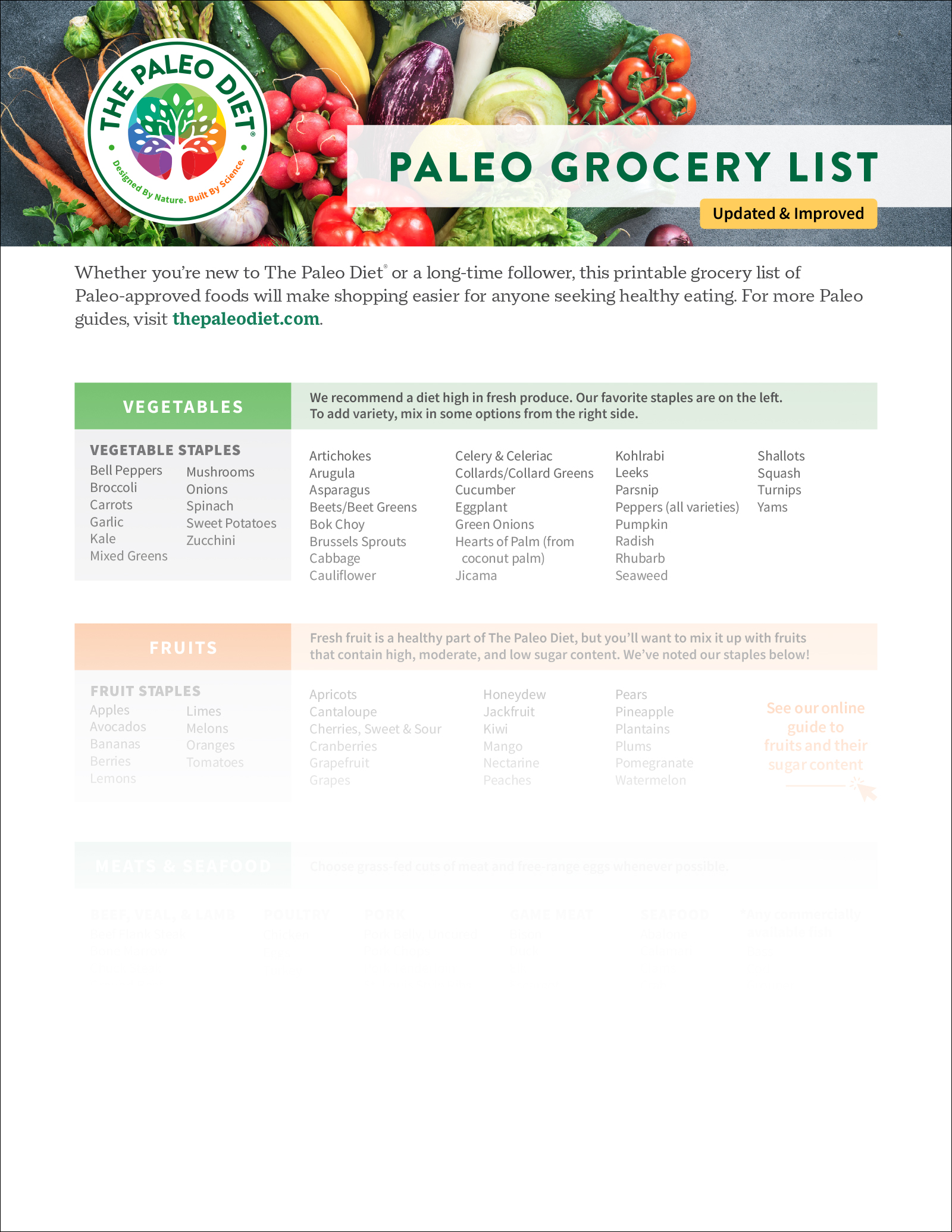
Sign up to get info on healthy nutrition, free recipes, meal prepping, and the latest health research. New subscribers will also receive our Official Paleo Grocery List!
