How to Cook with Different Types of Steak Cuts
Walking into a butcher shop can feel intimidating. Brisk air hits your skin, a metallic scent lingers, and unfamiliar slabs of meat sit behind the glass case. It’s enough to make anyone want to get in and out as quickly as possible.
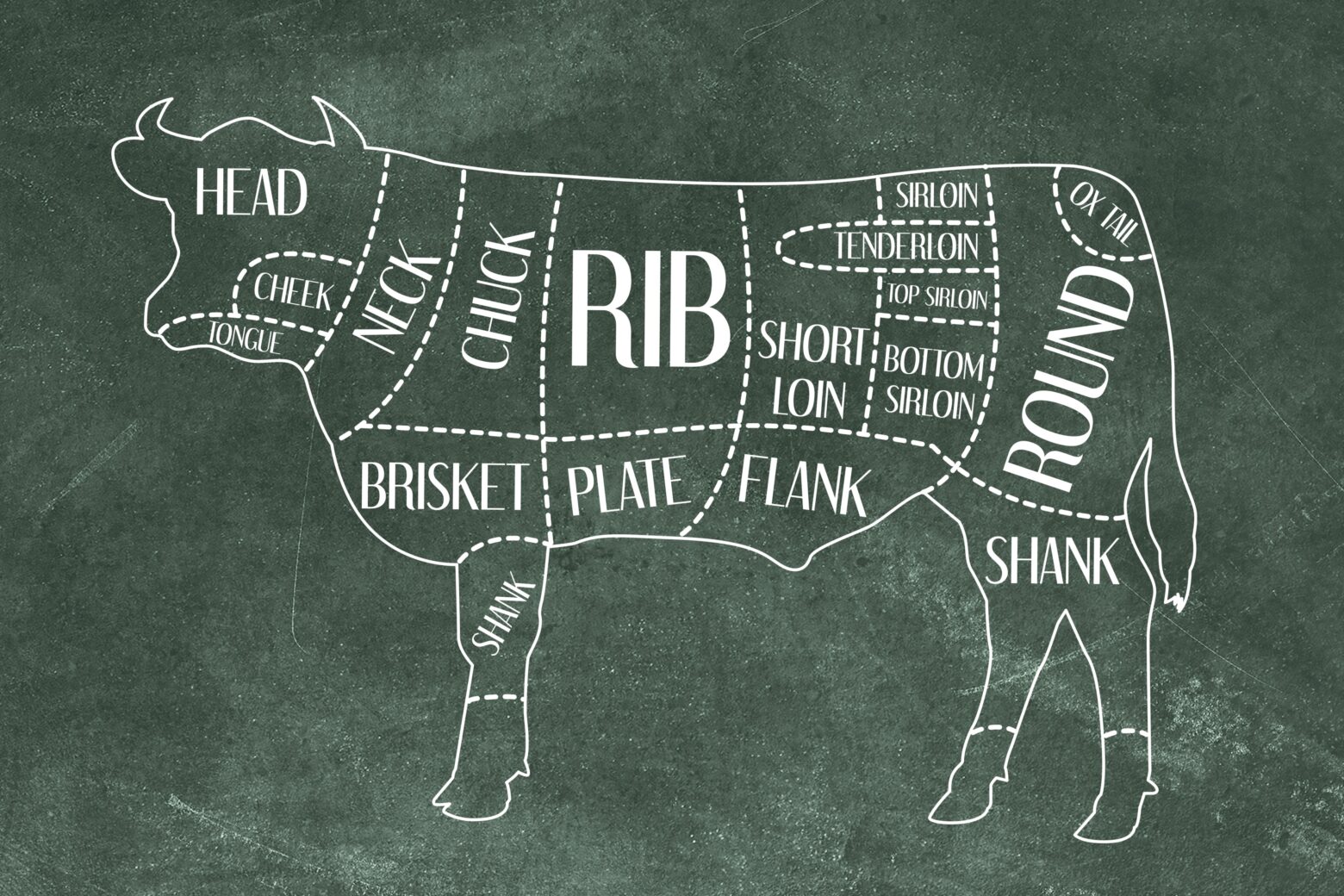
Let us be your guide to help you make an informed choice the next time you walk up to the butcher counter. In this article, you will find a breakdown of six of the more popular types of steak cuts, from what part of the animal they’re from to the best cooking methods for each.
Factors Affecting Steak Cuts
Steak cuts are a specific portion of meat taken from a particular part of a cow. Each cut comes from a different muscle group, and its location on the animal plays a major role in flavor, texture, fat content, and nutritional profile.
The average price depends on how much meat the animal yields for each cut and the quality of meat. To help you plan your meals for your budget, we’ve broken down each steak cut into three cost ranges: 1
- Inexpensive (up to $15/pound)
- Moderate ($15-$25/pound)
- Expensive (over $25/pound)
The fat content can also affect the meat’s flavor and texture, which we’ve noted for each cut below. The USDA defines different types of steak as follows: 2
- Lean steak cuts have less than 10 grams of fat, 4.5 grams or less of saturated fat, and less than 95 milligrams of cholesterol per 100 grams of beef. Anything above this is considered a fatty cut of steak.
- Extra-lean steak cuts have less than 5 grams of fat, less than 2 grams of saturated fat, and less than 95 milligrams of cholesterol.
Most Popular Steak Cuts
Below, we break down the following cuts: flank, chuck roast, ribeye, sirloin, strip, and filet mignon. For each, we explain where it comes from on the cow, whether it’s lean or fatty, the best cooking techniques, and how the cost reflects these characteristics.
Flank Steak
Cut: Lean
Cost: Inexpensive
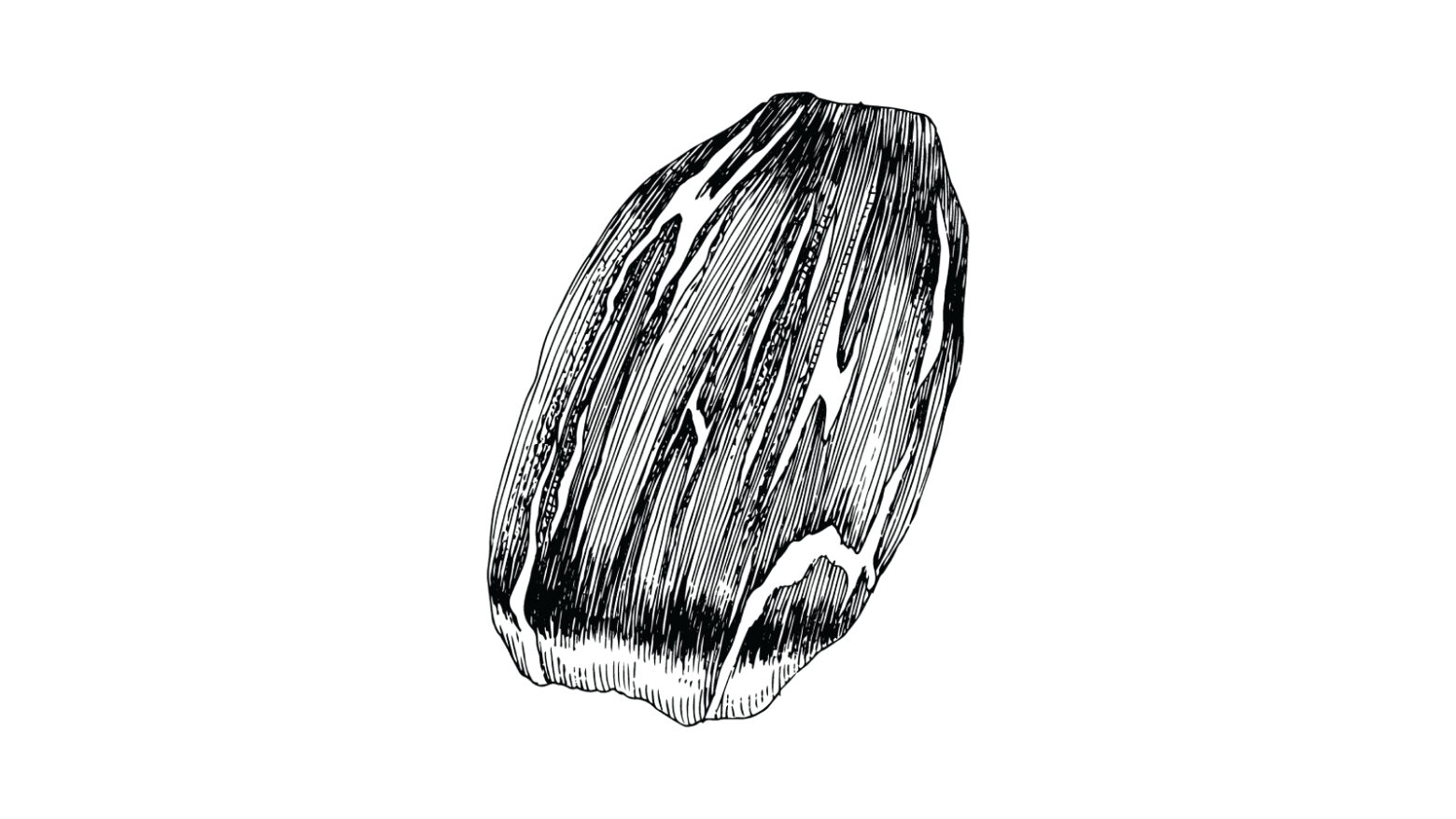
Flank comes from the abdominal area of the cow, located beneath the loin toward the lower belly, where there’s more muscle.3 It is lowest in price per pound compared to the other steak cuts listed, and it’s often eaten in larger portions due to its leaner nutritional profile.
How to Cook Flank Steak
Flank steak is best suited for grilling, braising, or broiling. When preparing, always slice against the grain. Because of its naturally chewy texture, cutting in thin strips against the grain helps break down the long muscle fibers and makes the steak more tender.3
Discover Paleo recipes that highlight flank steak at its best:
Chuck Roast
Cut: Fatty
Cost: Inexpensive
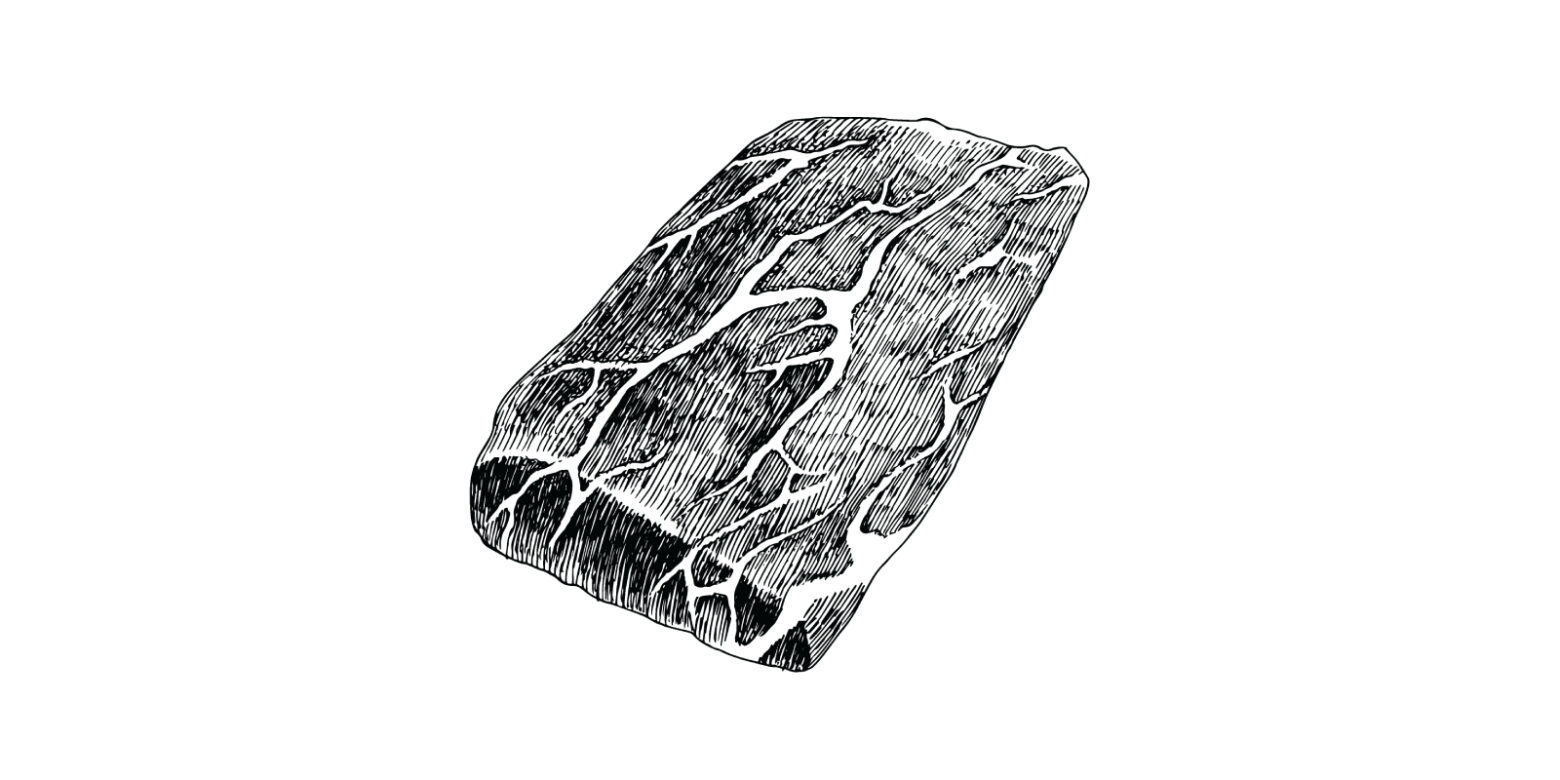
Chuck roast comes from the ample shoulder area of the cow, which is a fattier section of muscle.3 The cost is low because it is one of the larger cuts from the animal. If cooked too fast, the texture will quickly become tough and chewy, but it makes for a budget-friendly option to add to soups and stews.
How to Cook Chuck Roast
Chuck roast is best cooked slowly to help break down the fats and make the texture more tender. Not to mention, it allows the meat to absorb the flavors of whatever it’s cooked with, adding depth and richness to the dish.
Discover Paleo recipes that highlight chuck roast at its best:
Ribeye
Cut: Fatty
Cost: Moderate
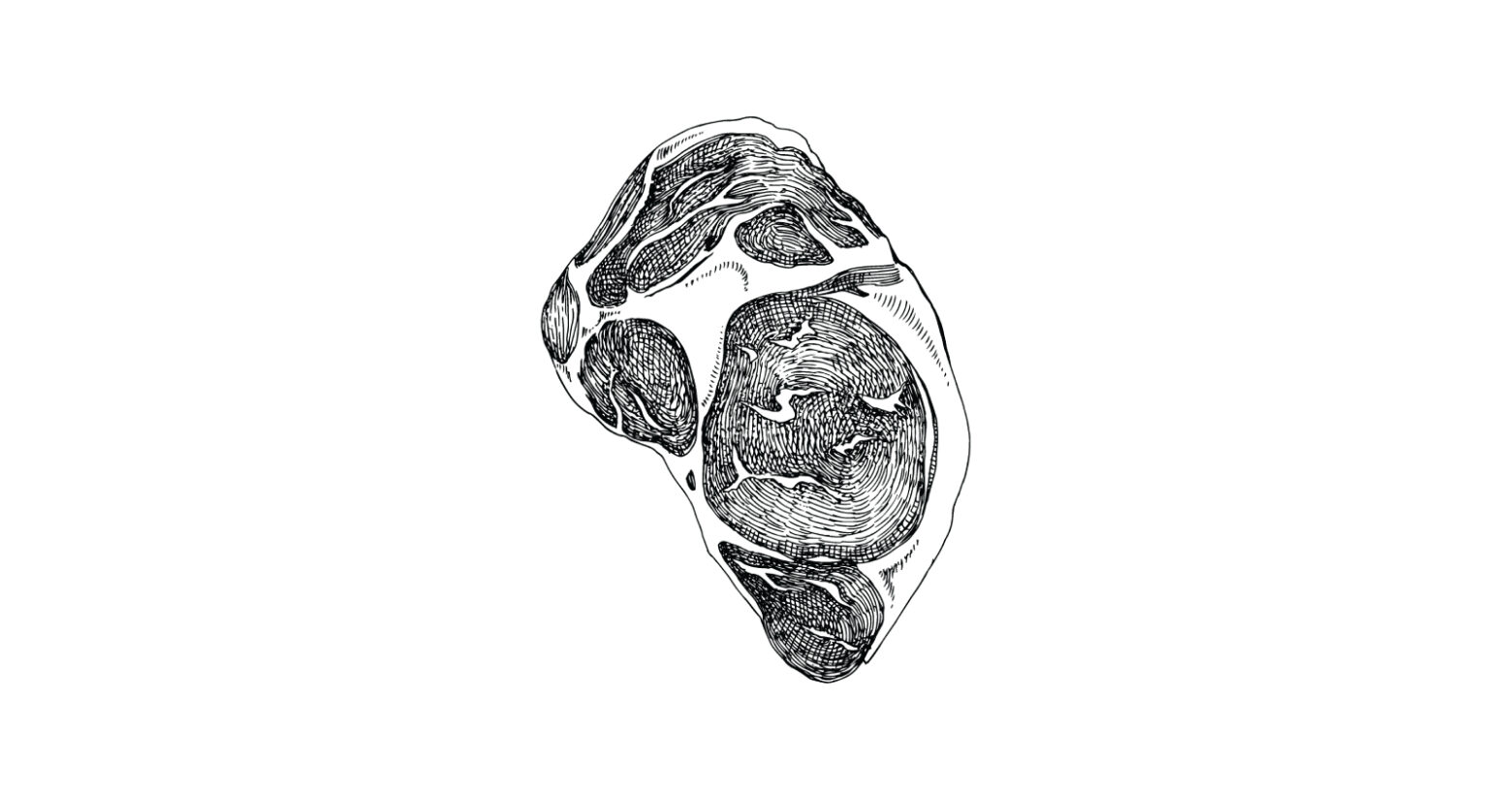
Ribeye is known to have great marbling and a bold, buttery flavor. It comes from the front rib section of the cow under the backbone. A popular variation of the ribeye is the tomahawk cut that includes a long rib bone, giving it a distinctive ax-like appearance.3
Although ribeyes have a lot of fat marbling, the fat is intramuscular, meaning it melts into the meat as it cooks and softens at lower temperatures, creating the rich, buttery flavor ribeye is known for.4 Ribeye is a highly sought-after cut, which is why it tends to be more costly, due to its intense flavor and rich marbling.
How to Cook Ribeye
Ribeye can be cooked in a variety of ways, but it’s best seared in a skillet first, then finished on the grill or in the oven. Searing creates a crisp, flavorful crust on the outside while keeping the inside juicy and buttery.
Try ribeye with this French Onion Steak recipe, which sears the steak before simmering in a mushroom-onion sauce.
Sirloin
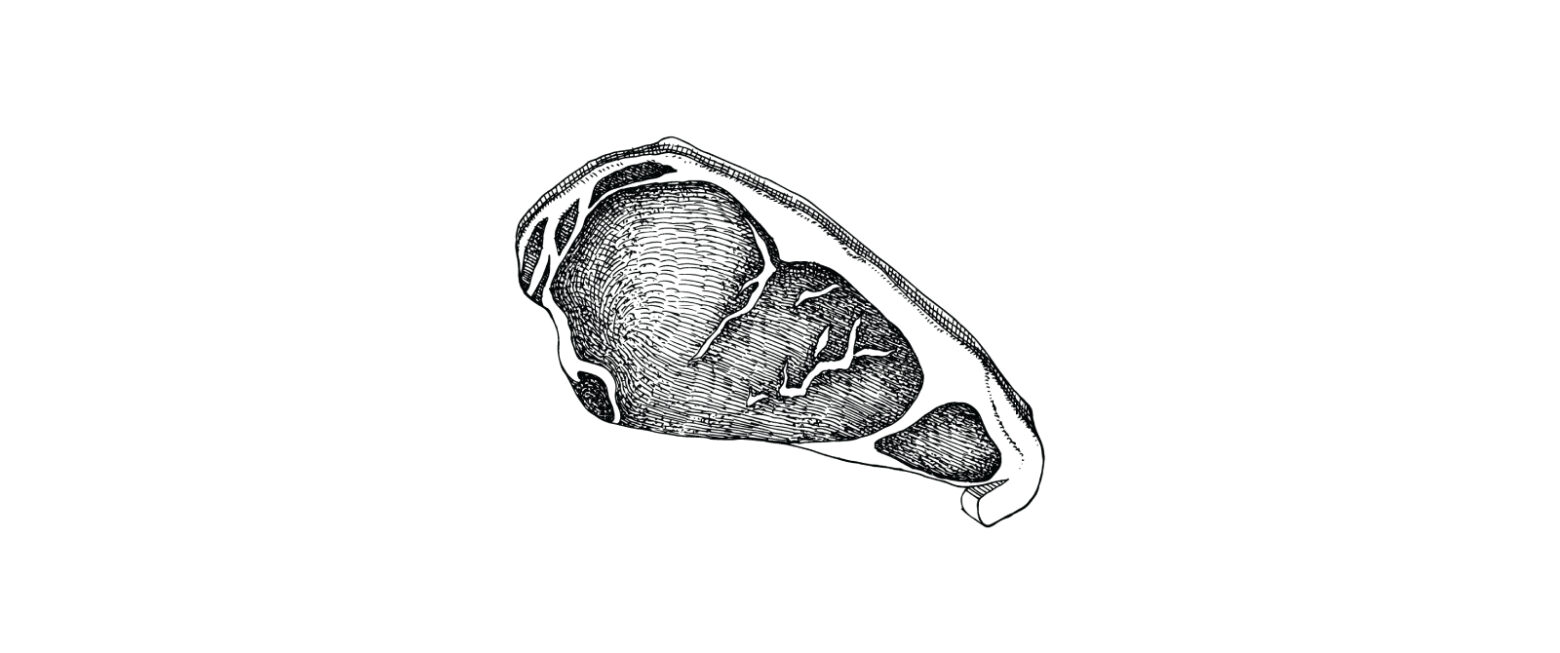
Cut: Lean
Cost: Moderate
Sirloin steak is an extremely lean steak cut. It’s located toward the rear of the cow, and is separated into two sections: top and bottom sirloin.3 Of all the steak cuts listed here, this is the leanest. Due to its popularity, sirloin steaks are moderately expensive.
How to Cook Sirloin
Sirloin steaks are best cooked in a cast-iron pan or skillet, as their lower fat content allows them to cook quickly and develop a flavorful sear. Be sure to sear them with an oil with a high smoke point (or beef tallow) to ensure that it does not burn.
RELATED: Which Cooking Oils are Healthiest and Paleo?
Discover Paleo recipes that highlight sirloin steak at its best:
Strip
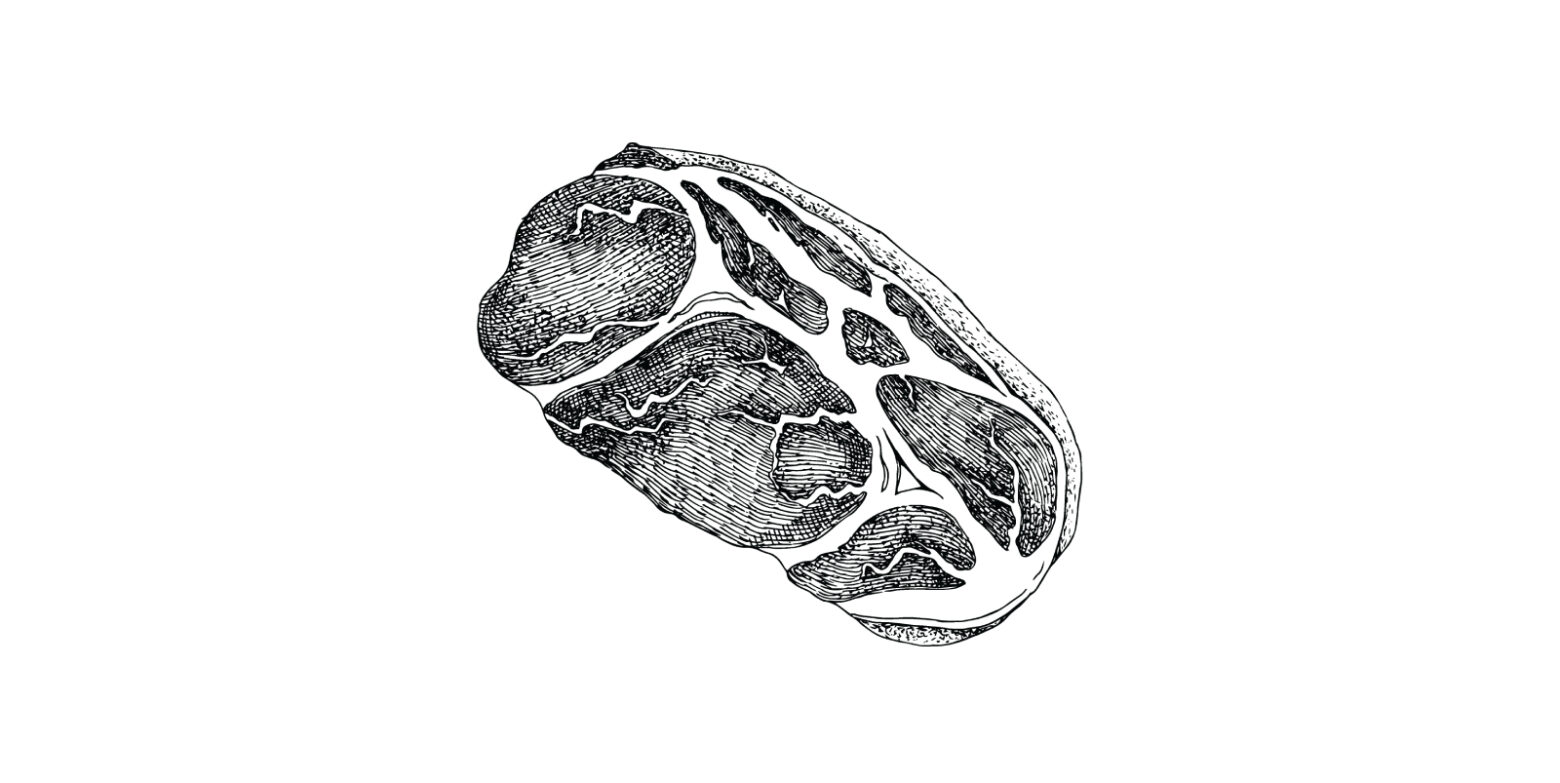
Cut: Fatty
Cost: Moderate
Strip or New York Strip steak is located between the rib and the sirloin in an area of the cow called the loin.3 This area of the cow produces some of the most tender and popular cuts of steak.
The loin is generally higher in fat because it contains muscles that are used less frequently. Within the loin, some sections are fattier than others.5 Due to their popularity, strip steaks tend to be on the more expensive side.
How to Cook Strip Steaks
New York strip steaks are best seared in a cast-iron skillet, then finished in the oven or cooked through on the stovetop to reach desired doneness.
Try strip steak sliced in a Paleo breakfast burrito with arugula microgreen chimichurri and tangy cauliflower crumbles, held together with a grain-free egg wrap.
Filet Mignon

Cut: Lean
Cost: Expensive
Filet mignon is known as the most expensive and highly sought-after steak cut, prized for its tenderness and juiciness. This cut is also from the loin area below the backbone and in between the rib and the sirloin.3
Unlike the strip, this type of steak comes directly from the end of the tenderloin, which is a muscle that is rarely used and has little connective tissue and fat (hence, tender-loin). Because the yield for this cut is so small per animal, the filet mignon is one of the most expensive cuts.
How to Cook Filet Mignon
Filet mignon is best seared in a skillet and cooked to a medium rare temperature. It also lends itself well to sous vides.3
Try filet mignon rubbed with freshly ground peppercorns and topped with gremolata or sauteed mushrooms.
What Is the Healthiest Steak Cut?
Here is a nutritional breakdown of the different types of steak from above, per pound of meat:
| Cut | Protein | Iron | Cholesterol | Unsaturated Fats | Saturated Fats |
| Flank6 | 20.1 g | 1.83 mg | 58 mg | 3.90 g | 3.55 g |
| Chuck Roast7 | 18.4 g | 2.06 mg | 67 mg | 7.58 g | 6.34 g |
| Ribeye8 | 18.7 g | 1.64 mg | 63 mg | 3.90 g | 3.55 g |
| Sirloin9 | 22.0 g | 2.22 mg | 60 mg | 1.58 g | 1.31 g |
| Strip10 | 19.3 g | 1.16 mg | 82 mg | 8.02 g | 6.91 g |
| Filet Mignon11 | 30.5 g | 3.56 mg | 92 mg | 4.29 g | 3.27 g |
While we don’t want to deem any steak the “healthiest” because every situation is different, both sirloin and flank steaks are the leanest types of steak.
CEO of The Paleo Diet®, Trevor Connor, M.S., emphasizes the importance of selecting meat that has been raised nutritiously. “While you can argue one cut might be better than another, I think the most important thing is to focus on the sourcing,” he points out. “Feedlot meat, regardless of the cut, is going to have a far less healthy fatty-acid profile, while grass-fed and regenerative beef is going to be much higher in omega-3s, which is what you want.”
The next time you step up to the butcher counter, we hope you can confidently choose your preferred steak cut based on your taste buds, health considerations, and how the animal was raised.
References
- Weekly Retail Beef Feature Activity. (n.d.). https://www.ams.usda.gov/mnreports/ams_3228.pdf
- AskUSDA. (n.d.). Ask.usda.gov. https://ask.usda.gov/s/article/What-does-lean-and-extra-lean-beef-mean-on-a-nutrition-label
- Beef – It’s What’s For Dinner – Cuts. (n.d.). Beef – It’s What’s for Dinner. https://www.beefitswhatsfordinner.com/cuts
- Marbling: The Science Behind Fat. (2026). Thecattlesite.com. https://www.thecattlesite.com/news/24436/marbling-the-science-behind-fat
- https://www.facebook.com/adamwojtow.94. (2025, July 18). Different Types of Steak Cuts. Steak Advisor. https://steakadvisor.com/cuts/steaks/#loin-primal
- (2023, October 26). Beef, flank, steak, boneless, choice, raw. FoodData Central; U.S. Department of Agriculture. https://fdc.nal.usda.gov/food-details/2646175/nutrients
- (2023, October 26). Beef, chuck, roast, boneless, choice, raw. FoodData Central; U.S. Department of Agriculture. https://fdc.nal.usda.gov/food-details/2646174/nutrients
- (2023, October 26). Beef, ribeye, steak, boneless, choice, raw. FoodData Central; U.S. Department of Agriculture. https://fdc.nal.usda.gov/food-details/2646172/nutrients
- (2023, October 26). Beef, top sirloin steak, raw. FoodData Central; U.S. Department of Agriculture. https://fdc.nal.usda.gov/food-details/2727574/nutrients
- (2023, October 26). Beef, loin, top loin, separable lean and fat, trimmed to 1/8″ fat, choice, raw. FoodData Central; U.S. Department of Agriculture. https://fdc.nal.usda.gov/food-details/169540/nutrients
- (2023, October 26). Beef, steak, tenderloin. FoodData Central; U.S. Department of Agriculture. https://fdc.nal.usda.gov/food-details/2705841/nutrients
Isabella Mead
Isabella Mead has experience in creating digital content for lifestyle and nutrition brands.
More About The Author
Cooking



The Paleo Diet® Newsletter
Sign up to get info on healthy nutrition, free recipes, meal prepping, and the latest health research. New subscribers will also receive our Official Paleo Grocery List!