What Are the Best Plant-Based Milks?
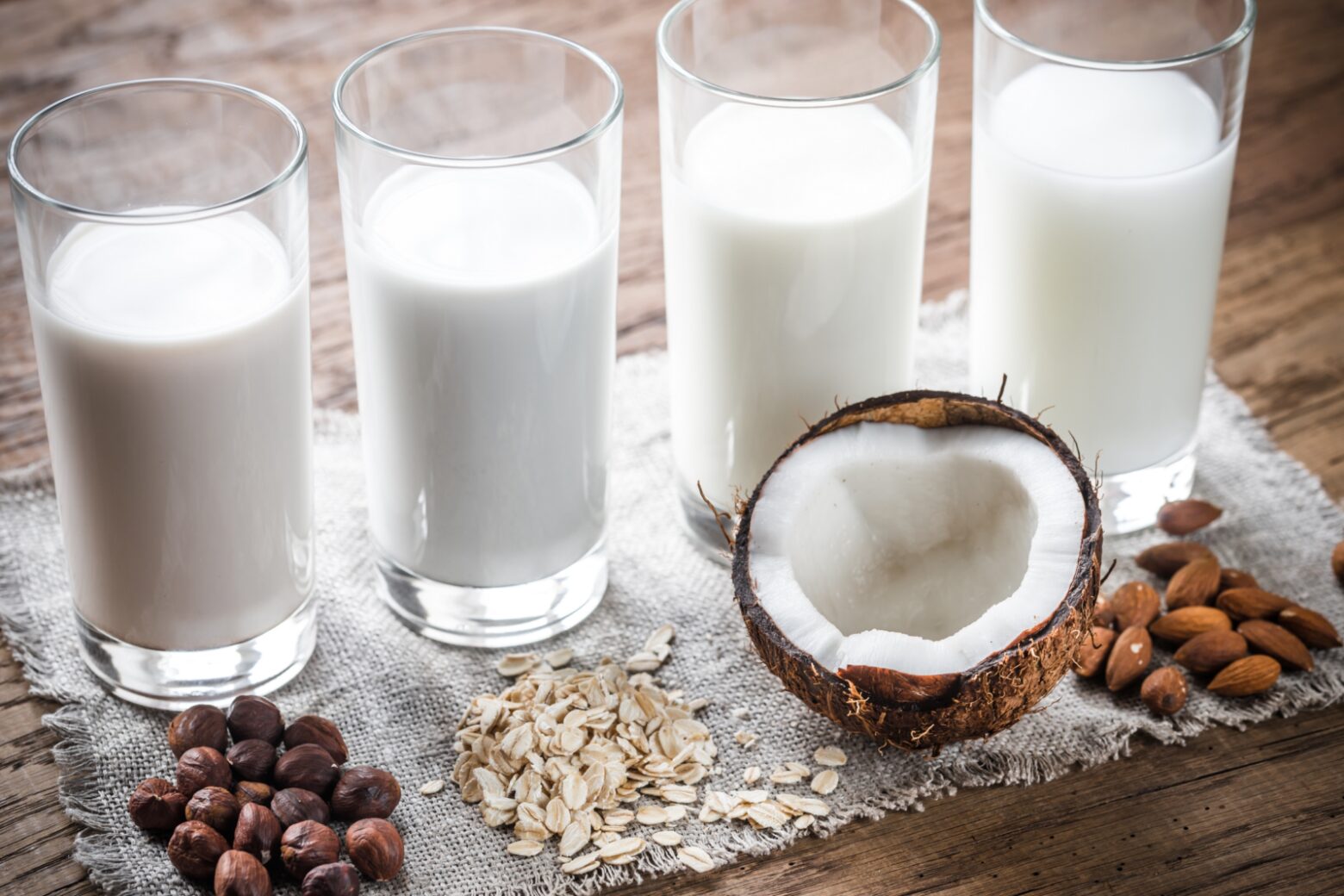
Soy milk. Almond milk. Hemp milk. Coconut milk. Oat milk.
It’s a no brainer that consuming cow’s milk, for most people, doesn’t come without consequence. Thirty million to 50 million Americans are lactose intolerant, including 75% of African Americans and American Indians and 90% of Asian Americans. (1)
On top of that, most readily available milk products are sourced from what is referred to as a CAFO (concentrated animal feeding operation). An investigation by The Washington Post revealed that even some milks from organic-labeled dairies are nothing more than CAFOs in disguise; selling higher-priced milk that is scarcely different from conventional CAFO dairy. (2)
Furthermore, with the growing trend away from whole and even 2%, to skim milk which contains 12 grams of sugar, drinking a cup or more per day adds to the insidious amount of this addictive substance consumed en masse—often unintentionally due to its tendency to be hidden in a vast array of processed food products.
Cow’s milk is also acidic; the pH of milk is 6.7 to 6.9, making it slightly below neutral and therefore acid-forming. What does the body do in an attempt to bring the body’s pH to alkaline? It draws calcium from bones to buffer excess acidity which, over time, can weaken bones and increase the risk of osteoporosis. (3)
RELATED: Why Dairy Isn’t Paleo
For all of these reasons, it’s not surprising that we sought other options to take the place of the drink that arguably might have best been left for the population it was truly meant for: calves.
Enter nut-, seed-, and grain-based “milks.”
Whether you call them milk or mylk, which of these plant-derived liquids are truly the best options for us in terms of nutrient density, flavor, texture and most importantly, least potential negative impact on gut health?
Soy Milk
With 93% of the soy products we have in the U.S. being genetically modified, (4) milks rendered from this inflammatory legume aren’t consumed without consequence. Soy is inflammatory with its high levels of omega-6s. Most Americans are getting 20 times the amount of omega-6s they need which is extremely problematic, considering omega-6s are inflammation-causing, fat-storing, and weight-gain-inducing. (5) In addition, with its high concentration of phytoestrogens, soy is the one of the most prolific offenders when it comes to hormonal imbalances in both men and women. Last but not least, soybeans contain antinutrients, including phytic acid (from phytates), which binds and prevents mineral absorption, especially zinc, calcium, and magnesium, leading to malnutrition as well as contributing to leaky gut.
RELATED: Are Beans Healthy? Why The Paleo Diet Bans Beans and Legumes
Nut and Seed Milks
These can be good choices, but sourcing and preparation is key. In this category we see almond, cashew, and hemp milk most often, as well as coconut milk.
While this group doesn’t contain the harmful plant estrogens, it can still be problematic in terms of creating inflammation as almonds are also high in omega-6s and low in omega-3s. Additionally, there is a growing awareness about the amount of water required to grow almonds, which in large scale can contribute to drought conditions globally. (6)
Another thing to keep in mind if purchasing commercially prepared almond or hemp milks is the addition of unfavorable ingredients. Be on the lookout for added sugars, plus stabilizers such as the gums (xanthan, carrageenan and guar), all of which contain antinutrients of their own, as well as anything you cannot identify as a food.
RELATED RECIPE: Homemade Almond Milk
Oat Milk
Oat milk is environmentally more friendly compared to almonds, but still grain-based and thus still with antinutrient properties from phytates, (7) thereby contributing to inflammation and leaky gut. Less than wheat, undoubtedly, but not without potential harm.
Coconut Milk
This is by far the best plant-based milk and my personal favorite as well. When sourced properly; coconut milk is probably the healthiest plant-based milk. Coconut has anti-inflammatory properties as well as vitamin E, vitamin K, and essential fatty acids.
You can make your own if you’re able to source coconut where you live: simply blend fresh coconut water right out of the coconut with fresh coconut meat from the same nut/seed /fruit (coconut is actually all of the above!). (8) If you’re not able to buy fresh coconut, a good option is to buy fair-trade coconut butter, place the glass jar in a pan of simmering water until it melts, then mix with filtered water in your blender to create the desired thickness for whatever you’re preparing.
Calcium Intake with Dairy-Free Milks
Worried about how you’re getting calcium without drinking dairy milk? Fear not, as all you need to do is get your greens in. A cup of collard greens has 357 mg of calcium versus 306 mg of calcium in dairy milk, per the Harvard School of Public Health. And that’s without any of the acid-forming, bone-leeching properties!
Once again, everything we need is available to us if we go straight to the source: in-season, local, plants in abundance (mostly veggies), paired with ample natural fats and a touch of mindfully sourced protein. It’s. Just. Food.
Originally published on Paleoista.com
References
- https://news.cornell.edu/stories/2005/06/lactose-intolerance-linked-ancestral-struggles-climate-diseases
- https://articles.mercola.com/sites/articles/archive/2017/05/16/organic-dairy-milk-may-not-be-organic.aspx
- https://www.drweil.com/diet-nutrition/diets-weight-loss/the-acid-alkaline-diet-eating-to-protect-bones/
- https://www.huffingtonpost.com/margie-kelly/genetically-modified-food_b_2039455.html
- https://www.ncbi.nlm.nih.gov/pmc/articles/PMC4808858/
- https://www.theguardian.com/lifeandstyle/shortcuts/2015/oct/21/almond-milk-quite-good-for-you-very-bad-for-the-planet
- https://draxe.com/antinutrients/
- https://www.scienceabc.com/nature/is-coconut-a-seed-a-fruit-or-a-nut.html
Nell Stephenson, B.S.
Nell Stephenson has been an advocate for The Paleo Diet since 2011, and is the co-author of The Paleo Diet Cookbook.
More About The Author
Is It Paleo?

The Paleo Diet® Newsletter
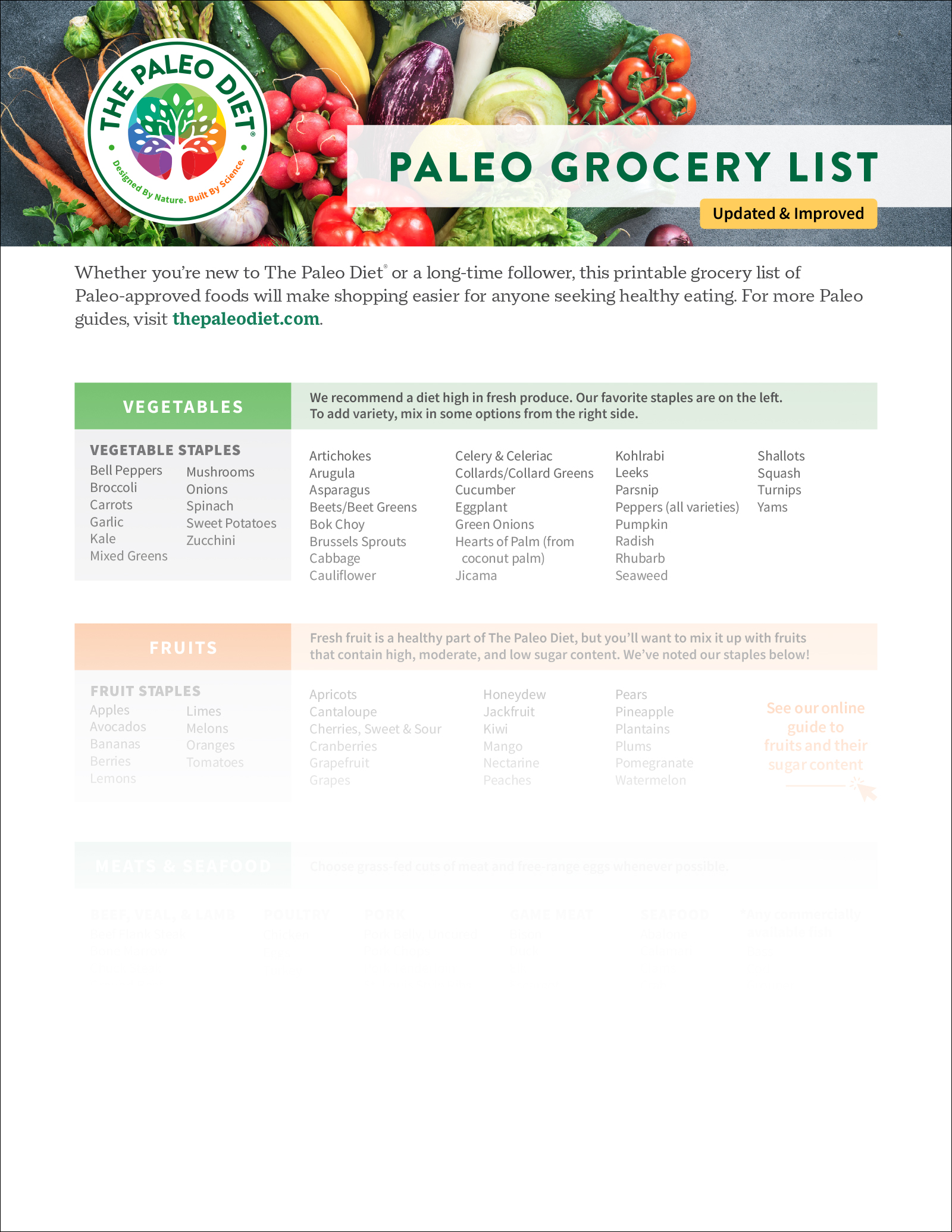
Sign up to get info on healthy nutrition, free recipes, meal prepping, and the latest health research. New subscribers will also receive our Official Paleo Grocery List!
