Edible Garden Plants to Grow in Your Backyard
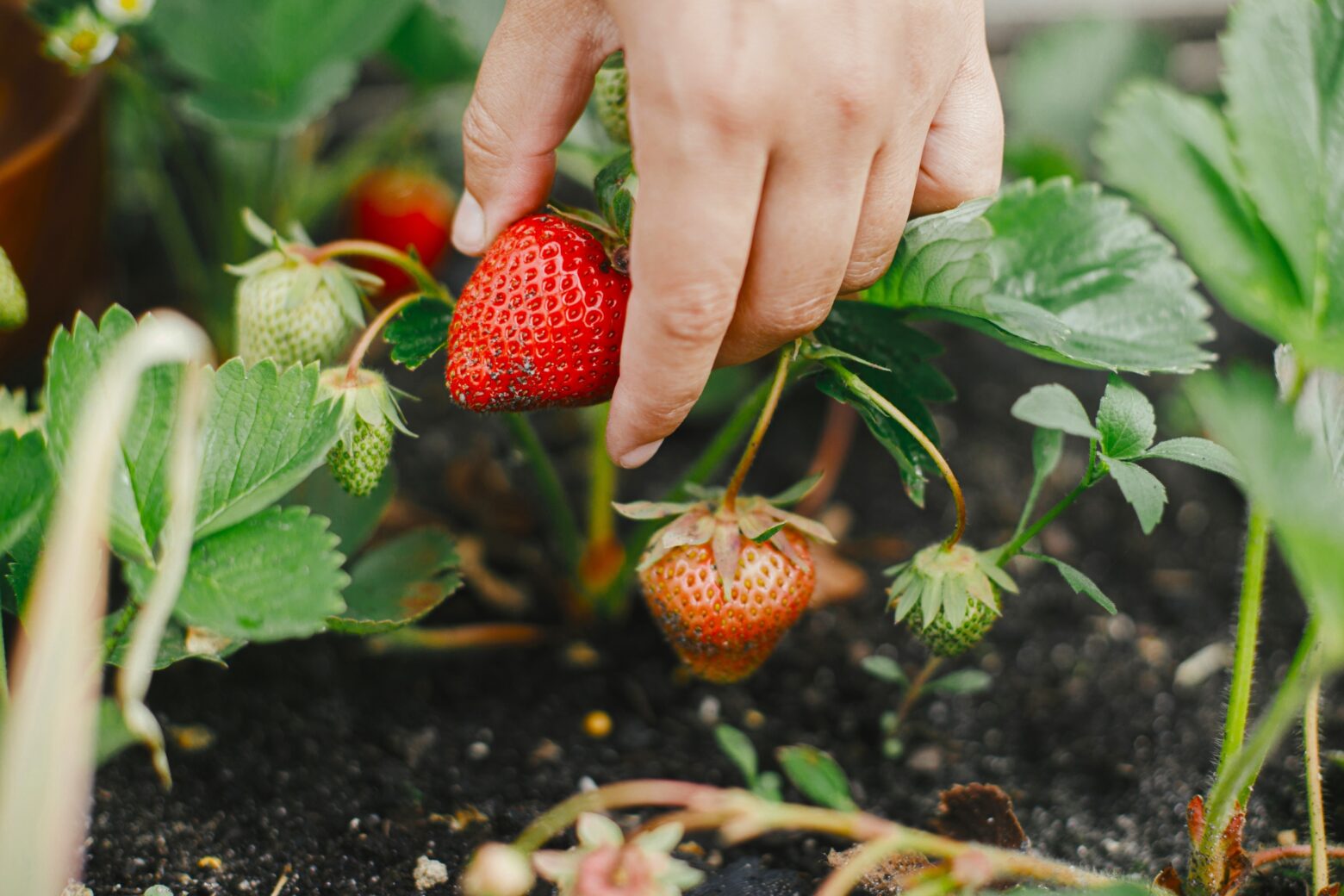
Tending your own garden can be a rewarding experience for many. You get time to yourself outdoors and can reap the fruits of your labor—sometimes literally. When you grow your own edible garden plants, you’re connecting to your food in a way that aligns more closely with our Paleolithic ancestors than any trip to the grocery store will provide. Not only that, but growing your own food has a lower carbon footprint than buying produce that has been transported from other states or countries.
If you have the means, growing edible garden plants can be a worthwhile endeavor. But if you are new to gardening, we suggest starting slow with hardy plants or partially grown seedlings. It’s also important to know that some plants can take years to fruit, or require more than one plant to pollinate. On top of that, some plants may do well with other companion species, while others suffer when grown close to the wrong species, so researching the food you want to grow is always important. There’s also the biggest factor to take into consideration before you run off to the nursery: your climate.
Many American gardeners reference the U.S. Department of Agriculture’s (USDA) Plant Hardiness Zone Map to determine the lowest average winter temperatures in their location and then find garden plants to match their zone. But temperature only tells part of the story when it comes to nurturing a thriving plant; sunlight, rainfall, and humidity can all play a factor as well. Another aspect to consider is heat hardiness, or how much a plant can stand extended periods over 85°F. Unfortunately, the heat hardiness map has not been updated since 1997, and average temperatures have increased since then.1
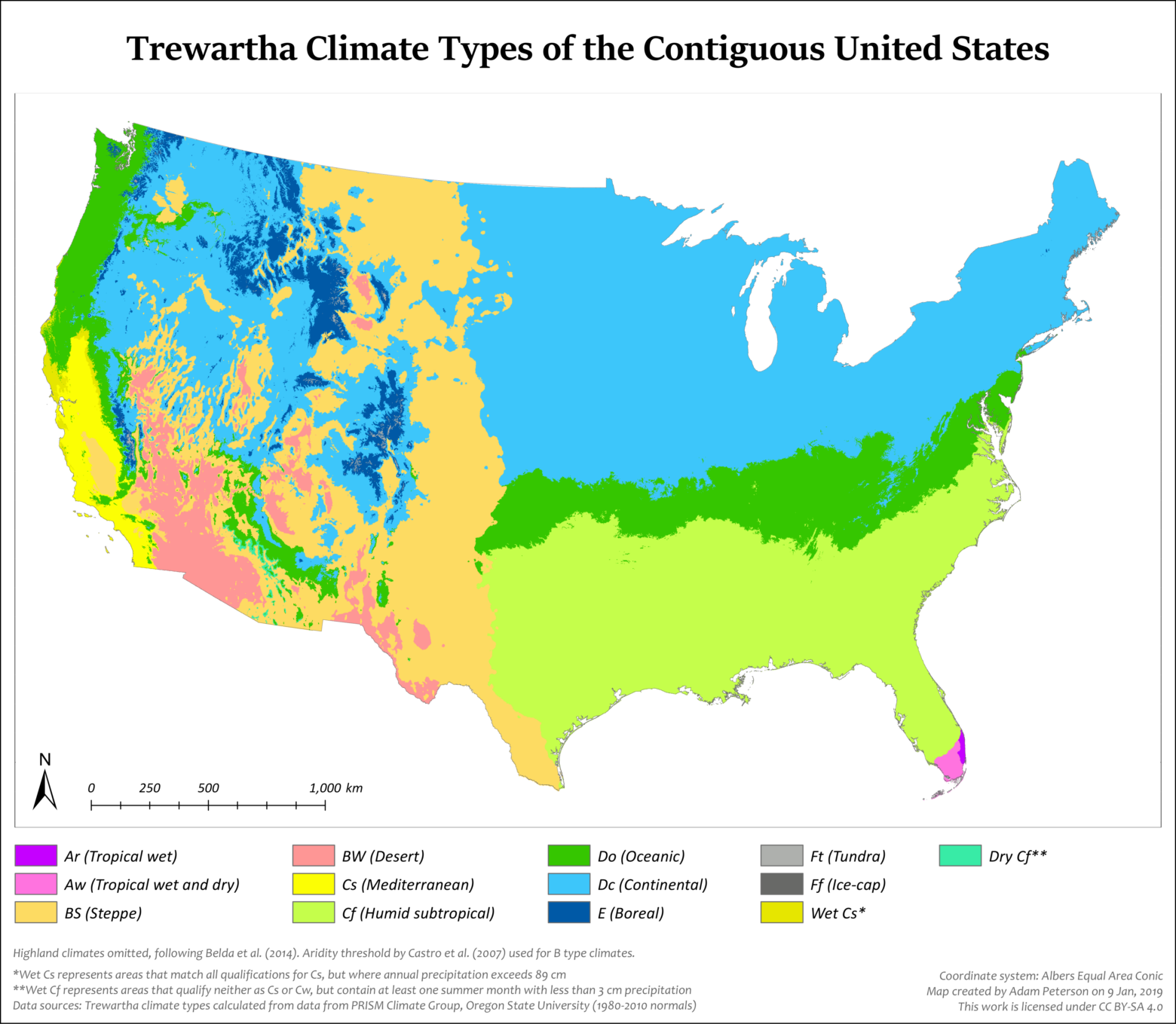
Because the United States is such a vast and varied country, we wanted to provide suggestions for popular produce you can grow in your garden depending on the climate region you reside in. We took into account temperature, humidity, and water requirements to create suggested lists of produce that can thrive in your climate area according to the Trewartha climate classification (pictured below).2
Edible Garden Plants That Can Grow Throughout the Lower 48
Before we get into individual climates, let’s start with versatile garden plants that can grow almost anywhere.* Many of these foods either have varietals that can grow in specific climates or are hardy enough to endure a range of temperatures during their growing season. Note that not all of these foods can overwinter, however, as they may be sensitive to frost—depending on your latitude, you may only be able to grow them during the summer or need to take precautions to protect them during colder months.
- Beetroot
- Broccoli
- Brussels Sprouts
- Butternut Squash
- Cabbage
- Carrots
- Cauliflower
- Celery
- Cilantro
- Dill
- Kale
- Lettuce
- Mint
- Pears
- Radishes
- Spinach
- Strawberries
- Tomatoes
- Watermelon
- Zucchini
Edible Garden Plants by Climate Region
Below you will find suggested garden plants to grow for yourself depending on your climate, with states listed that contain at least some significant portion of that climate. Please note that many states have multiple climate zones, and microclimates (i.e., small areas that differ from the surrounding climate) are numerous. This is merely meant to be a guide to give you ideas on what you may be able to plant in your yard. With that, let’s jump in.
Continental
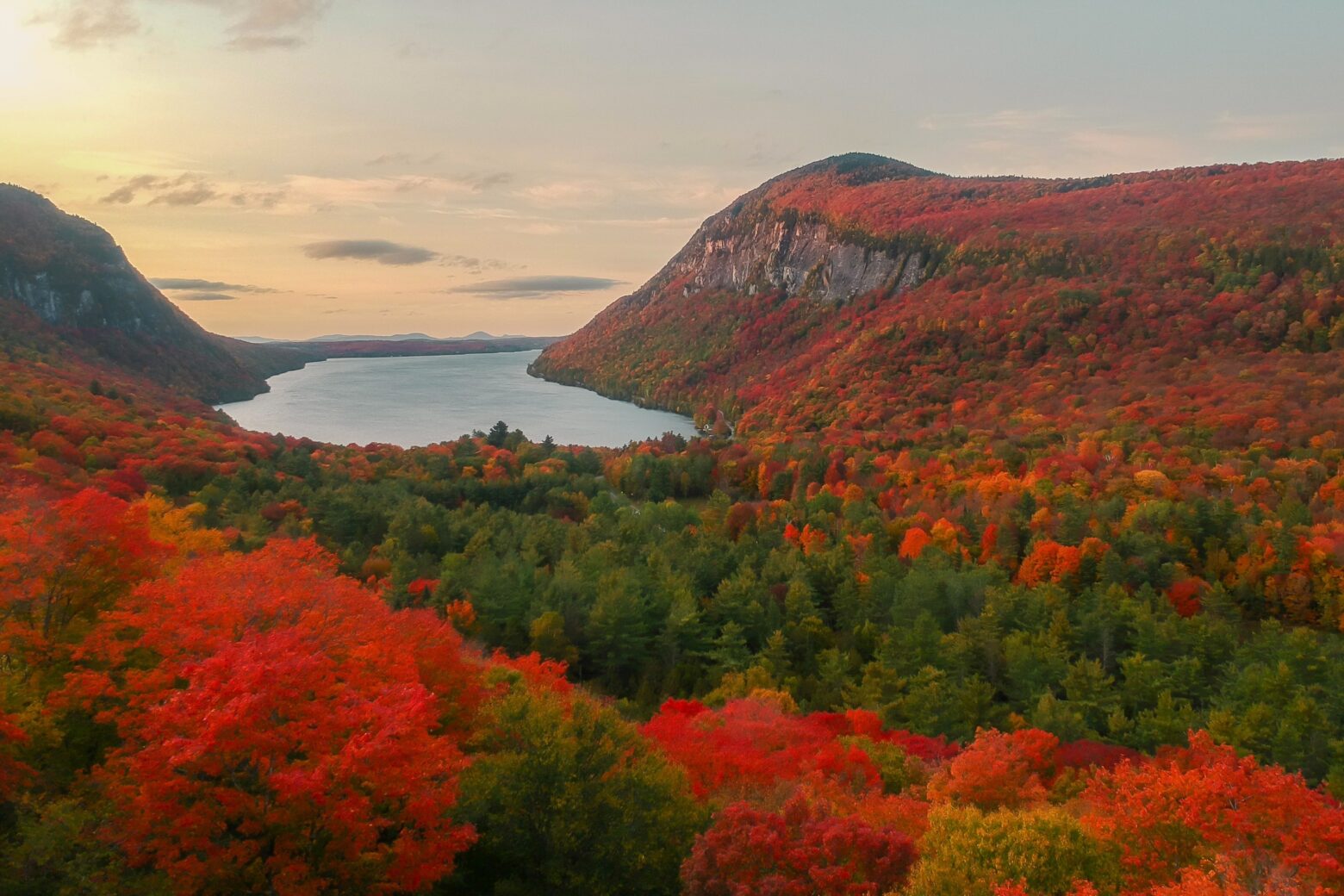
States with significant Continental climate: Colorado, Connecticut, Idaho, Illinois, Indiana, Iowa, Kansas, Maine, Maryland, Massachusetts, Michigan, Minnesota, Missouri, Montana, Nebraska, Nevada, New Hampshire, New Jersey, New York, North Dakota, Ohio, Oregon, Pennsylvania, Rhode Island, South Dakota, Utah, Vermont, Washington, West Virginia, Wisconsin, Wyoming
The Continental climate covers the largest swath of the contiguous United States and is mostly found in the Midwest, Ohio Valley, and Northeast areas of the country. It is a temperate climate, characterized by warm summers and cold winters (below freezing in the coldest months). This climate can be further classified into two types: hot summers that average above 72°F during the warmest months, and cold summers that average below 72°.
Plants that grow here are usually adapted to going dormant during winter to survive the cold temperatures. Many even require cold periods to trigger fruiting or budding.3 But whether or not a plant will thrive may depend on your latitude and hardiness zone.
Continental-Friendly Garden Plants
- Green Onions
- Onions
- Oregano
- Parsley
- Plums
- Raspberries
- Tarragon
Oceanic
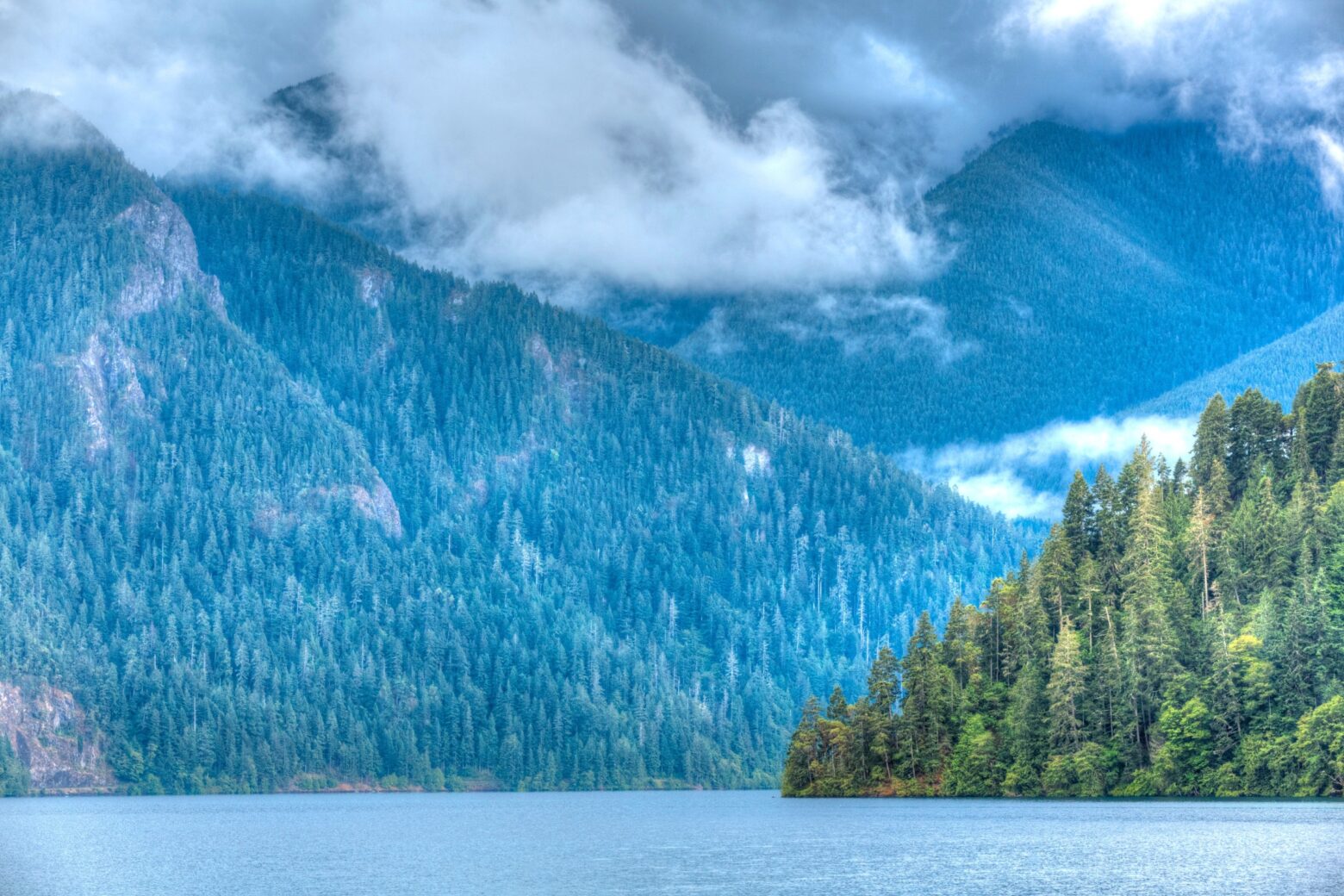
States with significant Oceanic climate: Delaware, Kansas, Kentucky, Maryland, Missouri, New Jersey, North Carolina, Oklahoma, Oregon, Tennessee, Virginia, Washington
Oceanic is another temperate climate, though it has more relative humidity than Continental and averages above freezing during the coldest months of the year. It is mostly found along the coast of the Pacific Northwest and in a belt dividing the Continental Midwest and Northeastern states from the Humid Subtropical South. Plants that are more sensitive to frost may do better in an Oceanic climate than Continental.
Oceanic-Friendly Garden Plants
- Asparagus
- Blueberries
- Cherries
- Chives
- Fennel
- Garlic
- Ginseng
- Green Onions
- Kiwifruit
- Onions
- Oregano
- Peaches
- Plums
- Sage
Humid Subtropical
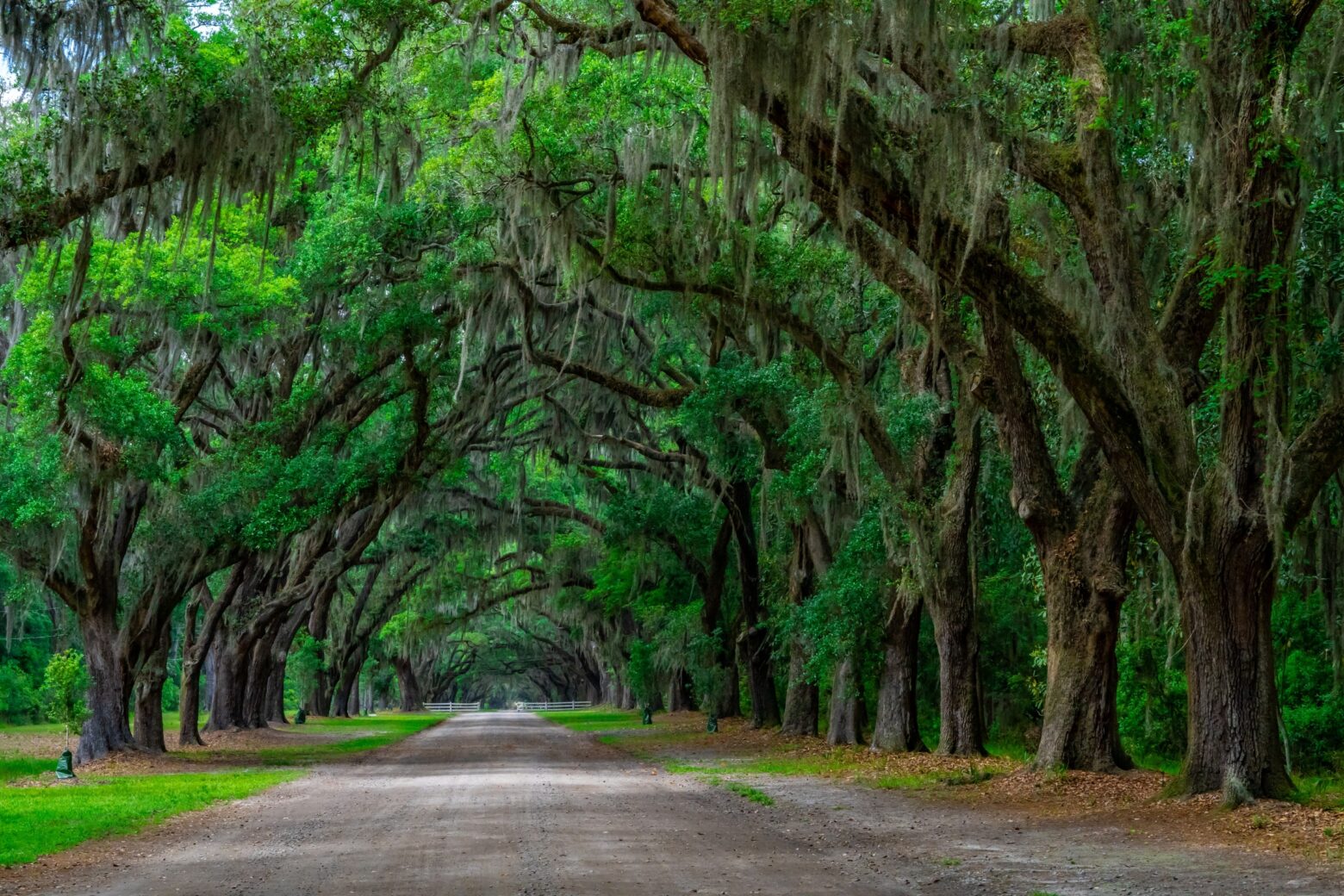
States with significant Humid Subtropical climate: Alabama, Arkansas, Florida, Georgia, Louisiana, Mississippi, North Carolina, Oklahoma, South Carolina, Texas
The Humid Subtropical climate is found exclusively in the southeastern part of the United States, from Texas to Florida. It is characterized by moderate to high humidity and maintains temperatures over 50°F for at least eight months of the year, with mild winters. This is considered a transitional zone between Temperate and Tropical climates, with both evergreen and deciduous plants growing here.3
Humid Subtropical-Friendly Garden Plants
- Avocado
- Bay Laurel
- Bell Peppers
- Cayenne Pepper
- Ginger
- Jalapeño
- Lemons
- Limes
Steppe
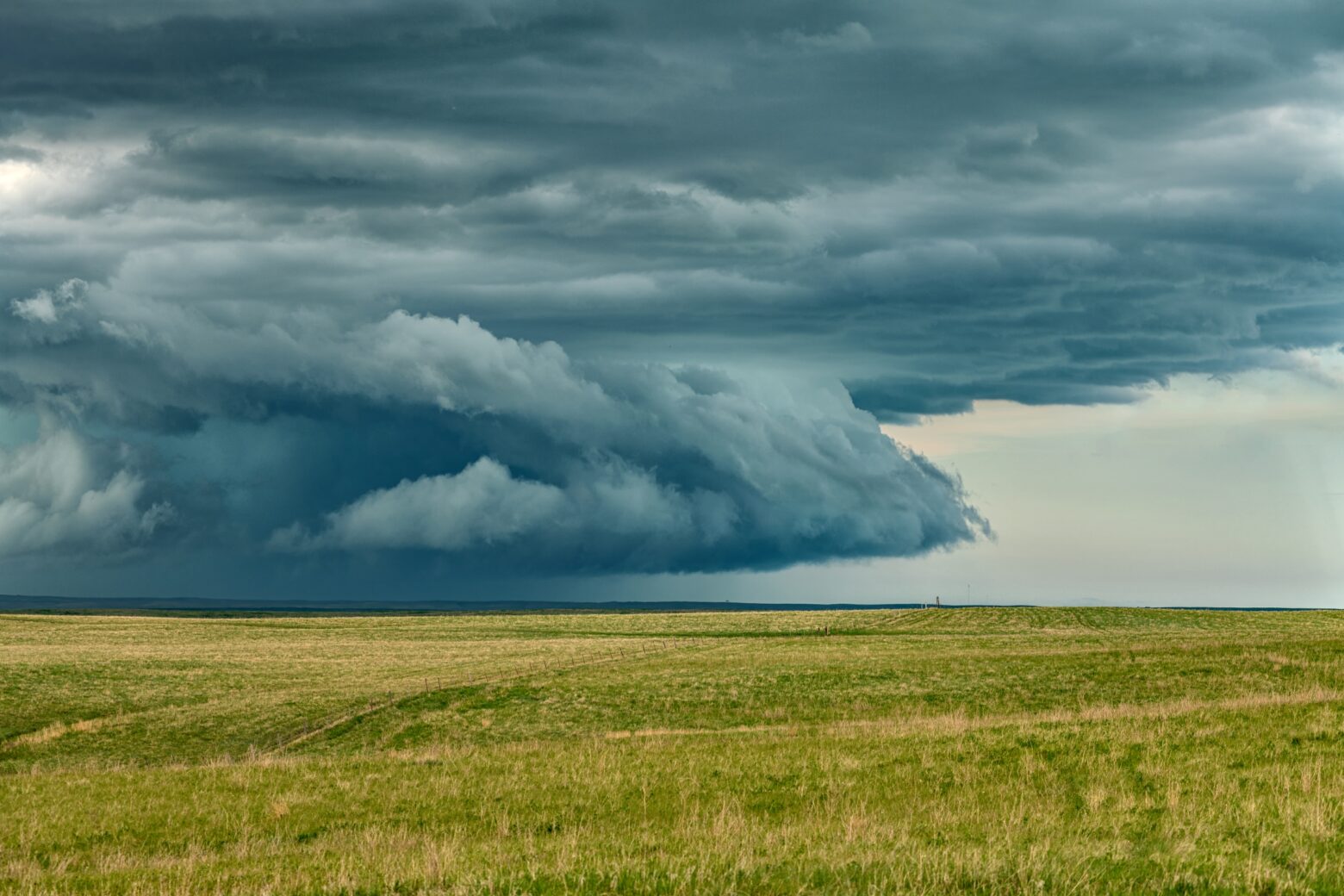
States with significant Steppe climate: Arizona, California, Colorado, Montana, Nevada, New Mexico, Texas, Wyoming
Steppe is a dry climate, characterized by greater precipitation than Desert climates. Many parts of the Western United States are Steppe, especially the plains east of the Rocky Mountains—from the southern tip of Texas into Canada. There are many edible garden plants that can grow here, though they may be dependent on your latitude and corresponding hardiness zone.
Steppe-Friendly Garden Plants
- Marjoram
- Onions
- Oregano
- Parsley
- Peaches
- Plums
- Pomegranate
- Raspberries
- Rosemary
- Tarragon
- Thyme
Desert & Mediterranean
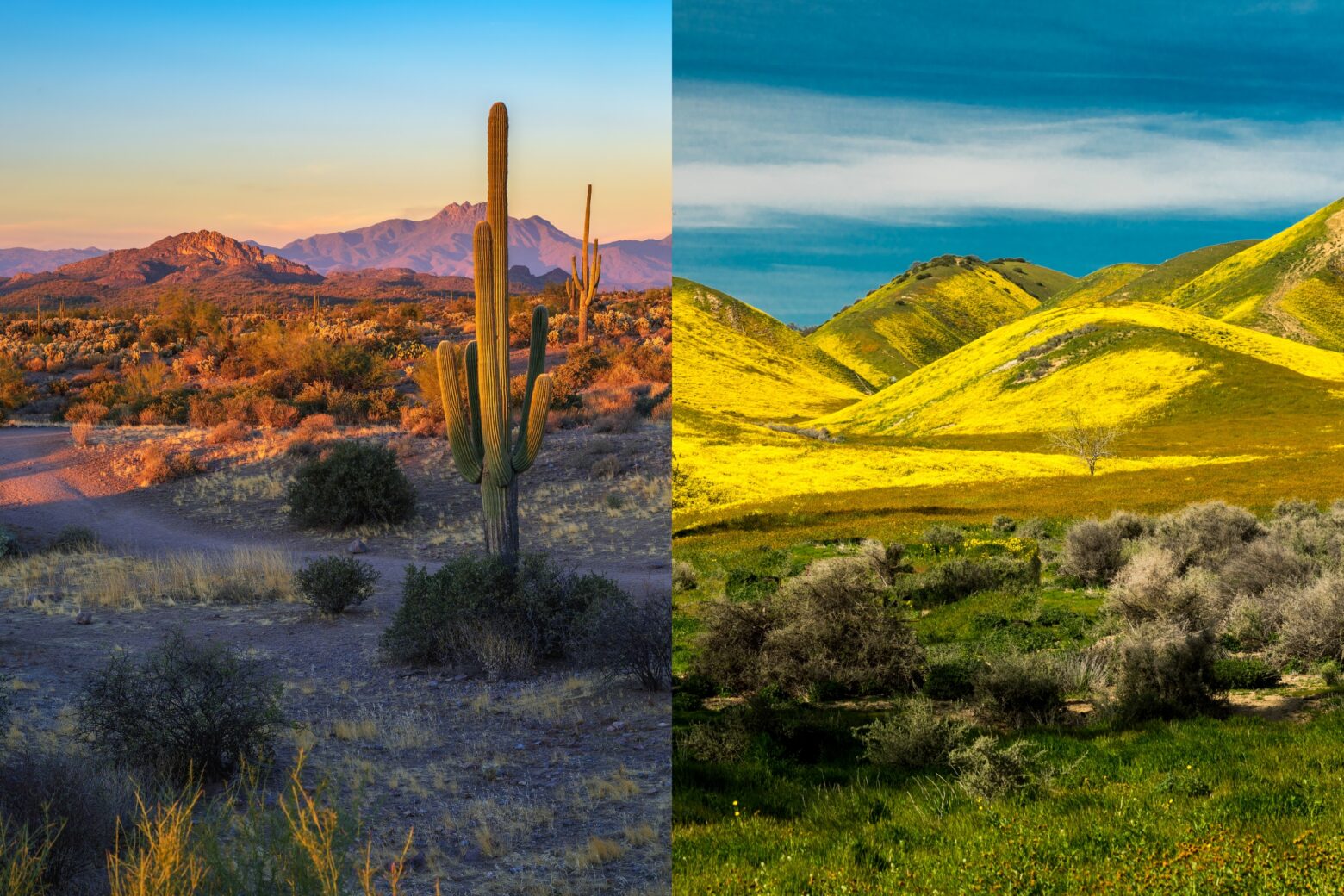
States with significant Desert or Mediterranean climate: Arizona, California, Nevada
California, Nevada, and Arizona all have large portions of Desert climate within their borders, but California is the only U.S. state with a Mediterranean climate, found mainly along its coast and northern inland area.
Mediterranean is a type of Subtropical climate, characterized by dry summers. Like Humid Subtropical, Mediterranean maintains at least 50°F for eight months of the year. This unique climate allows California to be a prolific crop producer for a variety of foods. Though you can grow many staples there, the garden plants listed below have evolved to enjoy the dry climates Desert or Mediterranean have to offer.
Desert- or Mediterranean-Friendly Garden Plants
- Asparagus
- Avocado
- Basil
- Blackberries
- Cherries
- Chives
- Fennel
- Garlic
- Grapes
- Green Onions
- Kiwifruit
- Onions
- Oregano
- Parsley
- Pomegranate
- Plums
- Rosemary
- Spaghetti Squash
- Sweet Potatoes
- Tarragon
- Thyme
Boreal
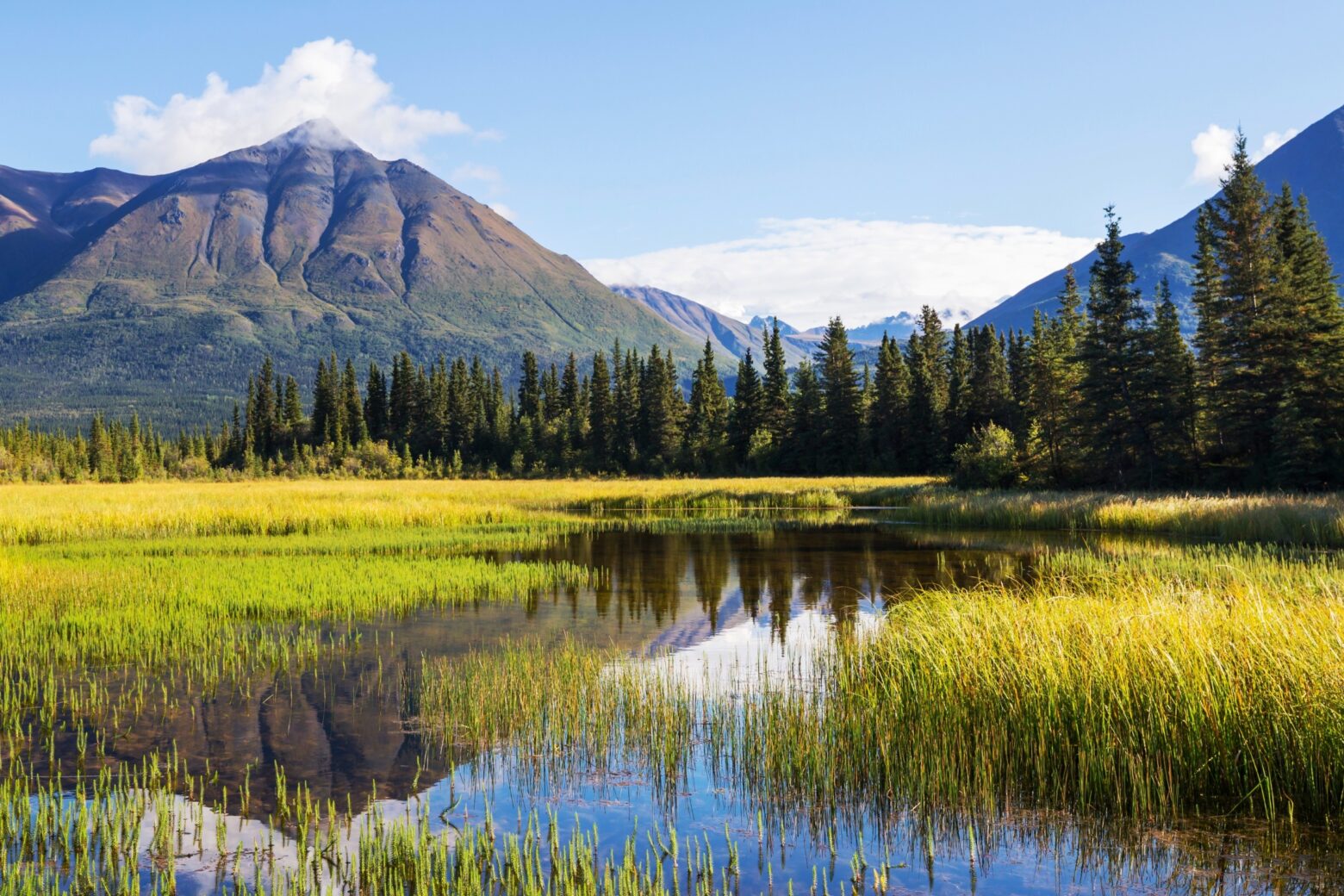
States with significant Boreal climate: Alaska, Colorado, Idaho, Montana, Wyoming
Boreal is a subarctic or subpolar Oceanic climate. Much of Alaska is Boreal, though some parts are Tundra (which we don’t discuss here as very little vegetation can survive that climate).2 Within the contiguous United States, the Boreal climate is only found in Western mountainous ranges, most notably the Rocky Mountains.
Because this climate is only frost-free one to three months out of the year, cold-hardy plants can be grown here in the summer only. If you choose to overwinter, they may need protection or to be planted in a pot that can be brought inside during the coldest months.
Boreal-Friendly Garden Plants
- Blueberries
- Ginseng
- Grapes
- Raspberries
Tropical

States with significant Tropical climate: Florida, Hawaii
Hawaii is the only U.S. state with a majority Tropical climate. Though the southern tip of Florida has both Tropical Wet and Tropical Wet & Dry climates, most of the state is Humid Subtropical. Tropical climates have high humidity, high temperatures, and high rainfall. Plants that grow here are not tolerant to frost or changing seasons. While there can be some overlap between climates, many plants that thrive in the tropics usually don’t grow elsewhere.
Tropical-Friendly Garden Plants
- Avocado
- Bananas
- Basil
- Cinnamon
- Lemongrass
- Mangos
- Nutmeg
- Pineapple
Final Thoughts on Growing Your Own Edible Garden Plants
Hardiness zones are useful, but they’re not the only metric for determining a healthy, thriving plant. Always do your research before adding more plants to your garden. If you don’t have the right climate or space for some garden plants, certain species—like herbs or dwarf citrus—can do well indoors.
Remember that native plants have evolved to thrive in your region, so consider planting edible native plants if possible (American ginseng, berries, tomatoes, peppers, and squash are some examples of native plants with widespread range in the U.S.). Also consider bugs, birds, rabbits, deer, pets, or other critters who may try to enjoy your harvest before you get the chance to and be proactive in protecting your food. Gardening takes effort, but this is a journey that can be rewarding and worthwhile when you’re prepared for it.
*Information on individual plant hardiness zones and needs for humidity, light, and water compiled with the help of The Old Farmer’s Almanac and The Spruce.
References
- NASA Earth Observatory. (2010, December 8). World of Change: Global Temperatures. NASA Science. https://science.nasa.gov/earth/earth-observatory/world-of-change/global-temperatures/
- LotusArise. (2021, January 27). Trewartha Climatic Classification – UPSC (Climatology). Lotusarise.com. https://lotusarise.com/trewartha-climatic-classification-upsc/
- Classification of Climatic Conditions for Horticulture – Agriculture Notes by Agriculture Institute. (2025, May 16). Agriculture Institute. https://agriculture.institute/basic-horticulture/classification-of-climatic-conditions-horticulture/
Andrea Dehnke
Andrea is the Content Manager at The Paleo Diet and has experience working with several health and nutrition publications.
More About The Author
Lifestyle



The Paleo Diet® Newsletter
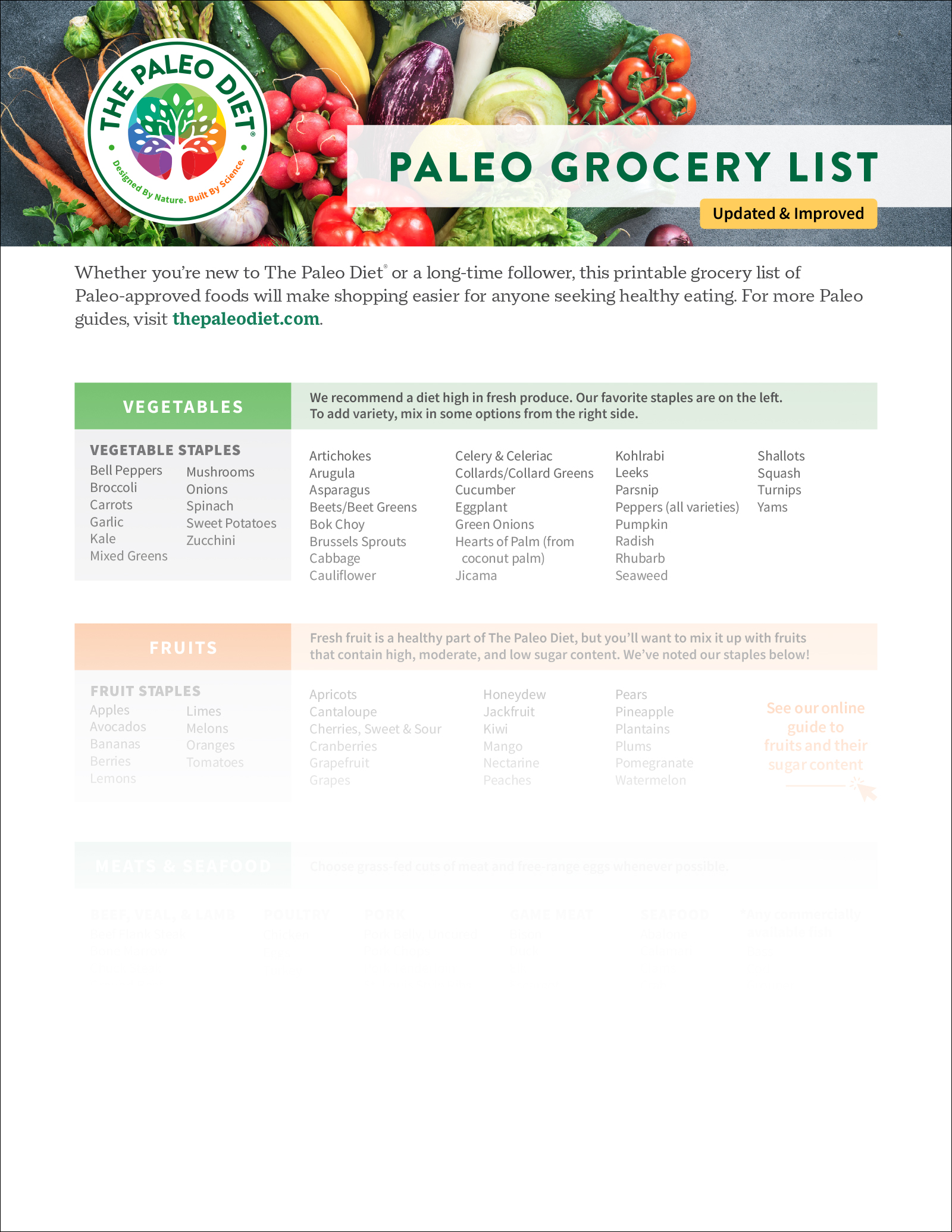
Sign up to get info on healthy nutrition, free recipes, meal prepping, and the latest health research. New subscribers will also receive our Official Paleo Grocery List!