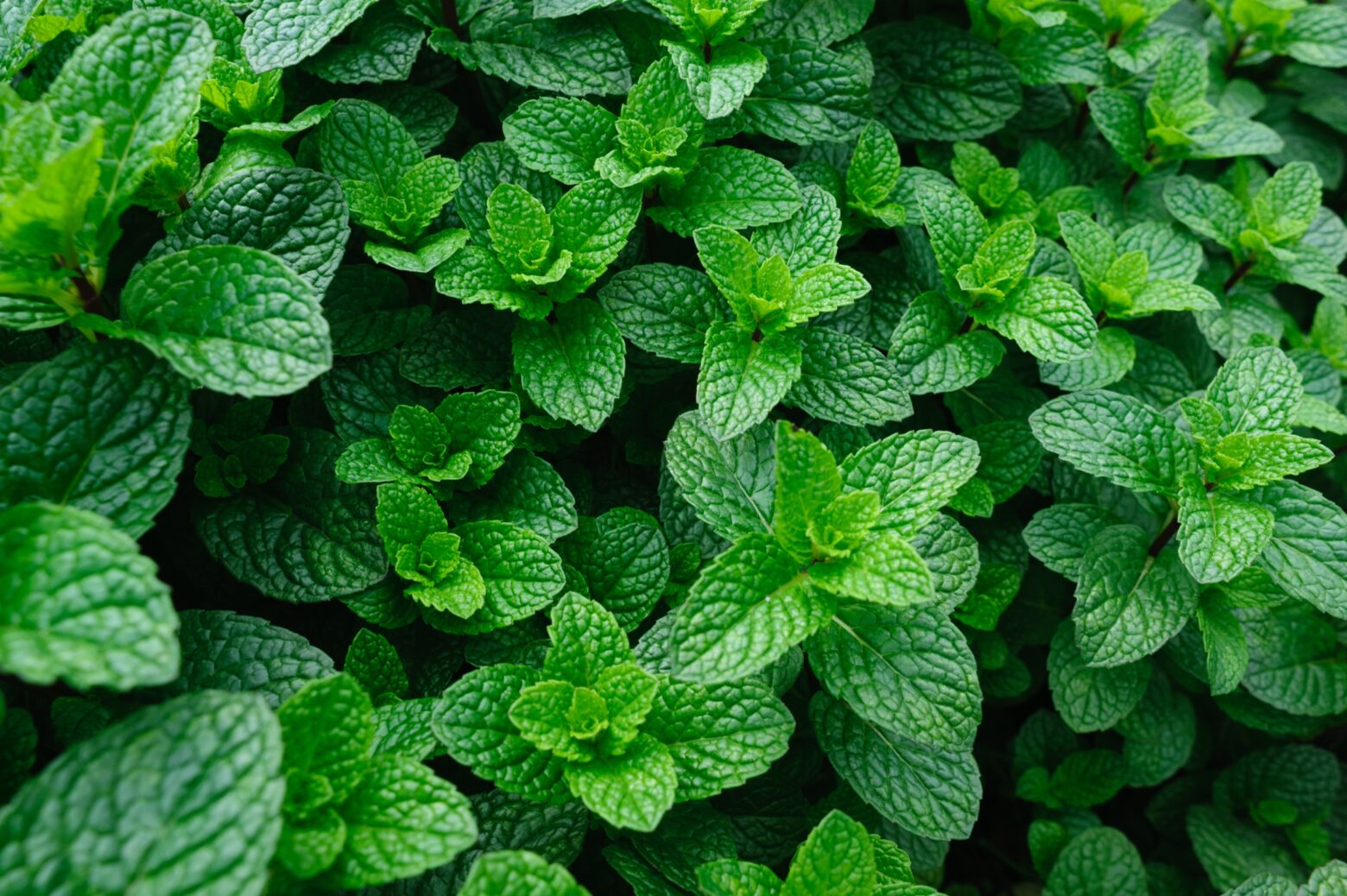
Mint
Produce Type: Herb
Scientific Name: Mentha spicata (spearmint) and Mentha × piperita (peppermint)
Seasonality: Spring through autumn
Nutrients: Calcium, magnesium, potassium, vitamin A, rosmarinic acid, eugenol
Flavor: Cool & refreshing
Complementary Flavors: Berries, cantaloupe, cucumber, citrus, mango, peach, pineapple, watermelon
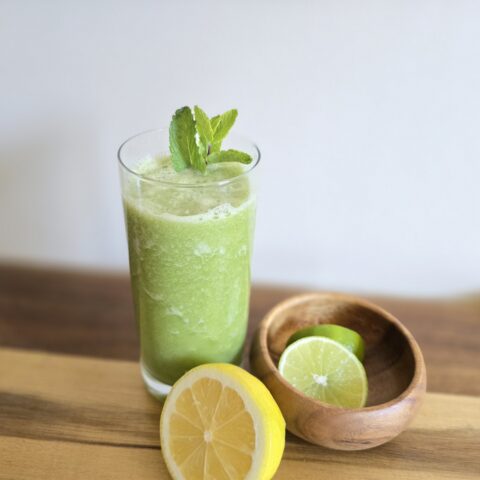
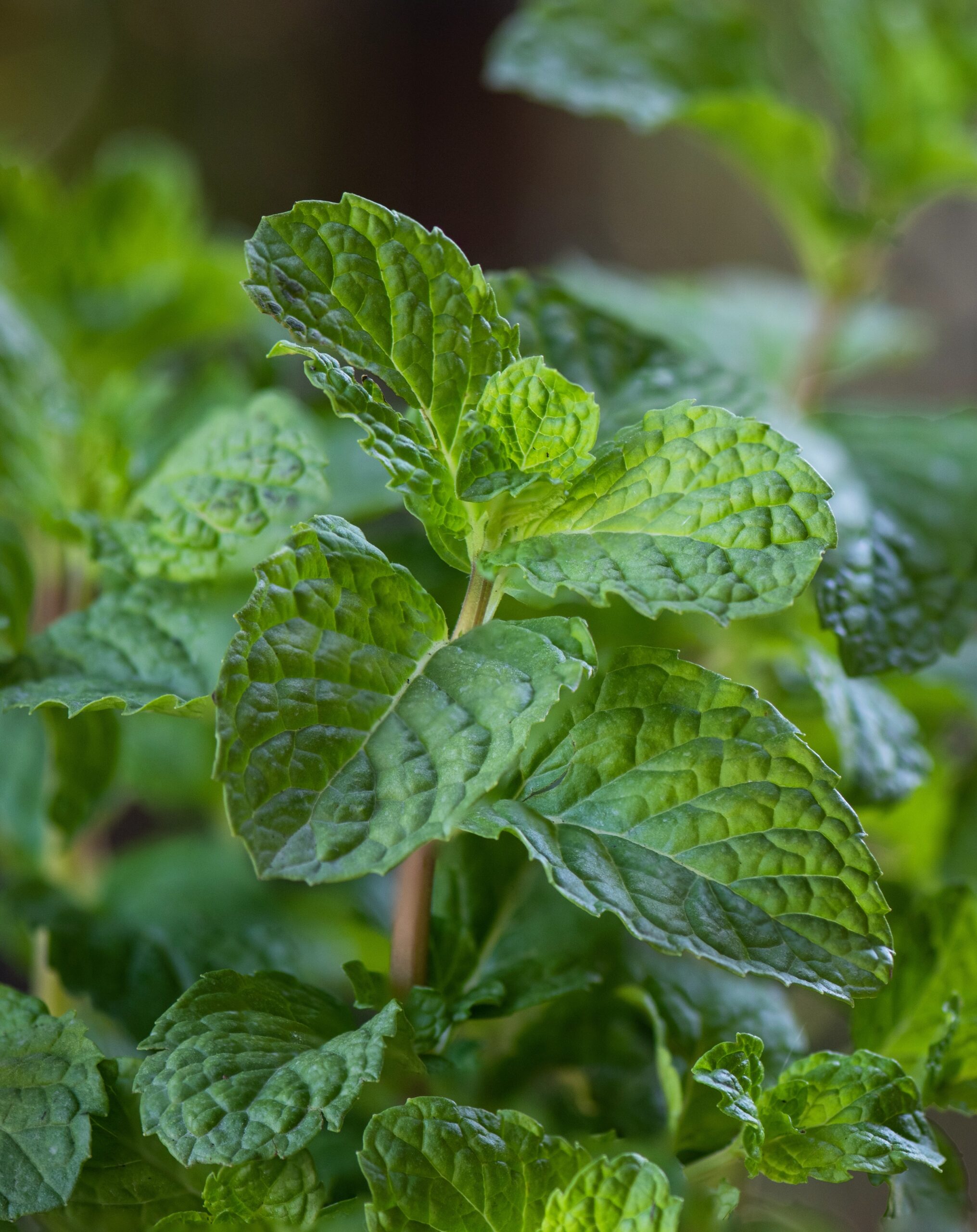
Quick Cooking Tip: When adding mint to a drink or mocktail, it’s better to slap the sprig against your palm than muddle the leaves. Slapping releases mint’s essential oils and imparts its classic flavor into beverages, whereas muddling or bruising (from smacking too hard) will give you a more unpleasant taste.
Cost: $*
*from least expensive ($) to most expensive ($$$$)
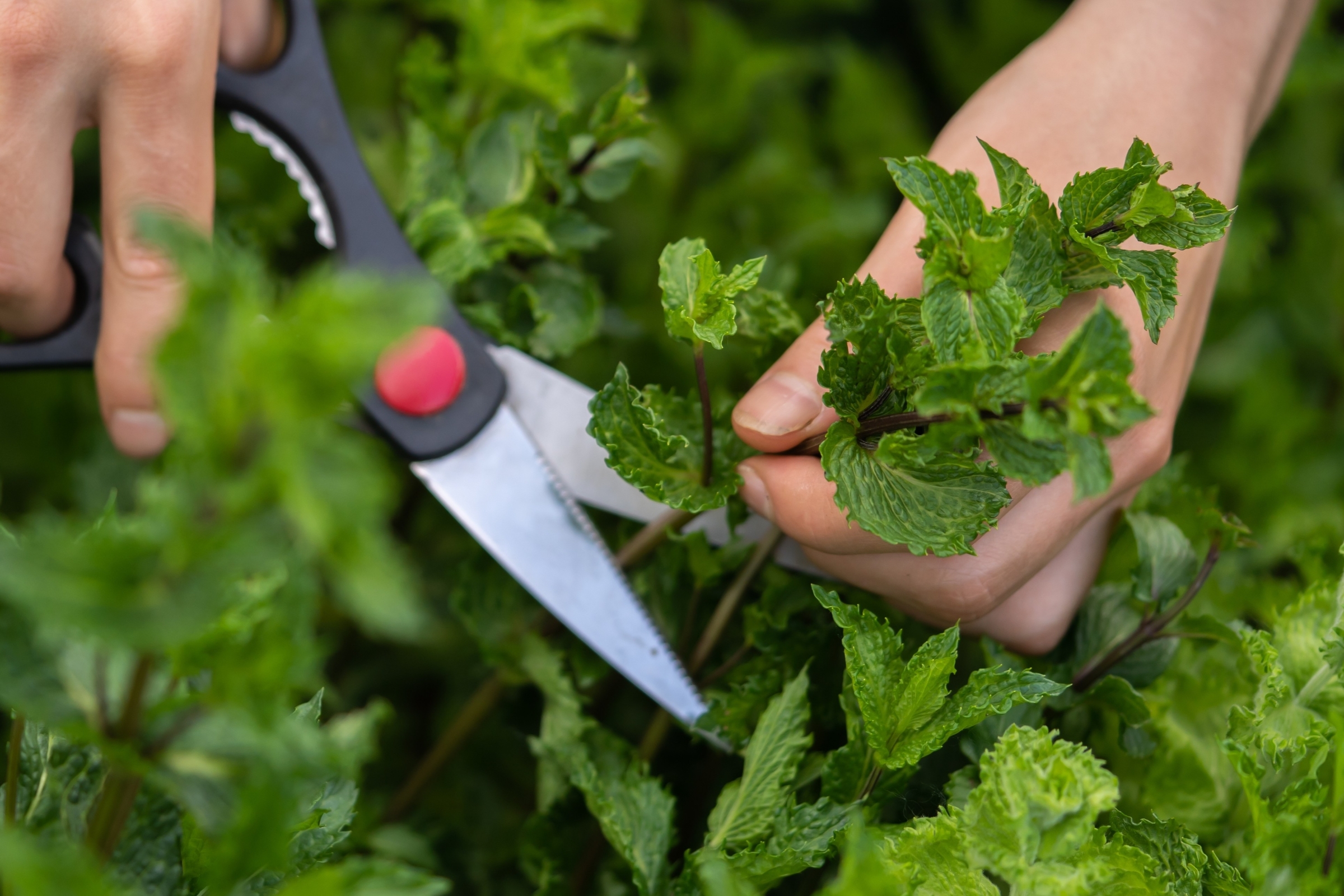
Mint Benefits & How to Use Mint in Your Kitchen
Here’s what the science says about mint—plus tips for growing, storing, and cooking with this versatile herb.
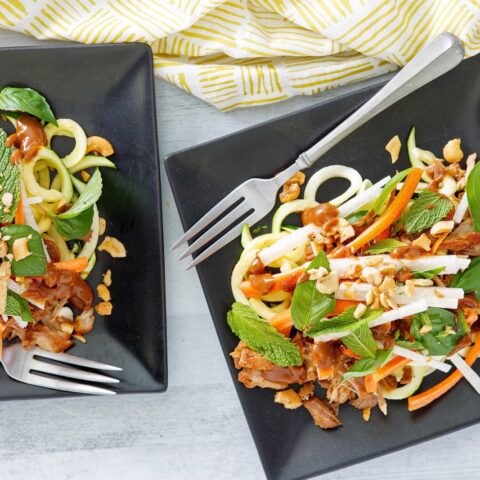
Mint Recipes
Health Benefits
Sober Curious
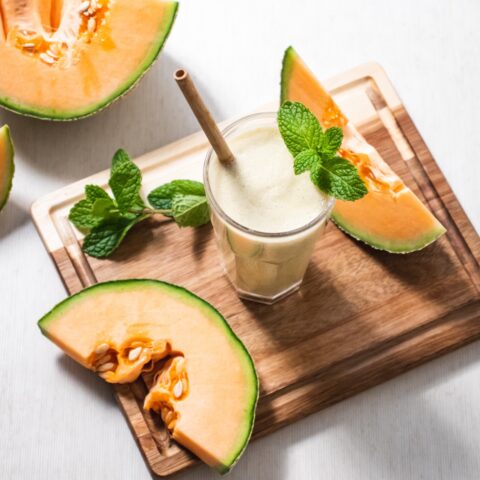
Living sober doesn’t mean you have to give up the fun of crafting your own unique non-alcoholic cocktails. This light and summery melon-based drink uses a muddler, cocktail shaker, and lychee juice for the feel of a crafted beverage without the booze.
SEE RECIPE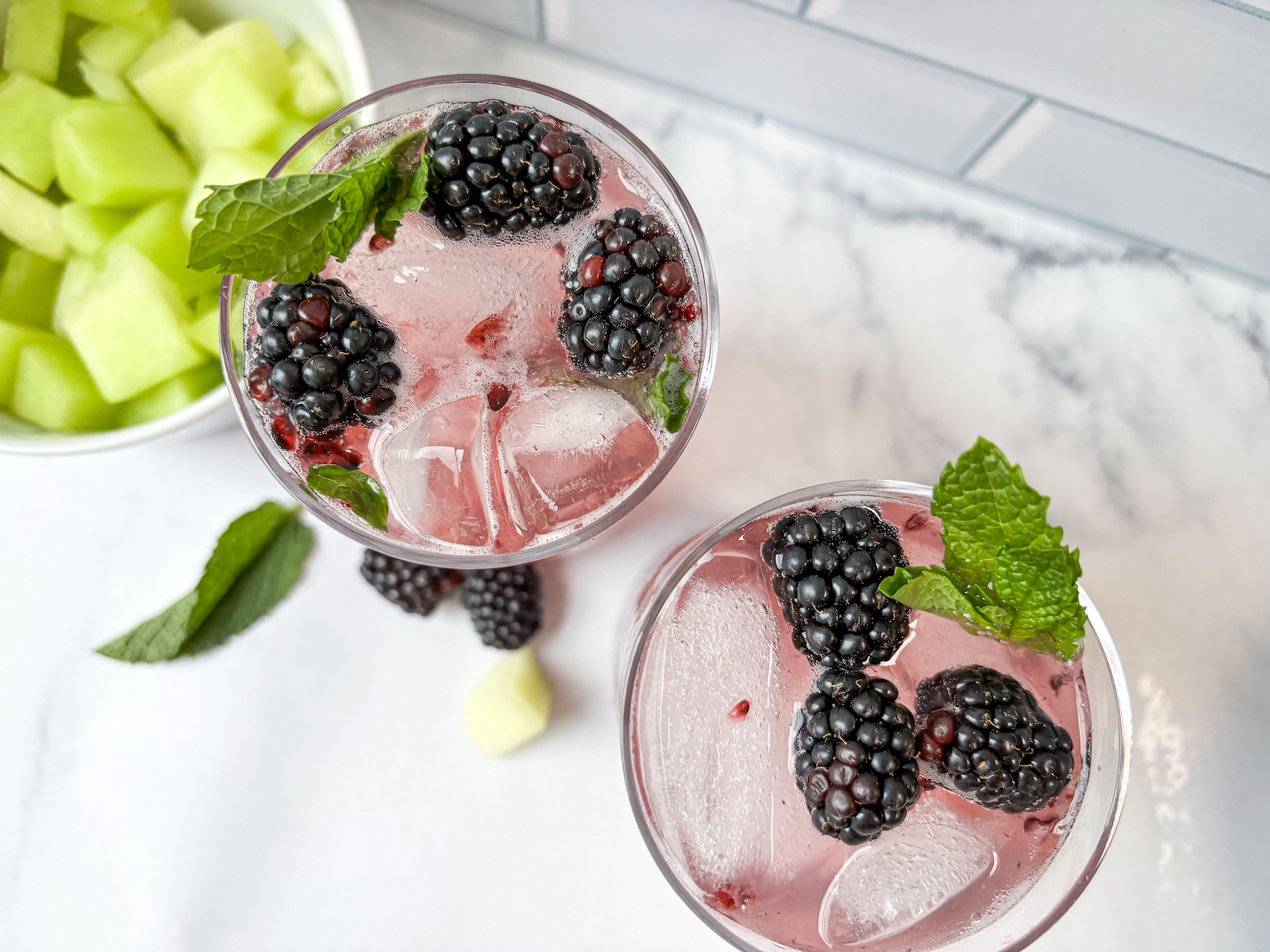
Sustainable Living
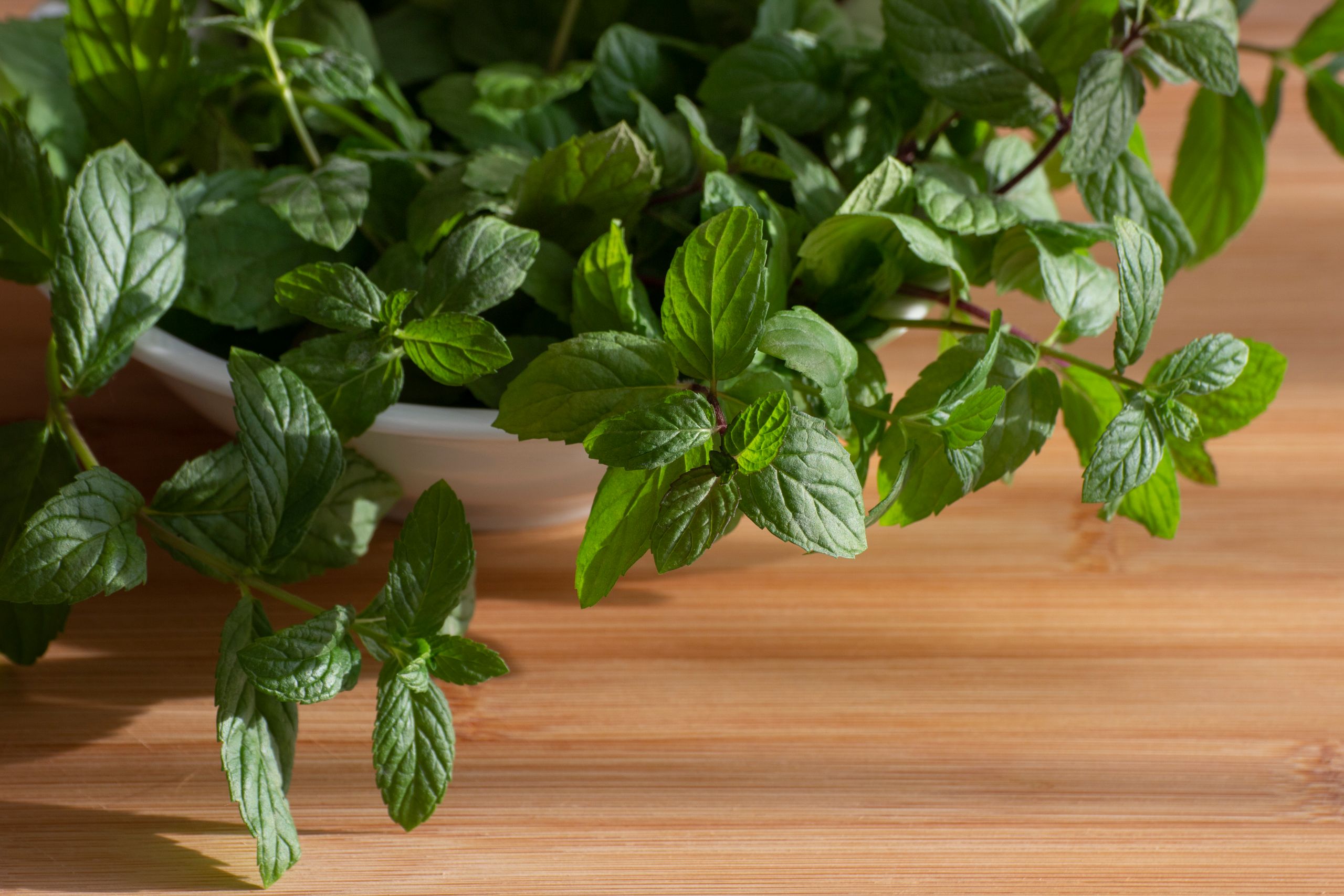
Help reduce food waste by growing your own mint at home. It’s one of the best herbs to start with if you’re new to indoor (or outdoor) gardening as it tolerates missed waterings well and spreads quickly.
Mindful Eating
Peppermint is one of the most common pollinated plants we use in cooking and everyday life. We couldn’t make these mint recipes or use mint ingredients in our lifestyle and beauty products without our pollinator friends!
READ MORE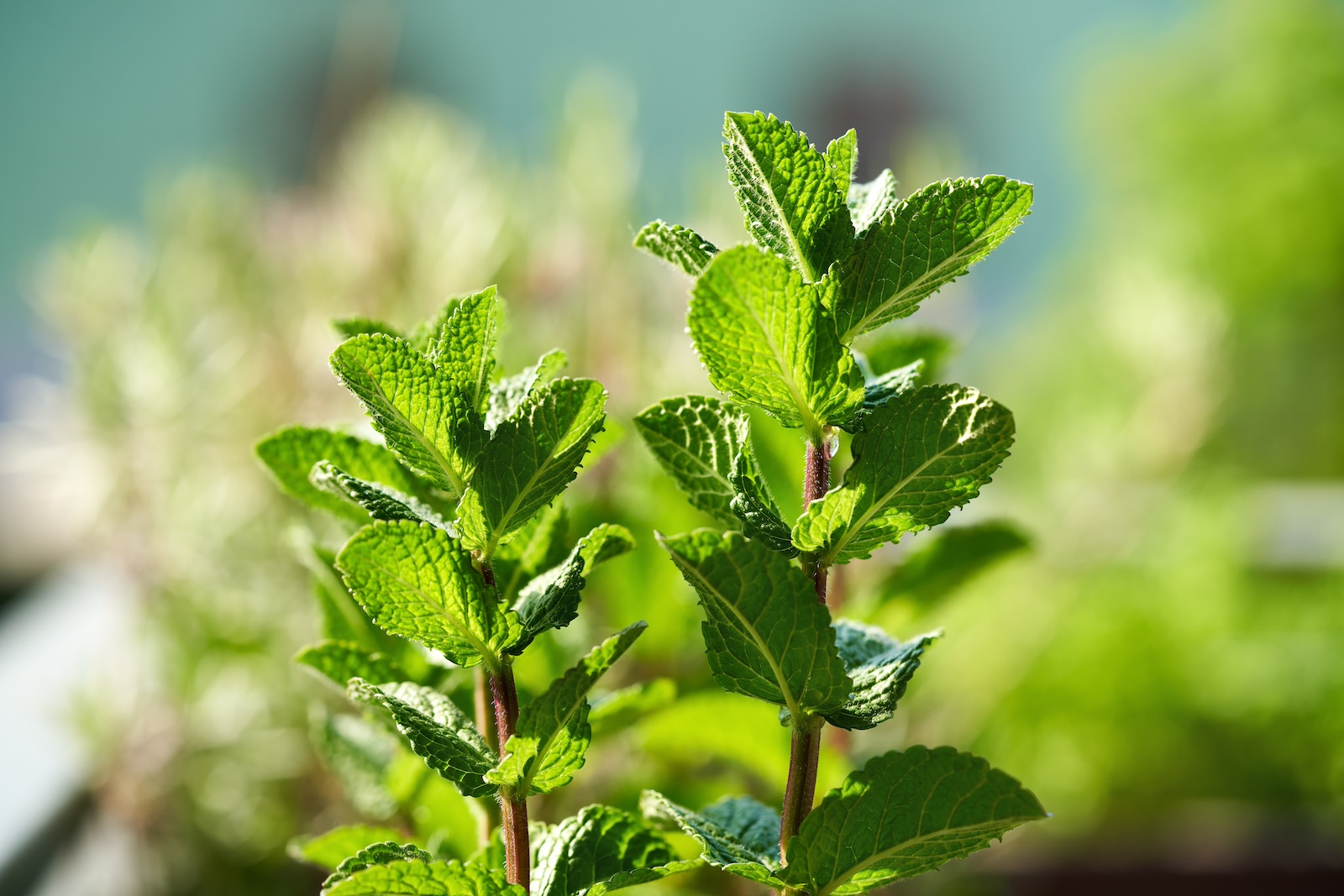
Leftover Life Hack
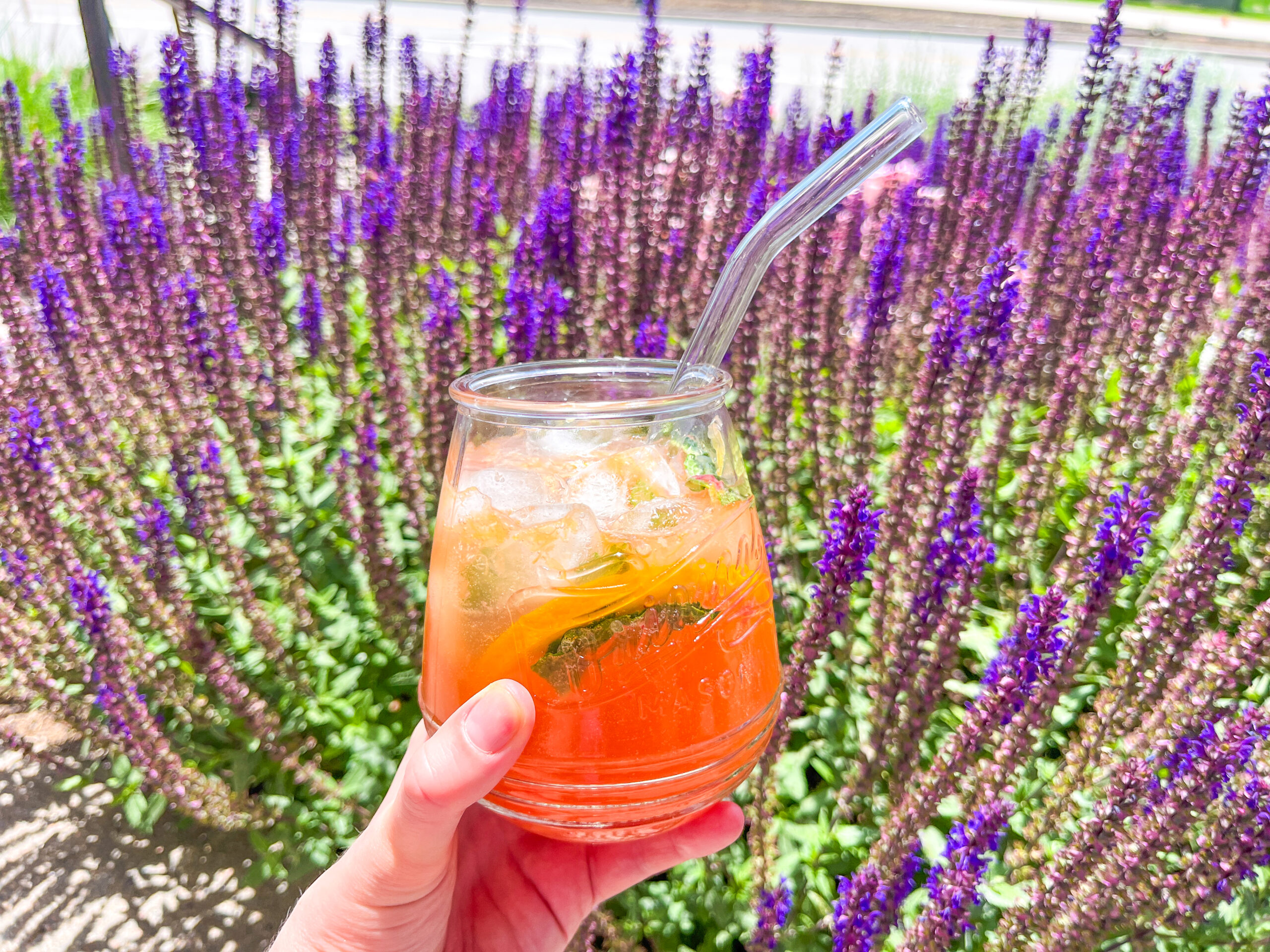
Don’t know what to do with those leftover mint sprigs? Steep them in hot water to make an herbal mint tea (this is especially good for opening up the airways when you have a respiratory illness!).
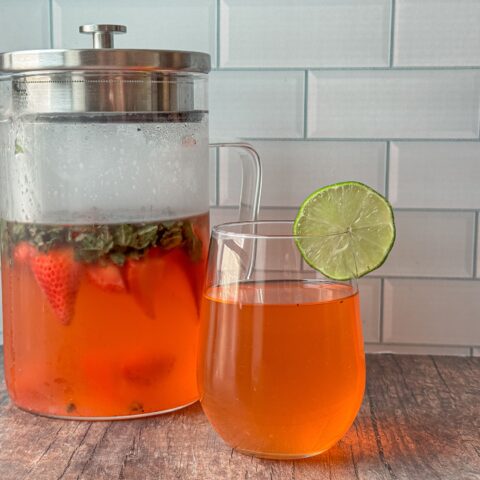
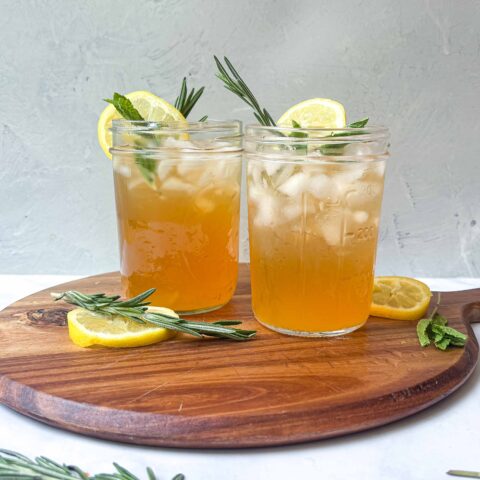
This recipe for Iced Honey Citrus Mint Tea uses prepackaged mint, but you can easily use a few teaspoons of fresh mint in place of the dried stuff—just remember to give it a slap to activate the oils.