Mint Benefits and How to Use Mint in Your Kitchen
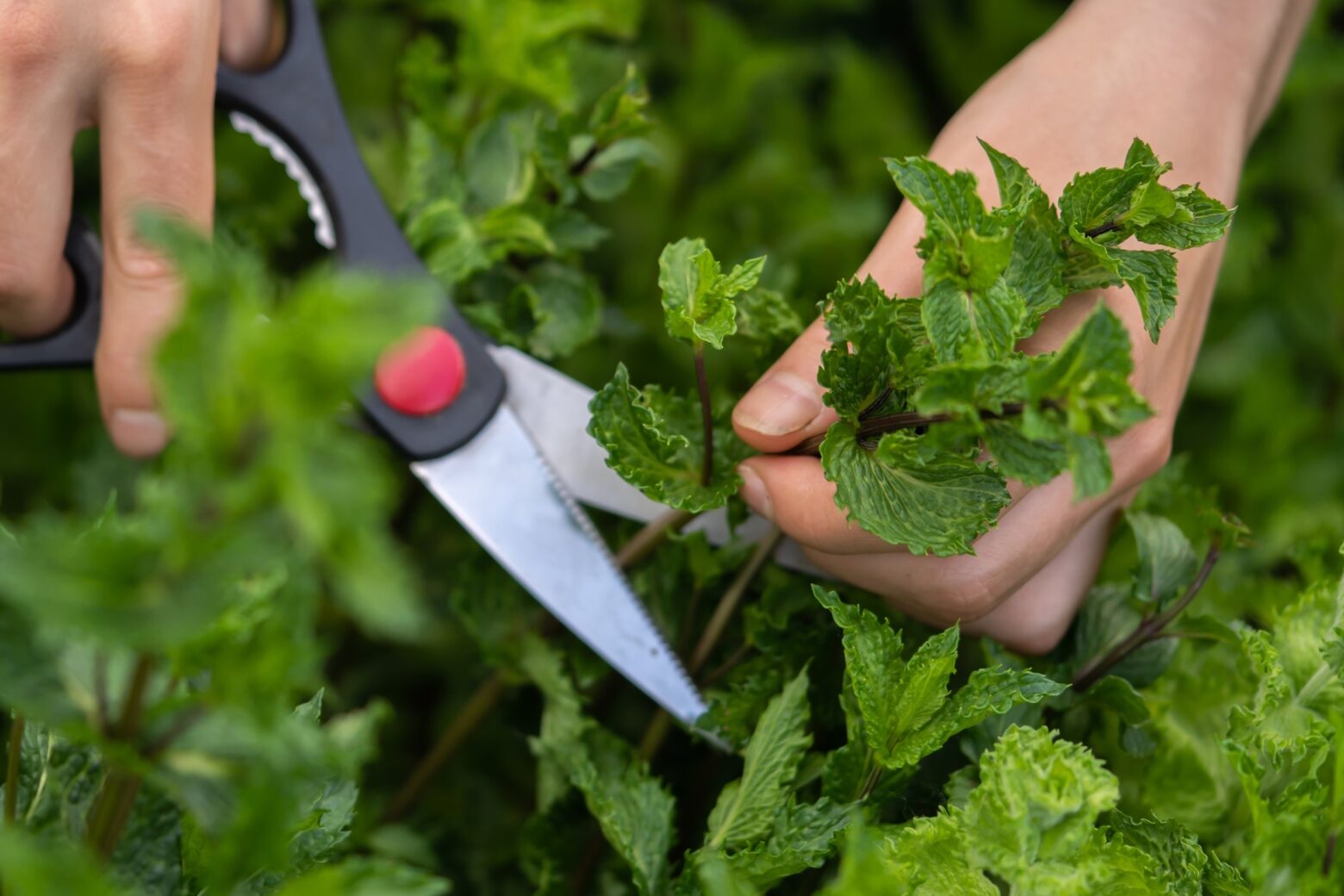
Whether it’s tucked into your toothpaste, muddled into a mocktail, or growing wild along a garden fence, mint is one of the most familiar herbs around. Beyond its refreshing flavor and unmistakable scent, it boasts an impressive nutritional profile. Rich in polyphenols and other beneficial plant compounds, mint has earned a place in traditional medicine for centuries. Here’s what the science says about its health benefits.
What Is Mint?
Mint belongs to the genus Mentha, part of the sprawling Lamiaceae family that also includes basil, rosemary, and sage. Native to Europe, Asia, and parts of Africa, mint is now cultivated around the world, with roughly 30 recognized species of mint, plus countless hybrids, each with a distinct flavor shaped by its unique blend of essential oils.1 Fresh mint leaves are instantly recognizable: bright green, slightly fuzzy, with a serrated edge and an unmistakable burst of cool, minty aroma when crushed between your fingers.

Types of Mint
Spearmint (Mentha spicata) and peppermint (Mentha piperita) are the two most popular varieties, and it helps to know the difference. Peppermint is actually a natural hybrid of spearmint and watermint, and it carries a higher concentration of menthol, giving it a sharper, more cooling bite. Spearmint is sweeter and milder, making it a popular choice for spearmint tea, tabbouleh, and mojitos.
Beyond peppermint and spearmint, gardeners and cooks also enjoy chocolate mint (a peppermint variety with a faint cocoa aroma), apple mint (softer and fruitier), and pineapple mint (a variegated, fruity-scented type). Whichever variety you choose, the peppermint plant and its cousins all share that same aromatic family lineage.
RELATED: 5 Common Pollinated Plants We Use in Everyday Life
Mint Benefits
Mint’s health benefits extend well beyond its role as a garnish. While mint isn’t typically eaten in large quantities, even small amounts contribute beneficial phytochemicals and can be an easy way to bring flavor to a dish. Research shows mint leaves contain a total polyphenolic content of roughly 19 to 23%, with rosmarinic acid as the dominant compound.2 Those compounds are at the heart of many of mint’s most promising health benefits.
Rich in Antioxidant Polyphenols
Rosmarinic acid gets much of the credit for mint’s antioxidant power. One of the most abundant polyphenols in mint, it’s also found in herbs such as rosemary and basil. Researchers are interested in rosmarinic acid because antioxidants help protect cells from damage caused by free radicals. Over time, an imbalance between free radicals and the body’s antioxidant defenses can lead to oxidative stress, which has been linked to aging and many chronic diseases. Alongside rosmarinic acid, mint also contains caffeic acid, ferulic acid, and eugenol, giving it a broad polyphenol profile.3
May Help Relieve Digestive Discomfort
Mint has long been used to calm an upset stomach, and research suggests peppermint oil may help relax the digestive tract, reduce spasms, and ease inflammation. A 2022 meta-analysis found that peppermint oil was more effective than a placebo for relieving overall symptoms of irritable bowel syndrome (IBS), particularly abdominal pain, bloating, and gas.4 The American College of Gastroenterology recommends peppermint oil for overall IBS symptom relief.5
It’s worth noting that most of these studies used concentrated, enteric-coated peppermint oil capsules rather than peppermint tea or fresh mint leaves, so the same benefits haven’t been established for culinary uses of mint. People with gastroesophageal reflux disease may also find that peppermint worsens symptoms because it can relax the lower esophageal sphincter, making it easier for stomach acid to flow back into the esophagus.
May Help Balance Hormones
Researchers have been studying spearmint tea for its potential role in supporting hormonal balance, particularly in women with polycystic ovary syndrome. In a randomized controlled trial, women who drank spearmint tea twice daily for a month saw significant reductions in free and total testosterone, along with improvements in excess facial and body hair.6 Researchers believe spearmint’s compounds may have anti-androgenic effects, though studies remain small and short-term, so more are needed.
May Support Oral Health
Mint’s refreshing flavor isn’t the only reason it appears in so many oral care products. Research suggests the essential oils found in mint have natural antimicrobial properties that may help reduce the growth of certain bacteria linked to bad breath, plaque, and gum disease. In a small pilot study, a blend of mint oils reduced the abundance of several bacteria associated with halitosis and periodontal disease, though larger studies are needed to confirm these findings and better understand mint’s long-term effects on oral health.7
How to Grow Mint Indoors
If you’d like a steady supply of fresh mint on hand, growing mint indoors is simple. Start with a container at least 12 inches deep with good drainage—mint’s aggressive roots need room, and standing water will quickly rot them. Use a well-draining potting mix and place your mint plant in a sunny, south- or east-facing window, rotating the pot every few days so it grows evenly. Water when the top inch of soil feels dry, and don’t be afraid to snip stems often; regular harvesting encourages new growth.8
RELATED: The Best Herbs for Your Indoor Garden
How to Select and Store Mint
When shopping for fresh mint, look for vibrant green leaves without dark spots, wilting, or sliminess, and give the bunch a gentle squeeze—it should smell fragrant immediately. When storing, use one of the following methods:
- Damp towel method: Wrap the bunch loosely in a damp paper towel and place it in a sealed bag in the fridge; it should stay fresh for up to three weeks.
- Water jar method: Trim the stems and stand the bunch upright in a glass of water like a bouquet, covering loosely with a bag; refresh the water every couple of days for up to two weeks of freshness.
- Freeze extra mint leaves in ice cube trays with a little water or olive oil for longer storage.
Avoid washing mint until you’re ready to use it, since excess moisture speeds up wilting.9
Cooking with Mint
Fresh mint’s bright, cooling flavor works with everything from savory dishes to desserts and beverages. Fold torn fresh mint into fruit salads or blend it into a simple mint pesto to spoon over grilled lamb or chicken. Mint recipes worth keeping in rotation include cucumber-mint salads, herb-packed tabbouleh, and mint-infused vinaigrettes.
For something warm and soothing, steep fresh or dried leaves for a cup of spearmint tea, peppermint tea, or a simple mint tea blend—a naturally caffeine-free way to end a meal or settle your stomach. Muddled fresh mint also brightens sparkling water, iced tea, and mocktails for a refreshing, Paleo-friendly drink.
Whether you’re stirring it into tea, tossing it onto salads, or growing a pot on your windowsill, mint is an easy way to add fresh flavor and an extra dose of beneficial plant compounds to everyday meals.
Resources
- Mint – an overview | ScienceDirect Topics [Internet]. Sciencedirect.com. 2009. Available from: https://www.sciencedirect.com/topics/food-science/mint
- Brown N, John JA, Shahidi F. Polyphenol composition and antioxidant potential of mint leaves. Food Production, Processing and Nutrition. 2019 Sept 3;1(1).
- Kowalczyk A, Ignazio C, Igor Jerković. The Role of Rosmarinic Acid in Cancer Prevention and Therapy: Mechanisms of Antioxidant and Anticancer Activity. Antioxidants [Internet]. 2024 Oct 28;13(11):1313–3. Available from: https://www.mdpi.com/2076-3921/13/11/1313
- Alammar N, Wang L, Saberi B, Nanavati J, Holtmann G, Shinohara RT, et al. The impact of peppermint oil on the irritable bowel syndrome: a meta-analysis of the pooled clinical data. BMC Complementary and Alternative Medicine. 2019 Jan 17;19(1).
- National Center for Complementary and Integrative Health. Peppermint Oil [Internet]. NCCIH. 2020. Available from: https://www.nccih.nih.gov/health/peppermint-oil
- Grant P. Spearmint herbal tea has significant anti-androgen effects in polycystic ovarian syndrome. A randomized controlled trial. Phytotherapy research : PTR [Internet]. 2010;24(2):186–8. Available from: https://www.ncbi.nlm.nih.gov/pubmed/19585478
- Abdelrahman SM, Manar El Samak, Lamis M. F. El-Baz, Amro, Prabodh Satyal, Dosoky NS. Effects of Mint Oils on the Human Oral Microbiome: A Pilot Study. Microorganisms [Internet]. 2024 July 27;12(8):1538–8. Available from: https://www.mdpi.com/2076-2607/12/8/1538#B28-microorganisms-12-01538
- Jay S. How to Grow Mint Indoors Successfully [Internet]. Epic Gardening. 2021. Available from: https://www.epicgardening.com/growing-mint-indoors/
- How to Store Mint So It Stays Fresh for Weeks [Internet]. Kitchn. Available from: https://www.thekitchn.com/gardening-101-how-to-preserve-fresh-mint-for-later-220864
Maureen Farrar
Maureen Farrar has spent more than 20 years as a writer and editor for several print and digital outlets. She writes about health, fitness and nutrition.
More About The Author
Grocery Shopping




The Paleo Diet® Newsletter
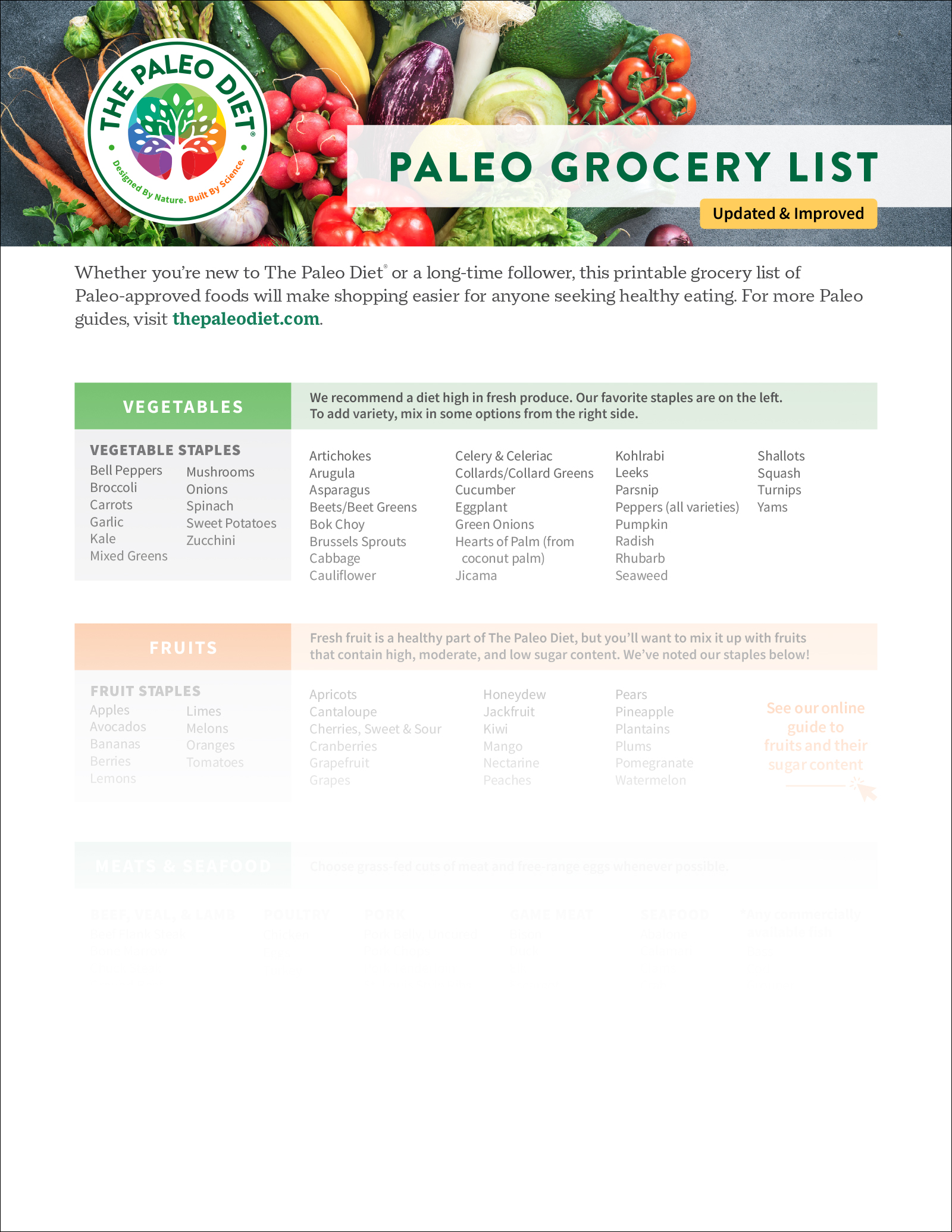
Sign up to get info on healthy nutrition, free recipes, meal prepping, and the latest health research. New subscribers will also receive our Official Paleo Grocery List!
