Pineapple Benefits & Culinary Tips
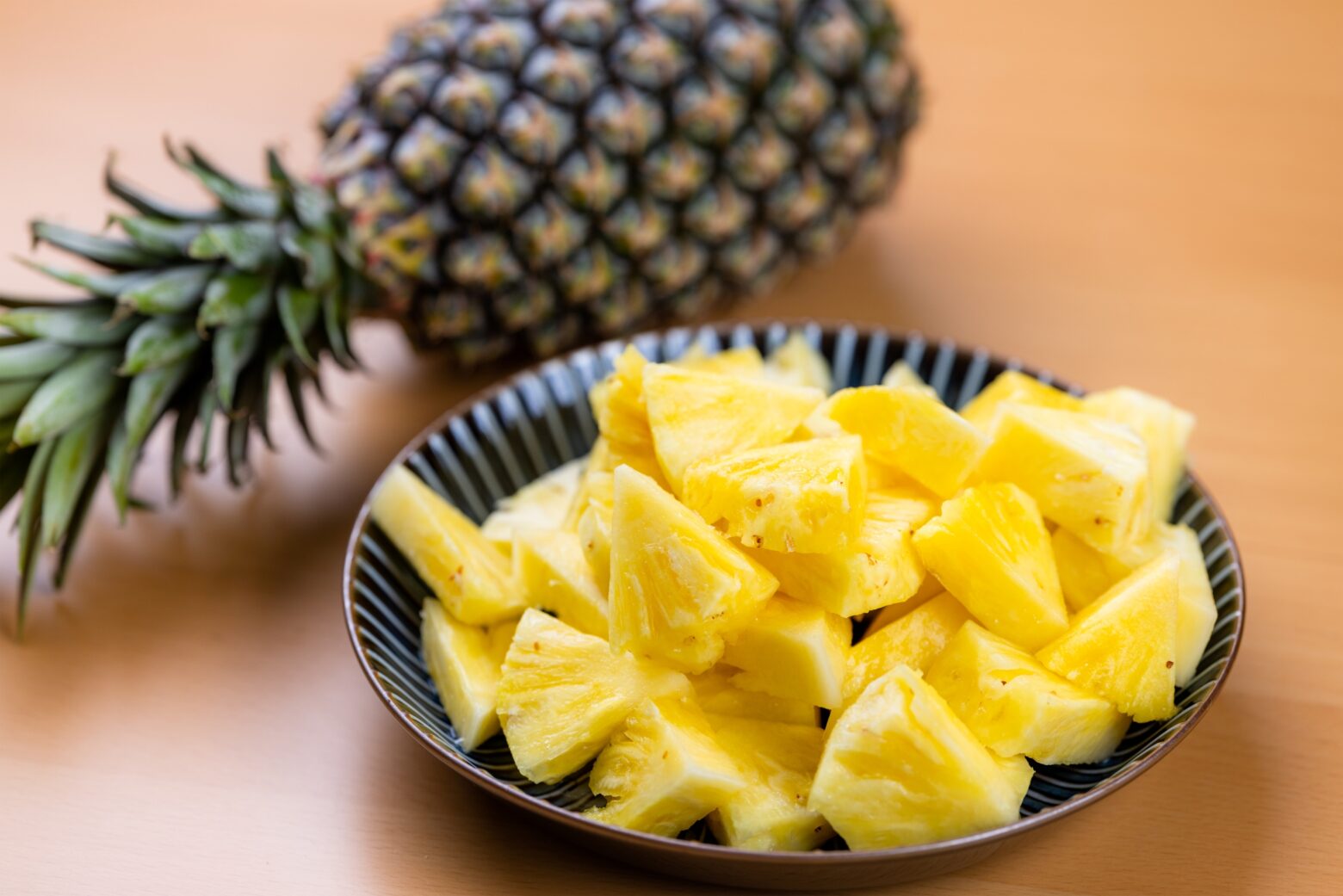
With a curious shape and sweet-tart flavor, pineapples are a beloved tropical fruit enjoyed around the world. They are a versatile ingredient that can be added to many healthy dishes—from morning smoothies and dinner entrees to evening mocktails. Here, we explore pineapple’s benefits and nutrient profile, as well as tips on how to select, cut, and propagate your own pineapple.
A History of Pineapple
The pineapple is a type of bromeliad that originates from a South American region including modern-day Brazil, Paraguay, and Argentina.1 Indigenous peoples traditionally used many parts of the fruit for medicinal purposes, from digestive issues to wound healing.1,2 With the arrival of the Portuguese, the pineapple was quickly disseminated throughout other warm climates in the 1500s, including Africa and India.3

As European colonizers brought pineapples back from the New World, they learned to cultivate them in intricate and expensive hothouses, turning the exotic fruit into a cultural status symbol.1 By the 18th century, pineapples had become more common in Europe and North America, and had transformed into a symbol of hospitality.
The first commercial pineapple crop was established in Hawaii in 1886, after the Spanish brought the fruit to the island nation. Through a combination of advertising, new canning technology, and cheap labor, Hawaii became the most dominant pineapple producer for nearly 100 years. Today, the biggest pineapple growers are Brazil, China, Costa Rica, India, and Thailand.3
Is Pineapple Good for You?
An average serving of pineapple (140 grams) contains enough immune-boosting vitamin C to fulfill U.S. recommended dietary allowances, plus hydrating electrolytes like calcium, magnesium, and potassium.4,5 Of these electrolytes, it’s most abundant in potassium, a key micronutrient to balance against a high-sodium Western diet.
Pineapple is rich in of a group of antioxidants known as flavonoids, especially quercetin and kaempferol.6 These compounds can exhibit anti-inflammatory benefits that are associated with a reduced risk of chronic diseases such as cardiovascular disease, diabetes, and cancer.
The most notable bioactive compound found in pineapple is bromelain, an enzyme that has found uses in supplements, pharmaceuticals, cosmetics, and food processing.2 Bromelain is effective at breaking down dietary proteins, making it excellent for digestive support. That grilled pineapple you get at the end of a meal in a Brazilian steakhouse? It’s not just a sweet treat: the bromelain from the fruit helps your body break down and absorb the meat.
Bromelain has a wealth of other biological effects, too. A 2024 systematic review counted among its potential benefits:2
- Blood clot prevention and improved circulation
- Promotion of immune cells and immune function support
- Anti-inflammatory and pain-relieving effects
- Reduced swelling and bruising
- Tissue and blood vessel repair
- Inhibition of pathogenic bacterial growth and tumor growth
- Longevity through reduced senescence (a process in aging where cells stop dividing but don’t die)
The review also suggests that the anti-inflammatory and antioxidant benefits of bromelain may be due to it functioning synergistically with vitamin C. What’s more, bromelain is absorbed and stored well in the body, so it does not necessitate cooking or ingestion with other foods to enjoy its health benefits.7
How Do Pineapples Grow?
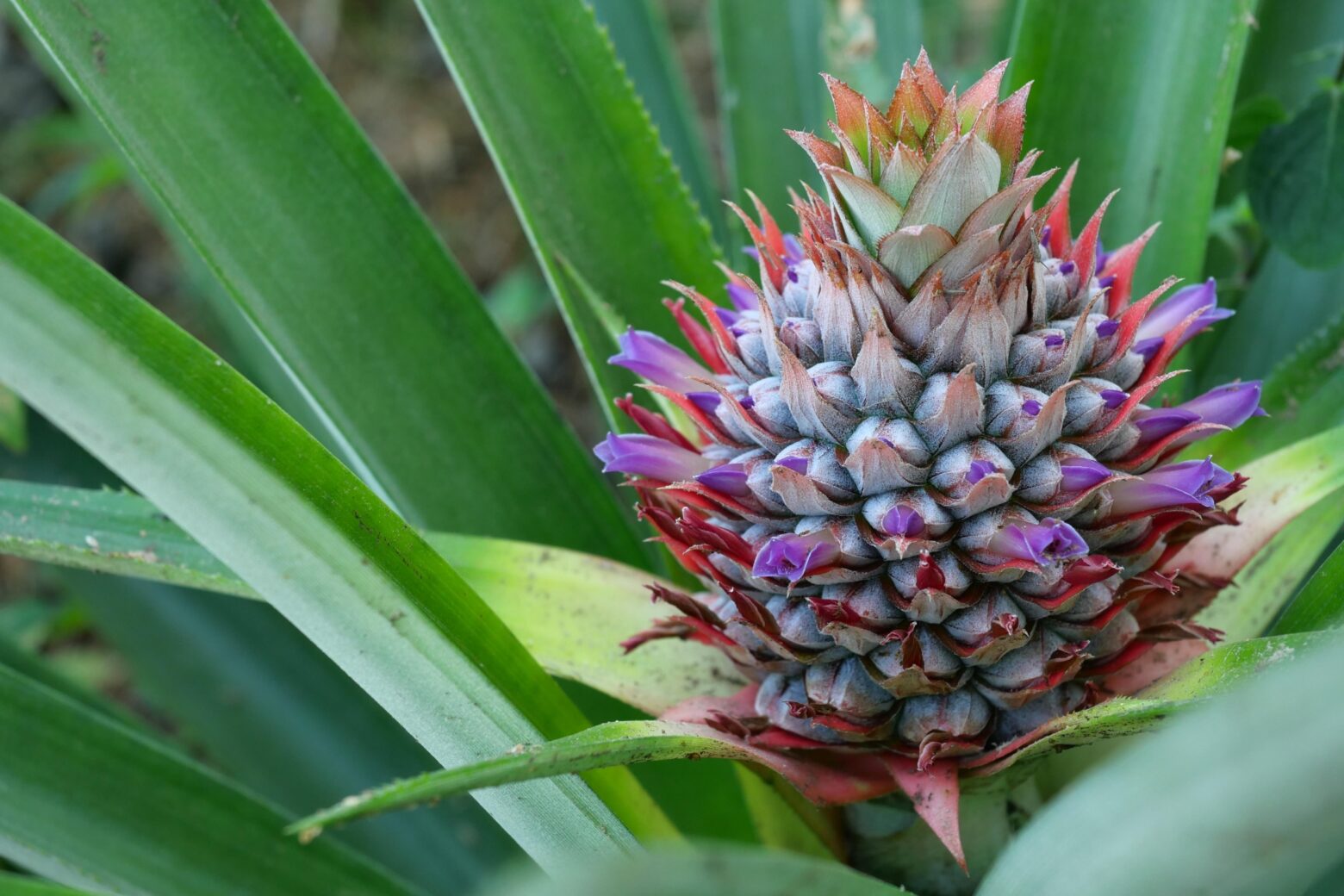
One might expect, due to pineapple’s size and weight, that this fruit is suited for growing on trees. In reality, pineapples come from short plants with long, sharp leaves that grow in a spiral from the center, much like the other bromeliads in their family. The fruit begins as a cluster of flowers that become fleshy and fuse together, classifying it as a “multiple fruit,” botanically.3
Because they are tropical fruits, pineapple plants enjoy hot, humid temperatures and long hours in bright sunlight. Most Americans are unable to cultivate pineapples in their backyard gardens, but they can still be propagated indoors, and may even bear fruit under the right conditions (and with a little patience):8
- Start with a ripe pineapple with a fresh crown of leaves (dry or browning leaves may mean it’s past its time).
- Twist or cut off the crown where the base meets the fruit.
- Pluck the bottom leaves until about an inch is exposed, looking for brown nubs (called nodes) that will turn into roots.
- Let the crown dry out for about a week, out of sunlight.
- Submerge the plucked part of the crown in water for several weeks, still out of direct sunlight. Replace the water often.
- Once the roots are about an inch long, transfer the crown to a pot with well-draining soil.
After the pineapple takes root, the leaves of the crown should proliferate. But don’t expect to harvest right away—it can take two years for a pineapple plant to bear fruit.
How to Tell If Pineapple Is Ripe
Unlike other fruits, pineapples do not ripen after they have been picked, so it’s important to choose a pineapple that was harvested at maturity. The eyes are the best tell—the pointy, hexagonal shapes covering the flesh of the fruit. Look for eyes that are an even size (smaller eyes toward the top of the fruit are a sign it was picked too early) and select pineapples that are mostly golden, as overly green ones are not sweet enough and browned ones may be rotting from the inside.9,10
How to Cut a Pineapple10
- Twist off the crown.
- Cut in half lengthwise, then in quarters. Trim ends.
- Remove the tough core and outer shell.
- Cut crosswise into bite-size pieces.
Prepped fruit will keep in an airtight container in the fridge for several days up to a week.
Healthy Pineapple Recipe Ideas
Whether raw or cooked, pineapple is a lively ingredient that can lend itself to both sweet and savory dishes. Try it blended into a morning post-workout smoothie or unwind at the end of the day with a pineapple-forward mocktail. Make it the star of your side dishes or dinner entrees the next time you cook. Or simply take a cue from Brazilian steakhouses and offer grilled pineapple at the end of a protein-rich meal to support digestion.
If you don’t have fresh pineapple where you live, you can still enjoy this beneficial fruit canned (in juice, not syrup) or frozen. These minimal processing methods can still provide plenty of the same nutrients as the whole food, and you’ll save time prepping it yourself.
References
- Blakely, J. (2021, January 28). The Prickly Meanings of the Pineapple – Smithsonian Libraries / Unbound. Smithsonian. https://blog.library.si.edu/blog/2021/01/28/the-prickly-meanings-of-the-pineapple/
- Kansakar, U., Trimarco, V., Manzi, M. V., Cervi, E., Mone, P., & Santulli, G. (2024). Exploring the Therapeutic Potential of Bromelain: Applications, Benefits, and Mechanisms. Nutrients, 16(13), 2060. https://doi.org/10.3390/nu16132060
- Petruzzello, M. (2019). pineapple | Description, History, & Facts | Britannica. In Encyclopædia Britannica. https://www.britannica.com/plant/pineapple
- (2022, October 28). Pineapple, raw. FoodData Central; U.S. Department of Agriculture. https://fdc.nal.usda.gov/food-details/2346398/nutrients
- National Institute of Health. (2021, March 26). Vitamin C. National Institutes of Health; National Institutes of Health. https://ods.od.nih.gov/factsheets/VitaminC-HealthProfessional/
- Chomphen, L., Yamanont, P., & Morales, N. P. (2024). Flavonoid Metabolites in Serum and Urine after the Ingestion of Selected Tropical Fruits. Nutrients, 16(1), 161. https://doi.org/10.3390/nu16010161
- Varilla, C., Marcone, M., Paiva, L., & Baptista, J. (2021). Bromelain, a Group of Pineapple Proteolytic Complex Enzymes (Ananas comosus) and Their Possible Therapeutic and Clinical Effects. A Summary. Foods, 10(10), 2249. https://doi.org/10.3390/foods10102249
- Lallo, A. R. D. (2019, March 9). Pineapple Propagation: 9 Easy Steps to Root a Fruit Top. Houseplant Care Tips. https://www.ohiotropics.com/2019/03/09/growing-a-pineapple/
- Carter, M. M. (2024, April 9). How to pick the perfect pineapple with this trick. USA TODAY. https://www.usatoday.com/story/money/problem-solved/2024/04/09/how-to-pick-a-pineapple/73127641007/
- Pineapple | Dole. (2026). Dole. https://www.dole.com/produce/pineapple
Andrea Dehnke
Andrea is the Content Manager at The Paleo Diet and has experience working with several health and nutrition publications.
More About The Author
Cooking



The Paleo Diet® Newsletter
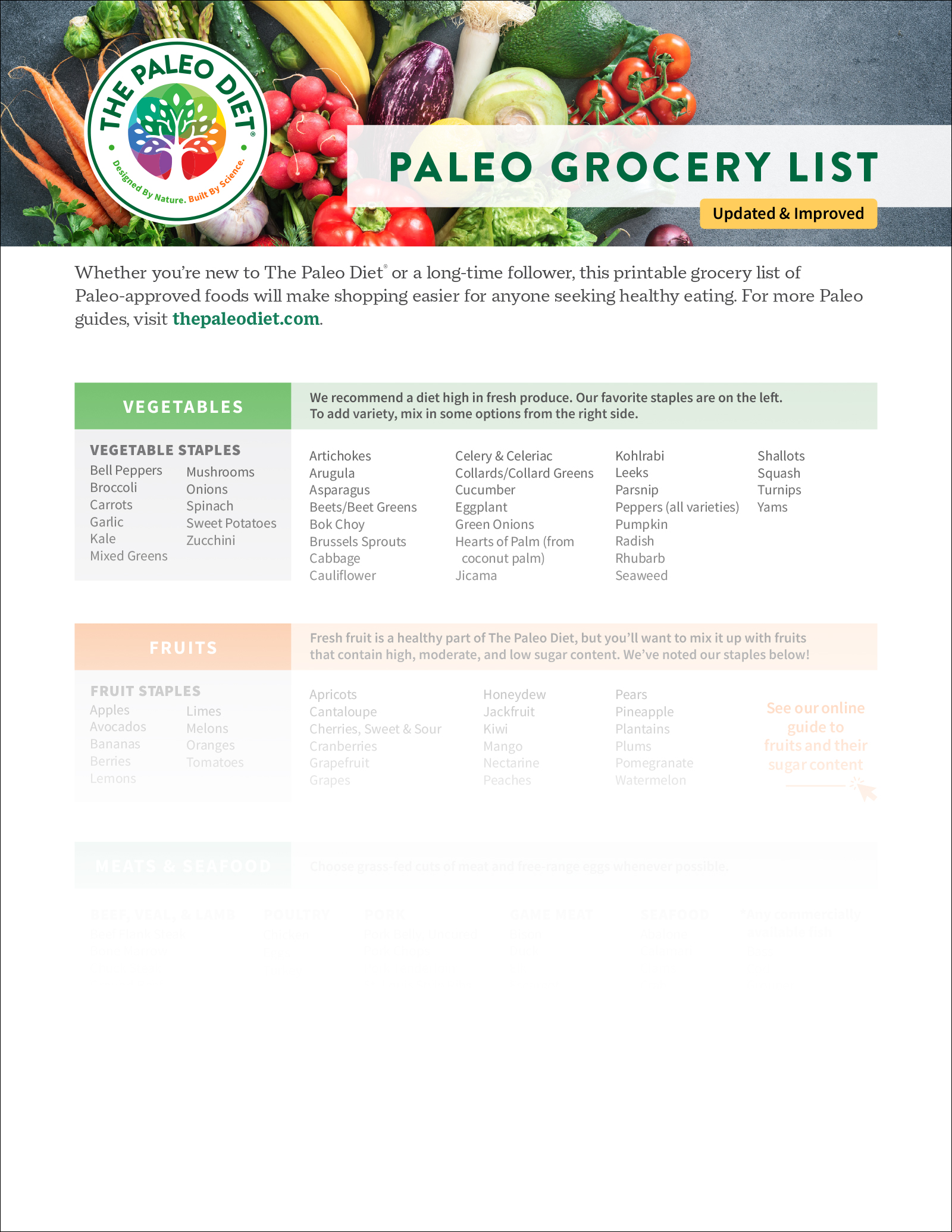
Sign up to get info on healthy nutrition, free recipes, meal prepping, and the latest health research. New subscribers will also receive our Official Paleo Grocery List!
