Are Microwaves Bad for You?
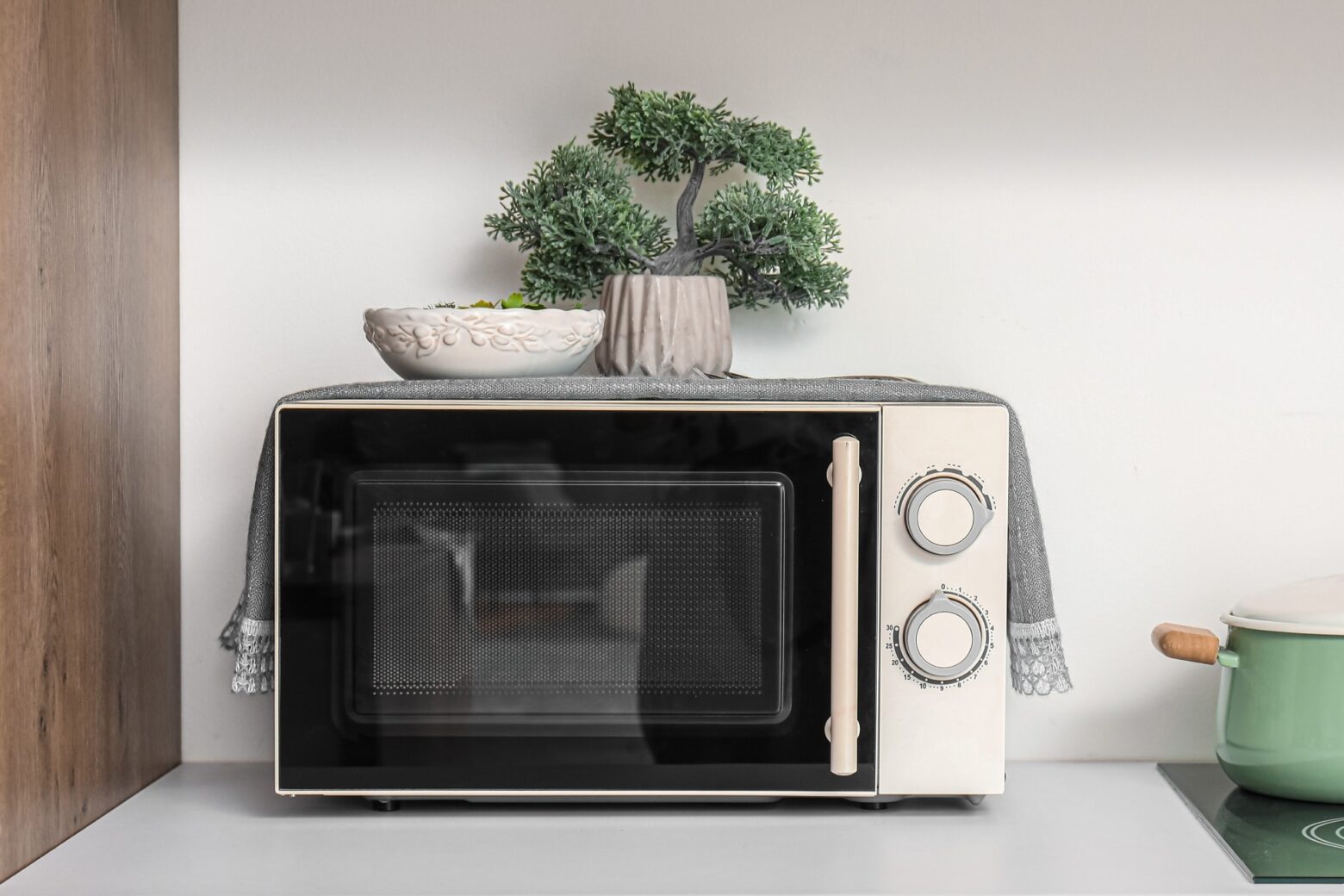
My family never had a microwave. When friends came over, they’d tease me, saying I was living in the ’40s. After they left, I’d go to my mom and ask why we didn’t have one. After all, it heats food in minutes without making a mess.
My mom always gave the same short answer: “Because they cause cancer,” with no room for debate. Now, as an adult, I find myself wondering, was she right? Are microwaves bad for you?

How Do Microwaves Work?
To get to the bottom of this, let’s start with the basics. According to the United States Environmental Protection Agency (EPA), a microwave functions by using concentrated electromagnetic waves—specifically in the microwave spectrum—“that penetrate food, causing some molecules to vibrate and generate heat which is transferred throughout the food.”1
Potential Dangers of Microwaves
While the energy that heats or cooks the food is technically radiation, according to the EPA it’s non-ionizing, meaning it’s not radioactive. In fact, microwaves are built to contain all the energy being released inside the oven. If the door is shut, no energy should be getting out.1,2 However, if a microwave is broken or tampered with, it can emit harmful radiation.
Therefore, as long as you’re using a microwave properly and it’s in good working condition, it shouldn’t pose a threat to your health. However, microwaves get their bad reputation because it depends on what materials you are heating inside them. Especially plastics.
A 2023 study examined the effects of microwaving plastics and found that they can release millions to billions of microplastics and nanoplastics into food when heated, which are then consumed and may be linked to a range of potential negative health effects.3 Even plastics deemed “microwave safe” can leach microplastics into food.
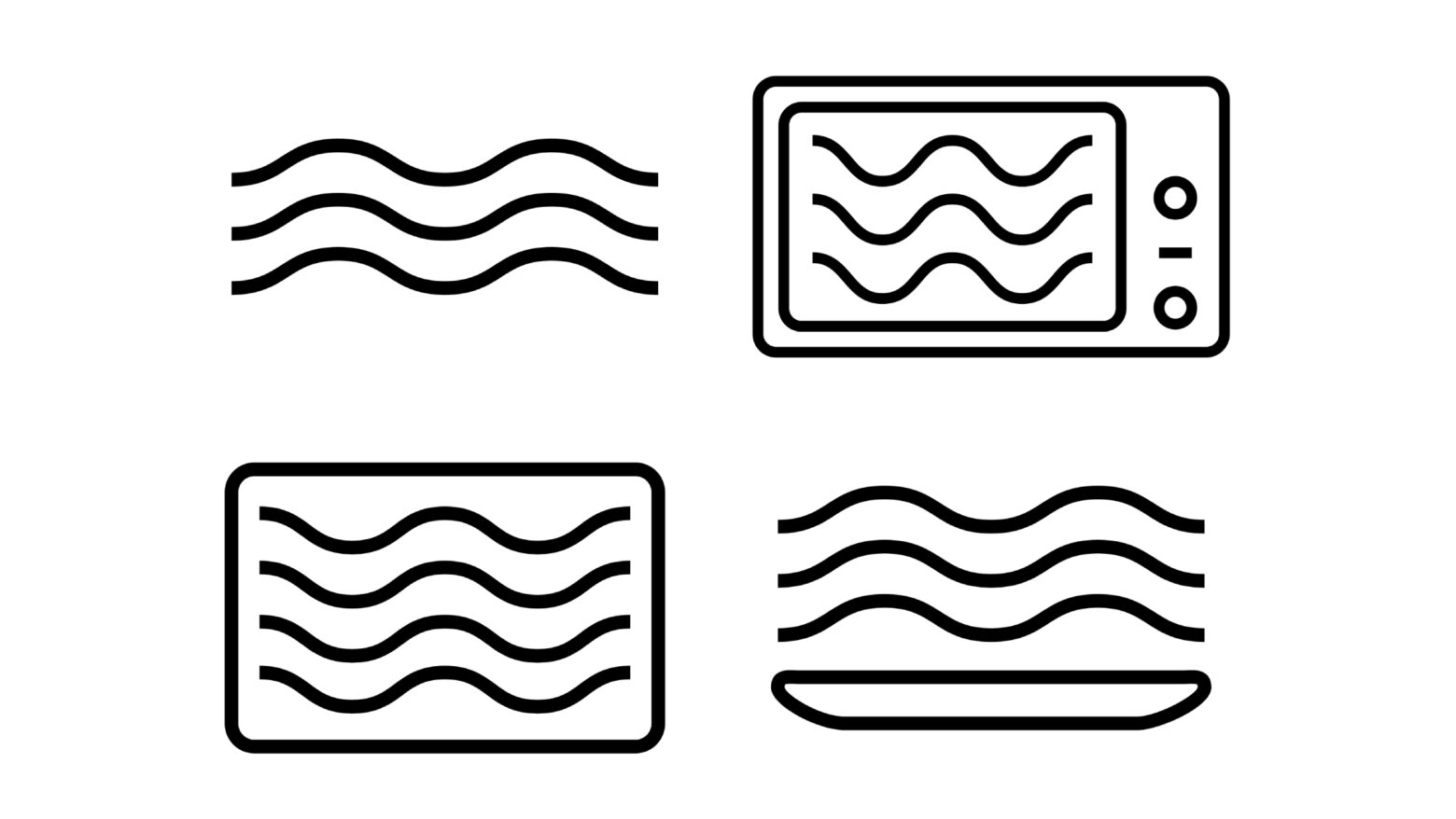
Glass and certain ceramics are considered safe to store and microwave food in. If you’re unsure whether the material you’re trying to microwave is safe, there’s usually a symbol on the bottom depicting a microwave and/or three wavy lines stacked on top of each other.
Does Microwaving Food Affect the Nutrients?
Microwave safety is not just about whether the radiation is harmful to your health, but also how microwaving can affect the nutrient levels in your food. A 2007 study found that longer cook times and higher amounts of water can lead to greater nutrient loss.4 A 2009 study came to the same conclusion, but compared microwaving to other methods of cooking like boiling, pressure cooking, griddling, frying, and baking. The research showed that microwaving preserves more antioxidants in certain foods than pressure-cooking and boiling do.5 Therefore, fewer nutrients are lost in microwaving.
Does Microwaving Food Change the Texture?
Have you ever microwaved a leftover piece of chicken, only to take a bite and be met with a rubbery texture? Not to mention, the closer you get to the center, the colder it gets?
This often happens because microwaves heat food differently than an oven or stovetop. Instead of creating dry, even heat that helps cook food from the outside, microwaves vibrate water, fat, and sugar molecules to generate heat on the surface of the food.6 That process can make meats turn chewy, soften foods that were once crispy, and create uneven temperatures if the food isn’t cut or stirred between heating.
If you’re worried about the texture of your food becoming unpleasant after a couple rotations in the microwave, you may want to reheat it another way.
Alternatives to Microwaves
If you choose not to use a microwave, here are some alternatives to heating your food:
- Stovetop: This helps preserve the flavor of the food while heating it more evenly. It works especially well for dishes that can be stirred as they warm up.
- Oven: When you want to keep your ingredients separate, an oven is a great option for reheating leftovers—from whole meals to larger cuts of meat. Even those who use microwaves can reheat food in the oven to keep certain dishes from getting soggy.
- Toaster Oven: This method of heating food functions like a smaller oven. It can offer different settings depending on the type of food you’re warming up, and often preheats faster than an oven if you’re short on time.
- Air Fryer: The latest and greatest way of heating food is through an air fryer. Hot air circulates through a basket, creating a deep-fried cooking effect without using as much oil. This works well for crunchy foods or smaller bites. Just be sure to use an air fryer made without harmful materials.
Microwave Safety
If you choose to continue to use your microwave, be sure to follow the following safety guidelines to help keep yourself safe:
- Do NOT put metal or plastic in the microwave. Metal reflects the electromagnetic waves and can cause a fire. Plastic, on the other hand, breaks down in intense heat and can release harmful chemicals and microplastics into the food.
- Do NOT stand too close to the microwave when it’s in use. Many children may enjoy watching their food spin around as it heats up in the microwave. However, it’s recommended to stand back to avoid any potential harmful rays that could leak out in case the machine is broken or altered.1
- DO cut food before heating and stir in between bursts. The U.S. Department of Agriculture explains that microwaves can heat food unevenly, causing cold spots where harmful bacteria can survive.6 To ensure food is heated all the way through, cut larger portions (like cuts of meat) into pieces and stir in between heating times.
- DO allow for standing time. Food molecules will still generate heat after the microwave has stopped running, causing the temperature to rise. The time it takes for food to continue cooking after microwaving is called “standing time,” and denser foods require longer intervals to reach their optimal temperature than less dense foods.6
The Choice Is Yours
Based on current research, microwaves appear to be safe when they’re used properly and in good working condition. The biggest concerns often come from how they’re used, such as heating unsafe materials like plastic or using damaged appliances. If those risks don’t sit right with you, there are plenty of alternatives for reheating your food. At the end of the day, the best choice is the one that aligns with your health priorities, comfort level, and the way you want to cook.
References
- Non-Ionizing Radiation Used in Microwave Ovens | US EPA. (2018, November 27). US EPA. https://www.epa.gov/radtown/non-ionizing-radiation-used-microwave-ovens#microwave-ovens
- American Cancer Society. (2022, October 28). Does RF Radiation Cause Cancer? | American Cancer Society. Www.cancer.org. https://www.cancer.org/cancer/risk-prevention/radiation-exposure/radiofrequency-radiation.html
- Kazi Albab Hussain, Romanova, S., Ilhami Okur, Zhang, D., Kuebler, J., Huang, X., Wang, Q., Fernandez-Ballester, L., Yong Feng Lu, Schubert, M., & Li, Y. (2023). Assessing the Release of Microplastics and Nanoplastics from Plastic Containers and Reusable Food Pouches: Implications for Human Health. Environmental Science & Technology, 57(26). https://doi.org/10.1021/acs.est.3c01942
- López-Berenguer, C., Carvajal, M., Moreno, D. A., & García-Viguera, C. (2007). Effects of Microwave Cooking Conditions on Bioactive Compounds Present in Broccoli Inflorescences. Journal of Agricultural and Food Chemistry, 55(24), 10001–10007. https://doi.org/10.1021/jf071680t
- Ask the doctor: Microwave’s impact on food | Harvard Health. (2015, June 12). Harvard Health. https://www.health.harvard.edu/healthy-aging-and-longevity/ask-the-doctor-microwaves-impact-on-food
- Cooking with Microwave Ovens | Food Safety and Inspection Service. (2012). Usda.gov. https://www.fsis.usda.gov/food-safety/safe-food-handling-and-preparation/food-safety-basics/cooking-microwave-ovens
Isabella Mead
Isabella Mead has experience in creating digital content for lifestyle and nutrition brands.
More About The Author
Cooking
The Paleo Diet® Newsletter
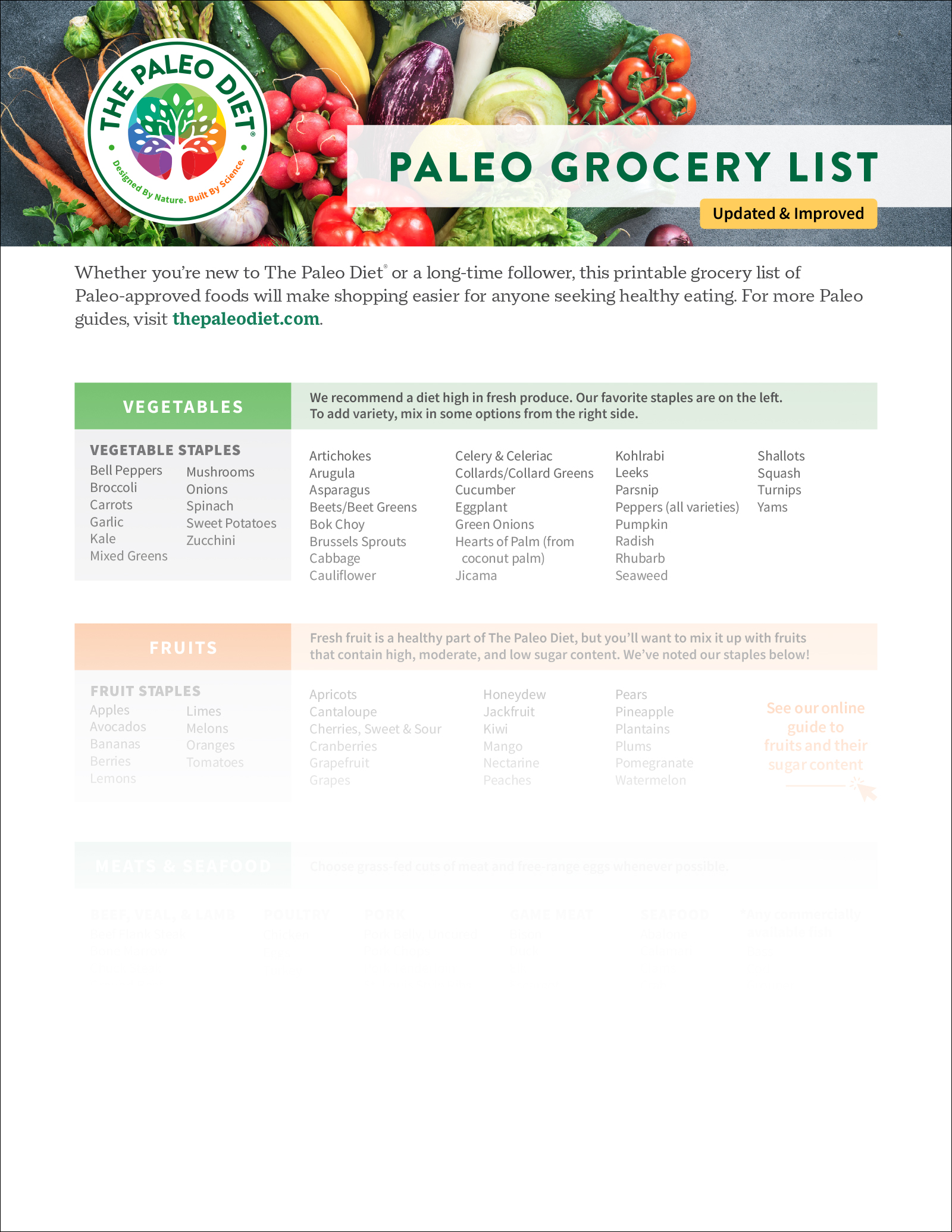
Sign up to get info on healthy nutrition, free recipes, meal prepping, and the latest health research. New subscribers will also receive our Official Paleo Grocery List!
