Should You Be Supplementing?

What You’ll Learn
Supplements aren’t meant to serve as nutritional insurance. This article explains why The Paleo Diet® emphasizes getting nutrients from whole foods first and offers practical ways to meet nutrient needs through food. You’ll learn how different vitamins behave in the body, when supplementation may help (and when it doesn’t), and why correcting deficiencies isn’t the same as supporting long-term health.
Walk down the vitamin aisle of any store and you’ll see shelves lined with capsules promising better immunity, sharper focus, stronger bones, longer life, and a plethora of other health benefits. For many people, these supplements have become a kind of nutritional insurance, used to cover perceived gaps in modern diets and lifestyles.
The Paleo Diet has long pushed back on this idea. Not because the nutrients being promoted don’t matter, but because how nutrients are delivered matters just as much as getting the right amounts. As research continues to reshape how we think about vitamins, minerals, and aging, we’re revisiting the Paleo stance on supplements and where evidence-based use may still make sense.
Why The Paleo Diet Focuses on Food First
The foundation of The Paleo Diet has always been simple: prioritize whole, nutrient-dense foods. That’s because meat, seafood, vegetables, fruits, eggs, nuts, seeds, herbs, and spices provide vitamins and minerals the human body needs to thrive. And, alongside the primary nutrients, we also get thousands of other compounds that influence how those nutrients are absorbed, regulated, and used when eating whole foods.
That position hasn’t changed. What has evolved is the understanding of how nutrients work together in the body.
Survival Nutrients vs. Longevity Nutrients
Modern Paleo thinking on supplements builds on the work of biochemist Dr. Bruce Ames, whose triage theory offers a useful framework for understanding nutrition and aging.1 In this theory, Ames distinguishes between survival nutrients and longevity nutrients. Survival nutrients are the bare minimum your body needs to function—when they’re lacking, the effects usually show up fast. Longevity nutrients, on the other hand, support DNA repair, mitochondrial function, antioxidant defenses, and other processes that protect the body from slow, cumulative damage over time.
According to the triage theory, when nutrient intake is only marginally adequate, the body prioritizes short-term survival. Over time, that means the body puts less energy into long-term repair, and damage can build up without obvious warning signs. This helps explain why someone can appear healthy, meet recommended dietary allowances, and still experience accelerated aging beneath the surface.
This concept of longevity nutrients has led some to argue that supplementation should play a role in modern diets.
Supplements Aren’t Harmless: Understanding the Risks
At first glance, the concept of longevity nutrients might seem to support routine supplementation. After all, large segments of the population fall below recommended intakes for several vitamins and minerals, and we’re only beginning to understand the impact of longevity nutrients.
But as The Paleo Diet’s Chief Science Officer Mark J. Smith, PhD, explains in Paleo for Life, a supplement may provide one nutrient you know you need, while displacing hundreds of longevity nutrients you don’t yet know to look for by skipping whole foods. Not to mention there are so many longevity nutrients that they can’t all be supplemented in the ratios we need.
Additionally, “Vitamins and minerals are not ‘more is better’ nutrients,” says Jordan Glenn, PhD and Head of Science at the supplement tracking company SuppCo. “They’re more like ‘enough is best,’” And not all vitamins behave the same way in the body or act optimally on their own, which is especially important when considering supplementing.
Fat-Soluble Vitamins Can Accumulate
Fat-soluble vitamins like A, D, E, and K don’t just pass through the body. They’re stored for later, which helps during shortages but raises the risk of buildup when intake is high.
High-dose supplementation of fat-soluble vitamins has been associated with toxicity,2 a risk that’s far less common when those nutrients come from food. Vitamin A is a good example. It’s essential for vision and immune health, but getting too much, especially from supplements, has been linked to bone loss and other unwanted effects.
Vitamin D also deserves mention, as it’s often discussed alongside concerns about toxicity. However, newer research suggests that appropriate supplementation is safe for most adults when guided by need.
Water-Soluble Vitamins Aren’t Risk Free
Water-soluble vitamins, including vitamin C and B vitamins, are generally excreted in urine. This lowers the risk of accumulation, but it doesn’t mean unlimited intake of these supplements is harmless.3 For example, chronic high intakes of certain B vitamins have been linked to nerve damage and liver stress. Even if you’re excreting the excess, you’re still paying for it in the form of “expensive urine,” says Dr. Glenn. Thankfully, it’s difficult to hit toxicity levels of certain nutrients without supplementation.
Stacking Supplements
One of the most common causes of over-supplementation is stacking: combining multivitamins, immune blends, performance products, and specialty supplements without accounting for overlap. This can increase intake of certain nutrients, especially vitamin A, zinc, and B vitamins, beyond safe ranges.
“Over-supplementing usually happens by accident,” Dr. Glenn says. “People stack products without realizing they overlap—a multivitamin plus an immune blend, a greens powder, maybe a pre-workout—and suddenly they’re getting far more of certain nutrients than they realize.”
Supplementation isn’t just a question of what vitamins are best to take. It’s a question of dose, form, and how the body processes excess.
When Supplements Don’t Move the Needle (and Why)
For people without diagnosed deficiencies, supplements frequently fail to deliver the benefits their labels promise. Large‑scale studies have consistently shown that supplement benefits are most pronounced in people who are deficient to begin with, not in those already consuming sufficient nutrients from food.3,4
Another issue is substitution. Supplements can create a false sense of security, encouraging people to rely on pills rather than improving diet quality, sleep, movement, and sun exposure—factors that influence nutrient status in the first place.
What Are the Best Supplements to Take?
Supplementation can be appropriate in specific situations. Modern life doesn’t always mirror ancestral conditions, and certain nutrients can be difficult to obtain consistently, even with a well‑constructed Paleo diet. Here are a few examples:
- Vitamin D: Research shows that low vitamin D levels are widespread and associated with bone loss, immune dysfunction, and increased fracture risk,5 and it’s one of the few supplements The Paleo Diet openly recognizes as potentially necessary. It’s found naturally in fatty fish and egg yolks, but most people don’t consume these foods regularly enough to meet needs through diet alone. Add in limited sun exposure, especially in northern latitudes or for those who spend most of their time indoors, and deficiency becomes common.
- Omega-3 Fatty Acids: Marine omega-3s (DHA and EPA) play essential roles in cardiovascular health, brain structure, and the regulation of inflammation. While fatty fish is the preferred source, supplementation can be appropriate for people who don’t consume it several times per week.
- Magnesium: Magnesium intake is often lower than recommended due to reduced consumption of mineral‑rich foods and modern agricultural practices. It plays a role in hundreds of enzymatic reactions, including vitamin D activation, muscle function, migraine symptoms, and cardiovascular health, making it another candidate for supplementation.
In these cases, targeted supplementation, ideally guided by blood testing, may be appropriate.
Populations at Higher Risk of Deficiency
Targeted supplementation may be appropriate and sometimes even essential for certain populations who can’t get enough nutrients through diet alone. This includes:
- Pregnant and breastfeeding individuals
- Infants and young children
- Older adults with reduced absorption
- People with chronic illnesses or malabsorption conditions
- Individuals with limited food access or highly restrictive diets
In these cases, supplements function as medical or nutritional tools as opposed to a wellness shortcut.
RELATED: The History of Fortified Foods
The Role of Testing
Testing can help identify true deficiencies, but it is not always the first step. Dr. Smith cautions that testing can be overused and unnecessarily costly when diet quality hasn’t been addressed first. For most people, improving dietary variety and nutrient density for several months is a reasonable starting point and can be all they need to solve their deficiencies. Testing becomes more useful when symptoms persist, deficiencies are suspected, or individuals want to fine-tune their health.
How to Meet Your Nutrient Needs Through Paleo Foods
The Paleo Diet is naturally rich in many of the nutrients people supplement. Instead of focusing on what vitamins are best to take, start by covering common nutrient gaps with Paleo-aligned foods.
Vitamin D: Fatty Fish, Eggs, and Sunshine
Vitamin D is one of the few nutrients that can be difficult to obtain from food alone. Fatty fish like salmon, sardines, and mackerel are among the richest dietary sources, with egg yolks providing smaller amounts.
Vitamins A, E, and K: Organ Meats and Leafy Greens
Fat-soluble vitamins A, E, and K are abundant in whole foods, particularly those that modern diets tend to overlook.
- Vitamin A is especially concentrated in liver and other organ meats.
- Vitamin E is found in nuts, seeds, and some vegetables.
- Vitamin K, including K1 and K2 forms, is present in leafy greens and certain animal foods, like ribs. Dark chocolate is also very high in K2.
B Vitamins: Meat and Shellfish
Paleo diets that include adequate animal protein typically provide ample B vitamins, especially when they feature a range of sources. Shellfish, such as clams, oysters, and mussels, are particularly dense in B12 and other micronutrients.
Minerals: Seafood, Nuts, and Seeds
Seafood plays a central role here, providing iodine and selenium that are harder to obtain from land-based foods alone. Nuts and seeds contribute magnesium and trace minerals, while vegetables add potassium and other electrolytes.
Rethinking the Role of Supplements
Supplements can play a role when they correct real deficiencies, support specific life stages, or compensate for environmental mismatches, such as limited sun exposure. But they are not a shortcut to health, and they are no replacement for nutrient-dense foods.
In a culture that equates wellness with more products, The Paleo Diet offers a steadier message: eat real food, prioritize variety, address deficiencies thoughtfully, and let supplements remain what they were always meant to be—supporting actors, not the main event.
References
- Ames, B. N. (2006). Low micronutrient intake may accelerate the degenerative diseases of aging through allocation of scarce micronutrients by triage. Proceedings of the National Academy of Sciences, 103(47), 17589–17594. https://pmc.ncbi.nlm.nih.gov/articles/PMC1693790/
- Pharmacy Times. (n.d.). Understanding the toxicity profiles of fat-soluble vitamins: Insights into vitamins A, D, E, and K. https://www.pharmacytimes.com/view/understanding-the-toxicity-profiles-of-fat-soluble-vitamins-insights-into-vitamins-a-d-e-and-k
- The BMJ. (2020). Health effects of vitamin and mineral supplements. BMJ, 369, m2511. https://www.bmj.com/content/369/bmj.m2511
- U.S. Preventive Services Task Force. (2022). Vitamin, mineral, and multivitamin supplementation to prevent cardiovascular disease and cancer: U.S. Preventive Services Task Force recommendation statement. JAMA, 327(23), 2326–2333. https://jamanetwork.com/journals/jama/fullarticle/2793446
- National Institutes of Health, Office of Dietary Supplements. (2024). Vitamin D: Fact sheet for health professionals. https://ods.od.nih.gov/factsheets/VitaminD-HealthProfessional/
Tiffany Nieslanik
Tiffany is a freelance writer covering health and wellness, parenting, lifestyle, and consumer technology. With a passion for research-backed storytelling and a personal interest in food as medicine, she brings a thoughtful approach to writing about wellness and nutrition.
More About The Author
Perspectives in Science

The Paleo Diet® Newsletter
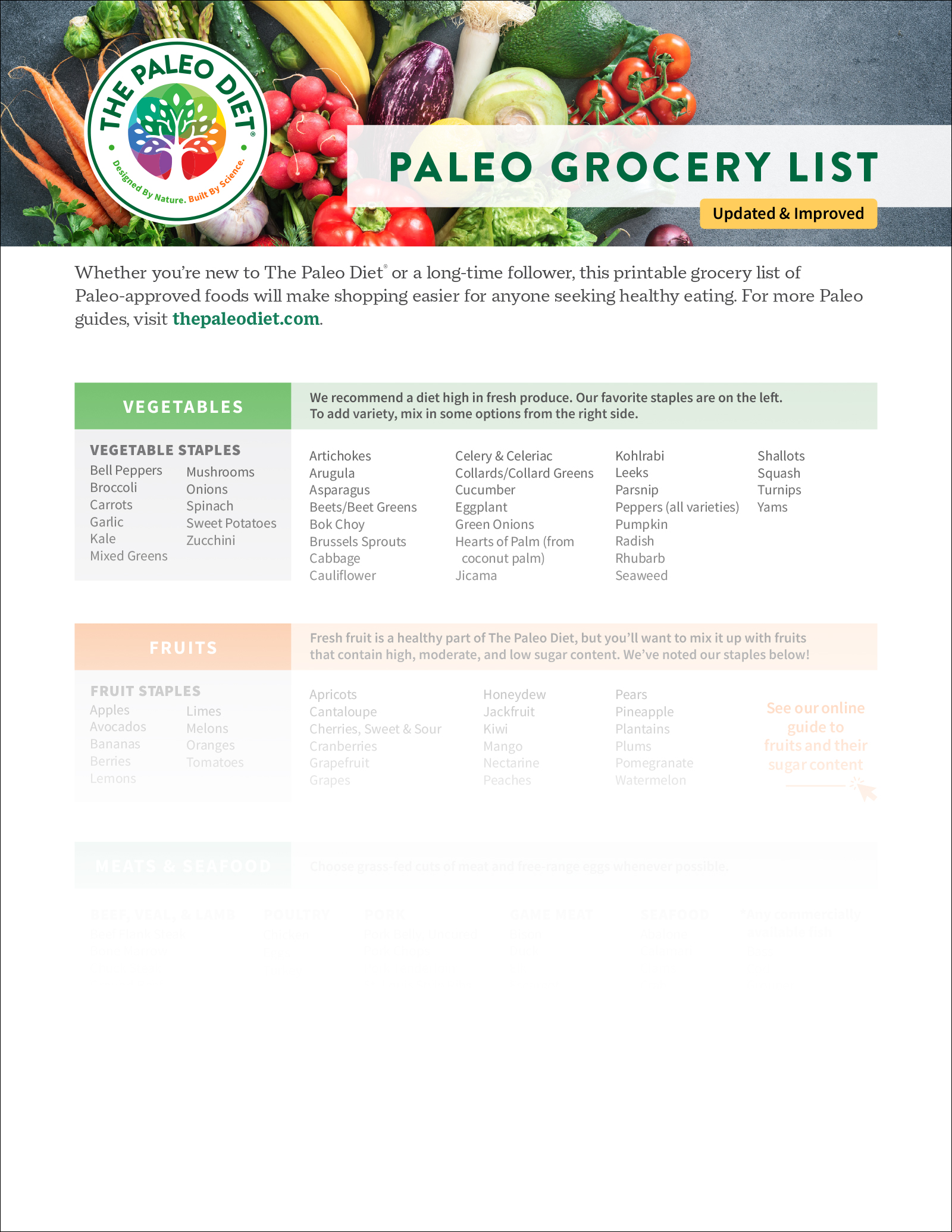
Sign up to get info on healthy nutrition, free recipes, meal prepping, and the latest health research. New subscribers will also receive our Official Paleo Grocery List!