Plastic Gut: The Rise of Colorectal Cancer in Young Adults
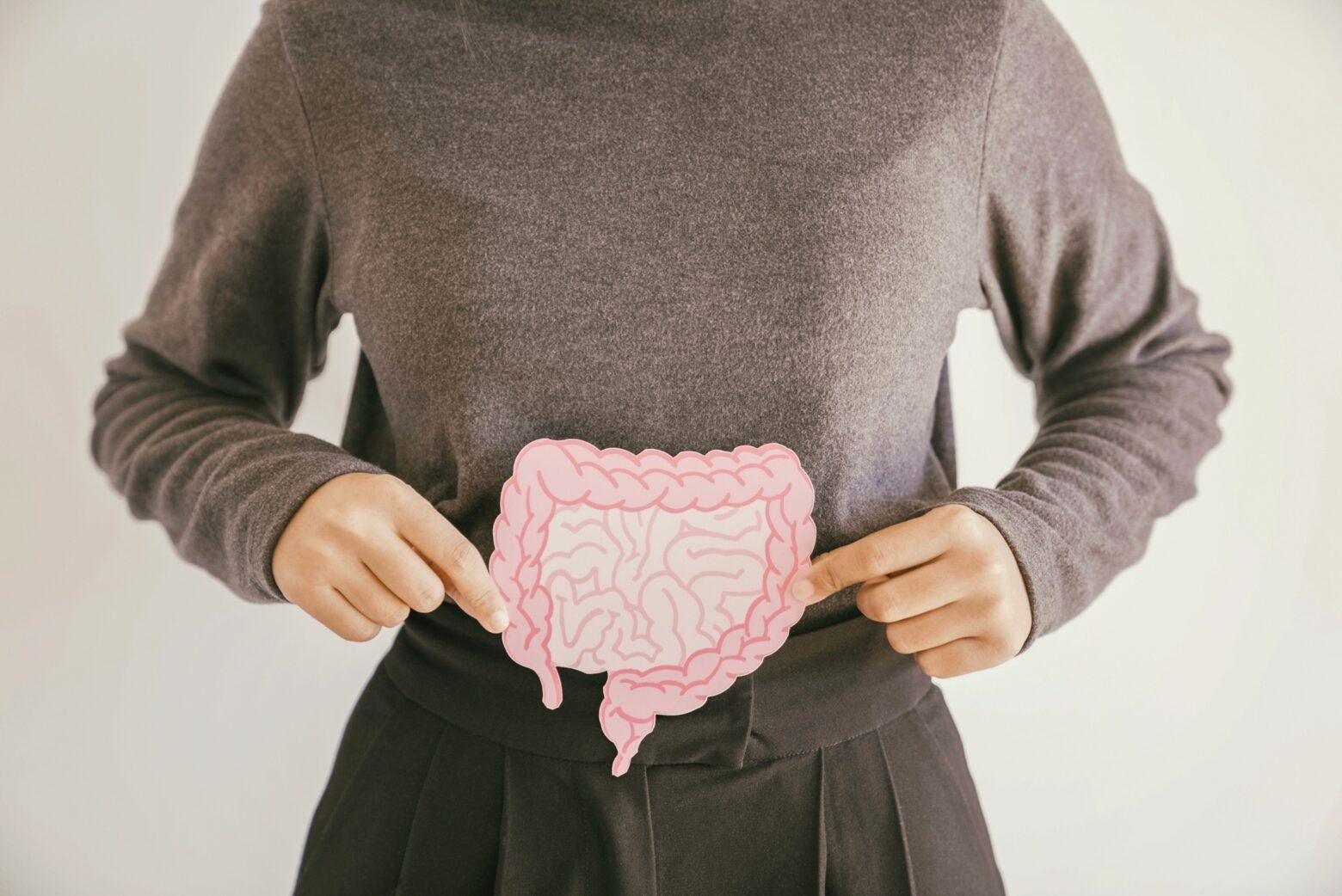
Colorectal cancer is declining in older adults, yet it has become the second leading cause of cancer-related death among Americans under 50. Read that again, because it runs counter to everything we once understood about this disease. Although colorectal cancer is now largely preventable in older adults, modern lifestyles and environments may be driving rates sharply upward in younger generations.
Since 1985, routine screening has helped reduce colorectal cancer incidence by 46% in the overall population, a decline concentrated mostly in adults over 50.1 Since 2013, on the other hand, colorectal cancer in young adults 20-49 has been climbing nearly 3% per year.2 As a result, colorectal cancer is now the second leading cause of cancer-related death for this age group.

This is not a genetic epidemic. Only 5% of colorectal cancer cases are attributable to hereditary causes.3,4 The vast majority of cases are driven by environmental and lifestyle factors, including diet, microbiome disruption, inflammation, alcohol consumption, and sedentary lifestyles.5,6 Additionally, emerging evidence suggests microplastics, particularly from food packaging and storage containers, may increase colorectal cancer risk.
The Rising Tide
Colorectal cancer in young adults is more dangerous than its later-onset counterpart largely because people aren’t looking for it. Standard screening guidelines do not begin until 45 to 50, which means younger patients typically present at later stages, with higher rates of more aggressive tumor types, such as signet-ring cell carcinoma.7 Between the early 2000s and 2016, the median age of diagnosis fell from 72 to 66, a trend more consistent with environmental changes than with inherited genetics.8
Three biological pathways account for most colorectal cancer cases:
- Lifestyle factors, including diet, obesity, alcohol, and physical inactivity, drive the majority of cases.
- Inflammatory bowel disease confers a significantly elevated risk in affected patients.
- Inherited genetic conditions, such as Lynch syndrome and rare disorders that cause hundreds of colon polyps, account for roughly 5%.3 However, genetic susceptibility can still play an important role in whether lifestyle and inflammatory factors will lead to colorectal cancer in young adults or not.
Of these three pathways, lifestyle-driven cases are rising the fastest—and are also the most preventable.
The Hidden Accelerant
Microplastics are pervasive environmental contaminants affecting the human body across every life stage, including before birth. What was once a trace contaminant is now inescapably part of the modern food supply. Microplastics have been detected in human blood, stool, breast milk, placenta, and more.
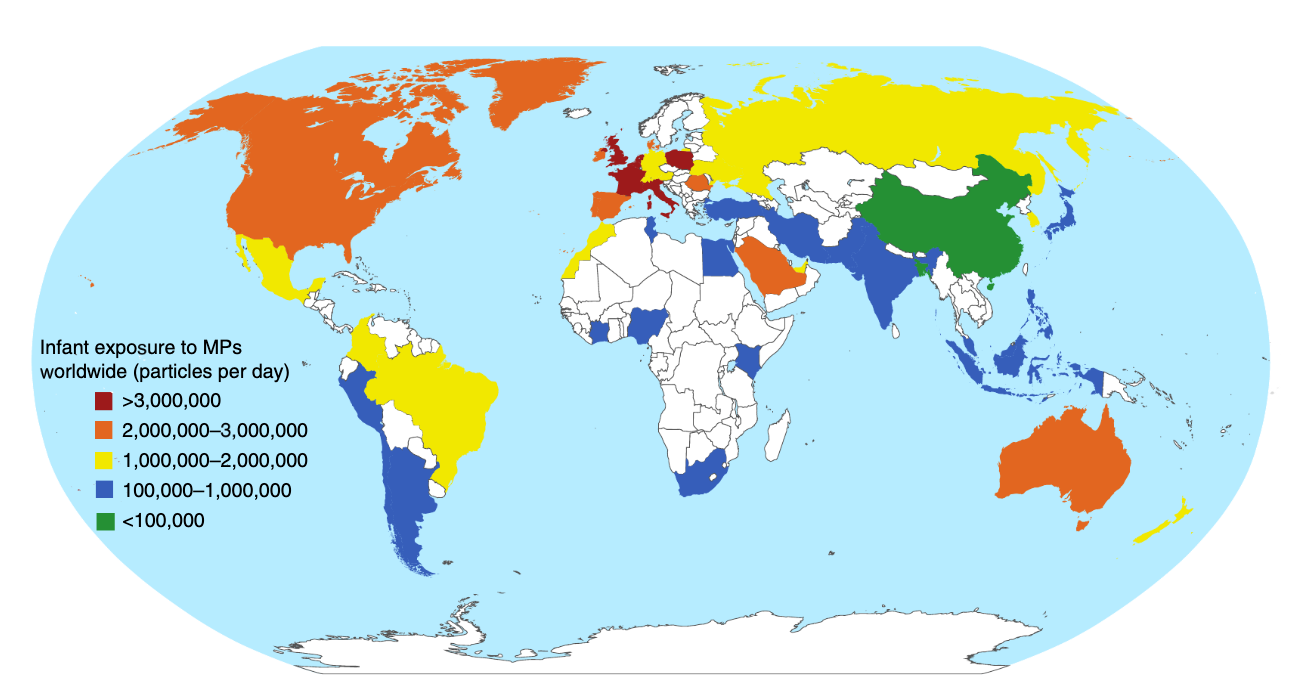
A 2020 study published in Nature Food, for example, found infant exposure to microplastics, particularly infants consuming formula from plastic bottles, averages 1.5 million particles daily, with highs exceeding 4 million in areas of North America and Europe (see image below).9
The colon is particularly vulnerable to microplastic exposure. In 2024, a study found microplastics in 50% of colorectal cancer tissue samples, with concentrations ranging from 10 to 41 nanograms per gram of tissue.10 Even more alarming, a 2025 study found that higher microplastic concentrations were associated with more advanced stages of colorectal cancer, linking plastic burden with tumor progression.11 But how exactly might plastic in the colon lead to cancer?
Mechanism 1: Gut Dysbiosis
Your gut contains trillions of bacteria, and the balance between protective and harmful species plays a critical role in cancer prevention. Certain bacterial families, particularly those producing a compound called butyrate, actively protect the colon lining while suppressing tumor formation. Microplastics disrupt gut balance by depleting beneficial bacteria and allowing harmful, inflammation-promoting strains to proliferate.12 This shift weakens the gut’s defenses, allowing inflammation to persist and increasing the likelihood that early cellular mutations (the seeds of future tumors) progress into cancer.
RELATED: Wheat Series Part 1: The Digestive Immune System
Mechanism 2: Inflammation
Inflammation is the body’s normal and appropriate response to injury or infection. Inflammation becomes dangerous, however, when it fails to shut off. Microplastics appear to trigger a state of chronic, low-grade inflammation in the colon that keeps the immune system overactivated.13 Sustained inflammation is one of the most well-established preconditions for cancer. Day after day, an inflamed colon lining absorbs damage that can eventually become cancerous.
Mechanism 3: DNA Damage
Microplastics increase the production of reactive oxygen species, which are unstable molecules that damage DNA throughout the colon lining.13 Over time, oxidative damage produces genetic mutations that can promote colorectal cancer.
How Ultra-Processed Foods Contribute
Ultra-processed foods compound the problem through their own independent pathway. A 2023 meta-analysis of seven studies covering more than 18,000 colorectal cancer cases found the highest levels of ultra-processed food intake were associated with a 26% increased cancer risk.14 Making the problem worse, ultra-processed foods are the primary vehicle for dietary microplastic exposure, since plastic packages and containers leach particles directly into food during storage and preparation.15
The Paleo Diet® as Preventive Medicine
You cannot eliminate microplastics from your environment. They are in the air, the water, and the soil. But you can dramatically reduce your dietary exposure, and you can actively reinforce the biological defenses that stand between microplastic-driven inflammation and cancer with a Paleo lifestyle.
Whole Foods, No Plastics
The Paleo Diet, built around whole, unprocessed foods, sidesteps the microplastic-cancer connection on multiple fronts. It removes ultra-processed foods, cutting both their cancer risk from ingredients and their role as a microplastic delivery vehicle. In addition, storing and preparing food in glass and non-plastic containers (a practice The Paleo Diet advocates) can sharply reduce the packaging-leaching pathway.
Omega-3 fatty acids, abundant in grass-fed meat and wild-caught fish, actively support the protective, butyrate-producing bacterial populations that microplastics deplete.16 Furthermore, eliminating refined sugar can help create an anti-inflammatory microbiome profile to partially counter the inflammatory biome that microplastics promote. For example, a 2021 study of 1,425 individuals across four cohorts found high consumption of processed foods and sugar correlated with a pro-inflammatory microbiome, while whole foods consistently supported the gut bacteria that protect against cancer.17
Fermented foods are also worth singling out. Research shows that a specific strain of Lactobacillus plantarum, commonly found in fermented foods, produces compounds that help the immune system fight colorectal tumors.18 More broadly, the beneficial bacteria in fermented foods, particularly Lactobacillus and Bifidobacterium species, protect the colon by neutralizing harmful substances before they can damage cells, and by suppressing beta-glucuronidase, an enzyme that takes carcinogens the liver has already neutralized for excretion and releases them back into the colon.19
RELATED: Fermentation and Vitamin K Foods
Movement and Alcohol
Physical activity reduces colon cancer risk by approximately 24%, an association supported by 52 independent studies.20 Regular exercise also fosters microbial diversity, enhances short-chain fatty acid production, and strengthens gut barrier function—effects that directly counteract microplastic-driven gut dysbiosis.21
Alcohol deserves clear and direct speech. A meta-analysis of 572 studies across 23 different types of cancer found no safe level of alcohol consumption for colorectal cancer risk.22 Alcohol metabolizes to acetaldehyde, which damages DNA directly, creates intestinal permeability, and drives an imbalanced microbiome. This is the same cascade that microplastics initiate, but through a different mechanism.23
Reducing Disease Risk by Reducing Microplastic Exposure
The concern about microplastics is not limited to colorectal cancer. A 2024 study published in The New England Journal of Medicine, for example, examined 257 patients who underwent surgery to remove fatty plaque from their arteries. Fifty-eight percent had microplastics embedded in their plaque, and these patients faced a 4.5 times higher risk of heart attack, stroke, or death compared to patients whose plaque contained no detectable plastic.24
Separately, a 2025 study published in Nature Medicine analyzed postmortem brain tissue, finding microplastic concentrations in human brains had increased 50% between 2016 and 2024, with brains accumulating even more plastics than livers and kidneys.25
The current generation has grown up on ultra-processed foods amid widespread microbiome disruption and chronic microplastic exposure. Petroleum and its derivatives, like plastics, helped build the modern world, but they did not change human physiology. The result is a plastic gut, a colon increasingly shaped by materials our biology was never designed to absorb.
The Paleo Diet addresses nearly every modifiable colorectal cancer risk factor. It removes ultra-processed foods, cuts dietary microplastic ingestion, supports microbial diversity, reduces systemic inflammation, promotes physical activity, and eliminates alcohol. Paleo eating, while not a panacea, is a practical framework for reducing exposure to harmful compounds, supporting gut resilience, and lowering the chronic disease risks that define this era.
References
- American Cancer Society. Colorectal Cancer Facts & Figures 2023–2025. Atlanta: American Cancer Society, 2023. Retrieved from https://www.cancer.org/content/dam/cancer-org/research/cancer-facts-and-statistics/colorectal-cancer-facts-and-figures/colorectal-cancer-facts-and-figures-2023.pdf
- Siegel RL, Kratzer TB, Giaquinto AN, Sung H, Jemal A. Colorectal cancer statistics, 2026. CA: A Cancer Journal for Clinicians. 2026. doi:10.3322/caac.70067
- Alkhamis A et al. Early-Onset Colorectal Cancer: Current Insights. International Journal of General Medicine. 2023;16:2231-2240. doi:10.2147/IJGM.S366001
- Constantinou, V., & Constantinou, C. (2023). Focusing on colorectal cancer in young adults (Review). Molecular and Clinical Oncology, 20(1). https://doi.org/10.3892/mco.2023.2706
- Murphy N, Moreno V, Hughes DJ, Vodicka L, Vodicka P, Aglago EK, Gunter MJ, Jenab M. Lifestyle and dietary environmental factors in colorectal cancer susceptibility. Molecular Aspects of Medicine. 2019;69:2-9. doi:10.1016/j.mam.2019.06.005
- Connell, L. C., Mota, J. M., Braghiroli, M. I., & Hoff, P. M. (2017). The Rising Incidence of Younger Patients with Colorectal Cancer: Questions About Screening, Biology, and Treatment. Current Treatment Options in Oncology, 18(4). https://doi.org/10.1007/s11864-017-0463-3
- Lawler T, Parlato L, Warren Andersen S. The histological and molecular characteristics of early-onset colorectal cancer: a systematic review and meta-analysis. Front Oncol. 2024;14:1349572. doi:10.3389/fonc.2024.1349572
- Kim H et al. Challenges and Opportunities for Colorectal Cancer Prevention in Young Patients. Cancers. 2025;17(12):2043. doi:10.3390/cancers17122043
- Li D, Shi Y, Yang L, Xiao L, Kehoe DK, Gun’ko YK, Boland JJ, Wang JJ. Microplastic release from the degradation of polypropylene feeding bottles during infant formula preparation. Nature Food. 2020;1(11):746-754. doi:10.1038/s43016-020-00171-y
- Zhao S et al. Detection and quantification of microplastics in various types of human tumor tissues. Ecotoxicol Environ Saf. 2024;283:116818. doi:10.1016/j.ecoenv.2024.116818
- Pan W, Han Y, Zhang M, et al. Effects of microplastics on chemo-resistance and tumorigenesis of colorectal cancer. Apoptosis. 2025;30(3-4):1005-1020. doi:10.1007/s10495-025-02085-1
- Tian S, Li R, Li J, Zou J. Polystyrene nanoplastics promote colitis-associated cancer by disrupting lipid metabolism and inducing DNA damage. Environ Int. 2025;195:109258. doi:10.1016/j.envint.2025.109258
- Mishra SK, Sanyal TP, Kundu P, Kumar R, Ghosh D, Chakrabarti G, Sikdar N, Bhattacharya S, Paul S, Das A. Microplastics as emerging carcinogens: from environmental pollutants to oncogenic drivers. Molecular Cancer. 2025;24:248. doi:10.1186/s12943-025-02409-4
- Shu L, Huang Y, Si C, Zhu Q, Zheng P, Zhang X. Association between ultra-processed food intake and risk of colorectal cancer: a systematic review and meta-analysis. Front Nutr. 2023;10:1170992. doi:10.3389/fnut.2023.1170992
- Kadac-Czapska K, Knez E, Gierszewska M, Olewnik-Kruszkowska E, Grembecka M. Microplastics derived from food packaging waste: their origin and health risks. Materials. 2023;16(2):674. doi:10.3390/ma16020674
- Gheorghe AS, Negru SM, Preda M, et al. Biochemical and metabolical pathways associated with microbiota-derived butyrate in colorectal cancer and omega-3 fatty acids implications: a narrative review. Nutrients. 2022;14(6):1152. doi:10.3390/nu14061152
- Bolte LA, Vich Vila A, Imhann F, et al. Long-term dietary patterns are associated with pro-inflammatory and anti-inflammatory features of the gut microbiome. Gut. 2021;70(7):1287-1298. doi:10.1136/gutjnl-2020-322670
- Zhang Q, Zhao Q, Li T, et al. Lactobacillus plantarum-derived indole-3-lactic acid ameliorates colorectal tumorigenesis via epigenetic regulation of CD8+ T cell immunity. Cell Metab. 2023;35(6):943-960. doi:10.1016/j.cmet.2023.04.015
- Gorini F et al. Colorectal cancer mitigation through probiotics: current evidence and future directions. Current Microbiology. 2025. doi:10.1007/s00284-025-04297-9
- Wolin KY, Yan Y, Colditz GA, Lee IM. Physical activity and colon cancer prevention: a meta-analysis. Br J Cancer. 2009;100(4):611-616. doi:10.1038/sj.bjc.6604917
- Tao L, Zhou H, Shao W, Liu D, Ruan Y, Chen M. Gut microbiota affects the progression of colorectal cancer under the intervention of exercise. Front Microbiol. 2026;17:1728541. doi:10.3389/fmicb.2026.1728541
- Bagnardi V, Rota M, Botteri E, et al. Alcohol consumption and site-specific cancer risk: a comprehensive dose-response meta-analysis. Br J Cancer. 2015;112(3):580-593. doi:10.1038/bjc.2014.579
- Johnson CH, Golla JP, Dioletis E, et al. Molecular mechanisms of alcohol-induced colorectal carcinogenesis. Cancers. 2021;13(17):4404. doi:10.3390/cancers13174404
- Marfella R, Prattichizzo F, Sardu C, et al. Microplastics and nanoplastics in atheromas and cardiovascular events. N Engl J Med. 2024;390(10):900-910. doi:10.1056/NEJMoa2309822
- Nihart AJ, Garcia MA, El Hayek E, et al. Bioaccumulation of microplastics in decedent human brains. Nat Med. 2025. doi:10.1038/s41591-024-03453-1
Christopher Clark
Christopher Clark is an entrepreneur, food writer, and business owner with years of experience with nutrition.
More About The Author
Cancer
The Paleo Diet® Newsletter
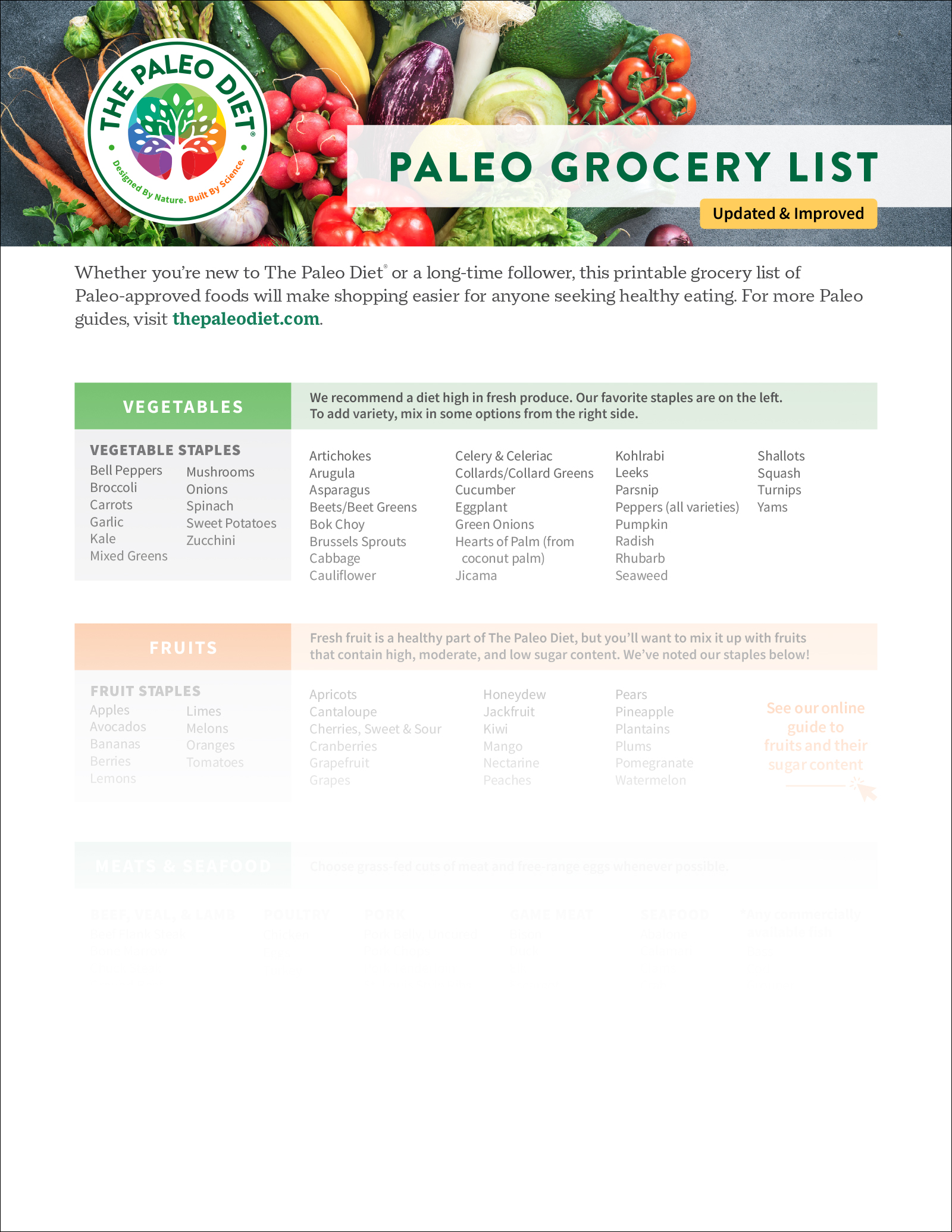
Sign up to get info on healthy nutrition, free recipes, meal prepping, and the latest health research. New subscribers will also receive our Official Paleo Grocery List!
