Understanding Antinutrients and Their Role in The Paleo Diet
If you’ve spent any time on social media recently, you may have seen a post by Dr. Stephen Gundry, warning about foods containing lectins and their alleged dangers to human health. Lectins, along with phytates, saponins, and others, fall under the umbrella of compounds known as antinutrients.
Antinutrients wreak havoc in the human body, triggering chronic inflammation, pain, and illness. They are also a key part of The Paleo Diet® concept and are discussed in depth in Dr. Loren Cordain’s book, The Paleo Answer. We’re here to explain what antinutrients are, where they still show up on a Paleo Diet, and how you can further reduce your intake if you need to.
What Are Antinutrients?
Antinutrients are naturally occurring compounds found primarily in plants as a defense against predators. They help the plants deter insects, animals, and microbes with the goal of protecting the seeds until they can safely germinate in the soil.1
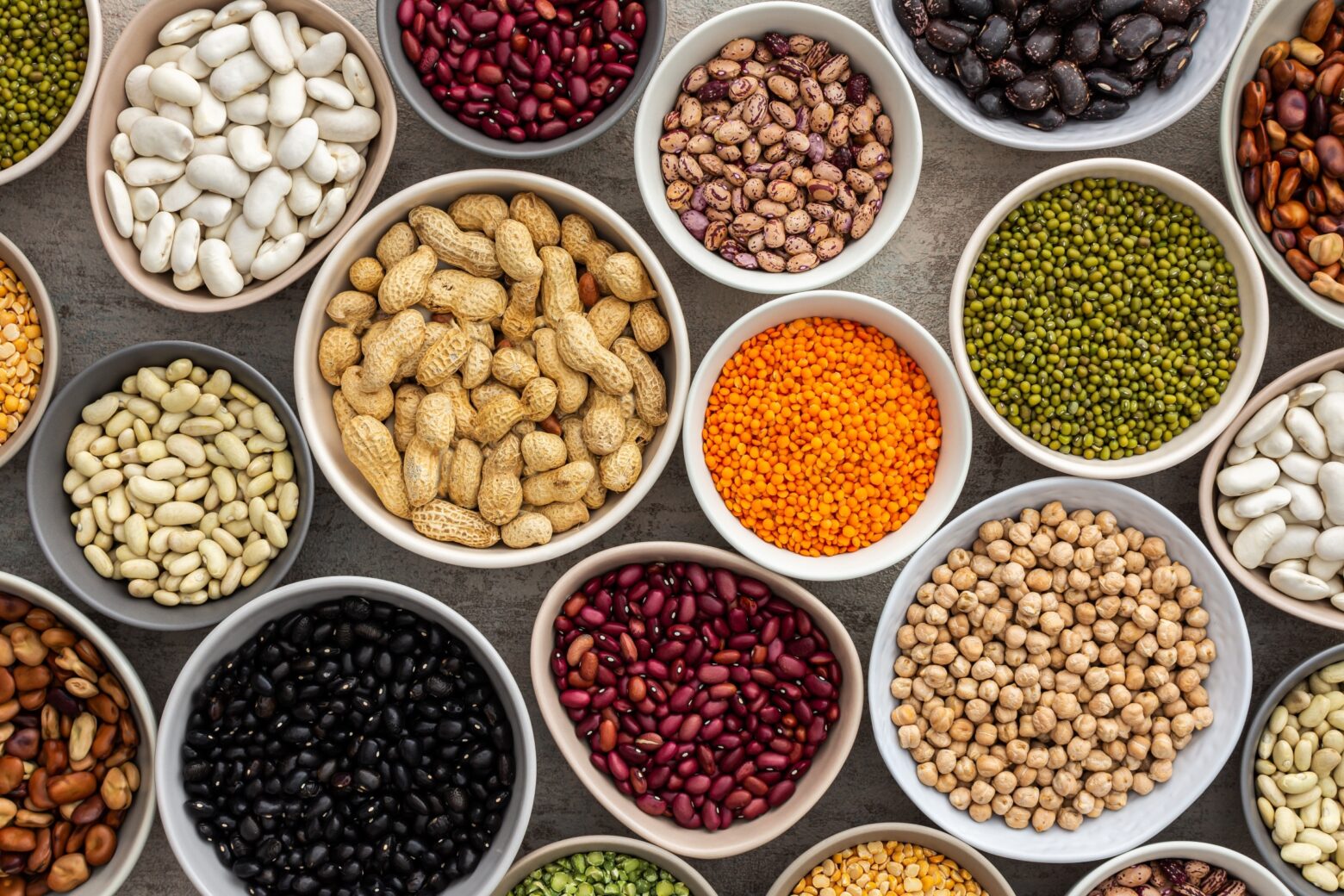
When humans eat foods that contain antinutrients, the effects can vary. Grains and legumes are naturally very high in antinutrients and humans cannot eat them without a fair amount of processing. Cooking and soaking grains and legumes removes most of the antinutrients, allowing some people to tolerate them and may even benefit from their antioxidant and anti-inflammatory properties. However, those with pre-existing gut issues, immune dysregulation, or mineral deficiencies may experience reduced nutrient absorption or worsening symptoms when exposed to higher amounts.2
Antinutrients are present in a lot of the foods we eat. However, certain compounds (lectins, phytates, and saponins) appear to be much more disruptive to human physiology than others. These antinutrients tend to have a higher risk-to-benefit ratio, meaning they may do more harm than good.
Antinutrients and The Paleo Diet
The concept of antinutrients isn’t new. In fact, The Paleo Diet largely came about due to Dr. Loren Cordain’s research into the diets of our earliest ancestors and the idea that many of the foods we eat today represented a metabolic mismatch with how our bodies were designed to function.
Inspired initially by Dr. Boyd Eaton’s scientific paper, “Paleolithic Nutrition,” in 1985, Dr. Cordain’s research led him to question the healthfulness of lectins and phytates found in “modern” foods (particularly grains and legumes). He proposed that these foods weren’t as health promoting as previously thought. Instead, they irritated the gut lining, impaired nutrient absorption, and provoked stress and immune responses that disrupted normal physiology.3
In his paper, “Cereal Grains: Humanity’s Double-Edged Sword,” Dr. Cordain specifically discussed the nutritional shortcomings of cereal grains, including antinutrient content, as a reason to reconsider their role in a health-promoting diet. This work helped launch broader interest and research into Paleolithic nutrition.4
Famous stress researcher Hans Selye also explored humans’ responses to what he called “noxious agents” as early as the 1930s and 1940s. Selye found that the more of these food-derived stressors we were exposed to, the worse our ability to handle other noxious agents became over time. Chronic exposure could ultimately contribute to many of the diseases generally attributed to aging, such as cardiovascular disease and arthritis.5
In many ways, Dr. Cordain’s work expanded upon that concept, emphasizing that disease may arise when dietary stressors (including antinutrients) exceed the body’s adaptive capacity. He theorized that regular consumption of novel foods like grains, legumes, and dairy over lifetimes and generations may contribute to chronic, low-grade stress and the development of these modern diseases.
Major Classes of Antinutrients
Antinutrients are grouped according to their main biological function or mechanism of action. Below are some of the most common types and a few ways they may affect the human body.
Lectins
Lectins are carbohydrate-binding proteins found in many different foods, particularly grains, legumes, and certain nightshades, but they’re especially known for their presence in legumes. Common examples include phytohemagglutinin (PHA), soybean agglutinin, and wheat germ agglutinin.
Lectins can irritate the gut lining, stimulate immune responses, and contribute to increased intestinal permeability (“leaky gut”) and autoimmune activity in those who are susceptible.6 Red kidney beans are so high in PHA that they can be poisonous if not properly cooked.7
It’s possible to significantly reduce lectins in food through boiling, pressure-cooking, or fermenting. However, about 10% may remain and contribute to inflammation and chronic health issues in sensitive individuals.
Saponins
Saponins are a soap-like compound common in grains, legumes (including peanuts), and white potatoes. These antinutrients are also high in pseudo-grains, or “grain-like seeds,” such as quinoa and millet. In fact, when rinsing quinoa or millet, the bubbles that form are due to saponins.8
Saponins have been shown to increase permeability in cell membranes, including those of the intestinal lining. Over time, this epithelial irritation may contribute to leaky gut and increase the risk of autoimmunity.9,10 By increasing cell membrane permeability throughout the body, saponins may also allow greater antigen exposure, triggering stress and immune responses that promote food reactivity and chronic inflammation.11
The highest saponin-containing grain-like food is quinoa at approximately 5,930 milligrams of saponins per kilogram. Additionally, you may be surprised to learn that alfalfa sprouts are in the legume family and have even higher concentrations (8000 mg/kg) of saponins.
Phytates
Phytates, or phytic acid, are found in nuts, seeds, whole grains, and legumes. Phytic acid strongly binds to minerals like zinc, iron, magnesium, and calcium, reducing their absorption and potentially contributing to deficiencies over months or years.12
It’s possible to reduce about 90% of the phytates in food through soaking, sprouting, or fermenting. However, the remaining fraction may still contribute to low-grade irritation and cumulative nutrient depletion in susceptible individuals. This is one reason The Paleo Diet recommends consuming nuts and seeds in moderation.
Goitrogens
Goitrogens are compounds found primarily in cruciferous vegetables, soy, and millet. While goitrogens called flavonoids have antioxidant activity, these and other goitrogenic compounds can interfere with the thyroid’s ability to uptake iodine, which is required for thyroid hormone production. When consumed in excess, this interference can contribute to goiter development.13
Although goitrogens are not harmful for everyone (eat your broccoli!), those with thyroid disorders or low iodine, selenium, or zinc status may be more susceptible to their effects.14 Steaming and boiling can significantly reduce goitrogen content, allowing most people to enjoy these foods without concern for thyroid health.
Tannins
Tannins are polyphenolic compounds found in black tea, coffee, wine, chocolate, and certain fruits and herbs. Polyphenols are widely recognized for their antioxidant and anti-inflammatory activity. Despite this, tannins can inhibit iron absorption and irritate the gut lining, particularly in people with chronic inflammation or immune dysregulation.2,15
It’s easy to reduce tannin intake from teas by choosing lighter teas and/or discarding the first steeping. Fruits tend to be higher in tannins when unripe or when concentrated through drying or juicing. Eating fresh, ripe fruits in season helps to minimize tannin exposure.
Fresh herbs are typically consumed in small amounts, so their tannin content is unlikely to be problematic. However, when herbs are used medicinally in concentrated forms, such as strong infusions, decoctions, tinctures, or extracts, tannins may become more of an issue.
Protease Inhibitors
Protease enzymes break down proteins during digestion; protease inhibitors prevent the enzymes from doing their job. As a result, proteins don’t digest as well, often leading to bloating, fullness, and reduced appetite.16
Protease inhibitors are most often found in legumes, whole grains, potatoes, and raw egg whites. To reduce the effects of protease inhibitors, simply cook the food, as heat reduces their activity.
Cost-Benefit Analysis of Consuming Antinutrients
While The Paleo Diet excludes foods highest in certain antinutrients, like those in grains, legumes, and white potatoes, it still includes goitrogen-containing vegetables, tannin-containing fruits, and protease inhibitor–containing eggs. There are several reasons for this distinction.
Grains and legumes contain such high concentrations of antinutrients that they must be cooked to be safely consumed and wouldn’t have been viable staples in a hunter-gatherer diet. The antinutrients in grains and legumes are so damaging and their nutritional value so low that the cost-benefit analysis weighs heavily on the side of not eating them.
Vegetables, on the other hand, contain antinutrients like goitrogens in much smaller amounts. These compounds don’t directly damage the intestinal lining and can easily be mitigated through proper preparation. Plus, their health benefits vastly outweigh their drawbacks. Vegetables have the highest nutrient density of any food we eat and tons of well-documented health benefits. This is where the cost-benefit scale strongly tips toward eating them.
Fruits and humans have a symbiotic relationship. Eating fruits benefits the plant because we don’t digest the seed. Instead, we eat the fruit and deposit the seed elsewhere with a nice fertilizer included. Fruiting plants benefit from us eating their fruit, so they contain few antinutrients and abundant protective compounds like antioxidants. While bananas contain small amounts of tannins, this is primarily only when unripe. Ripe bananas are also very low in phytates and lectins, so their benefits outweigh potential risks.
The same principle applies to eggs. Raw egg whites contain avidin, which binds biotin (vitamin B7) and reduces absorption. Cooking denatures avidin, rendering it neutral. Egg yolks also contain biotin, making whole cooked eggs a highly nutritious and Paleo-approved food.
Our bodies are designed to handle a small level of insult. It’s when exposure to noxious agents becomes too high or too frequent that problems develop.
Final Thoughts
Antinutrients aren’t inherently harmful, and for many people, they’re part of a nutrient-dense, anti-inflammatory diet. However, those with compromised gut integrity or immune function may benefit from temporarily reducing specific antinutrients.
The Paleo Diet already limits many lectins and phytates, but it can still be relatively high in saponins and goitrogens. Those with unresolved symptoms may benefit from a modified Paleo approach (such as autoimmune Paleo) that further reduces problematic antinutrients. As gut function and immune resilience improve, most people can gradually reintroduce a wider range of foods while ideally continuing to limit the most dysregulating ones.
References
- Peumans WJ, Van Damme EJM. Lectins as Plant Defense Proteins. Plant Physiology. 1995 Oct 1;109(2):347–52.
- Petroski W, Minich DM. Is There Such a Thing as “Anti-Nutrients”? A Narrative Review of Perceived Problematic Plant Compounds. Nutrients. 2020 Sep 24;12(10).
- Eaton SB, Konner M. Paleolithic nutrition. A consideration of its nature and current implications. The New England journal of medicine [Internet]. 1985;312(5):283–9. Available from: https://www.ncbi.nlm.nih.gov/pubmed/2981409
- Cordain L. Cereal grains: humanity’s double-edged sword. World Review of Nutrition and Dietetics [Internet]. 1999;84:19–73. Available from: https://pubmed.ncbi.nlm.nih.gov/10489816/
- SELYE H. The general adaptation syndrome and the diseases of adaptation. The Journal of Clinical Endocrinology & Metabolism. 1946 Feb;6(2):117–230.
- Zhao Y, Qin G, Sun Z, Che D, Bao N, Zhang X. Effects of Soybean Agglutinin on Intestinal Barrier Permeability and Tight Junction Protein Expression in Weaned Piglets. International Journal of Molecular Sciences. 2011 Nov 29;12(12):8502–12.
- Noah ND, Bender AE, Reaidi GB, Gilbert RJ. Food poisoning from raw red kidney beans. British medical journal [Internet]. 1980;281(6234):236–7. Available from: https://pubmed.ncbi.nlm.nih.gov/7407532/
- Sharma K, Kaur R, Kumar S, Saini RK, Sharma S, Pawde SV, et al. Saponins: A concise review on food related aspects, applications and health implications. Food Chemistry Advances. 2023 Oct;2:100191.
- Lu J, Ma B, Li Y, Chen S, Zhang M, Guo Z, et al. Saponin -mediated cell membrane interference nanomedicine potentiates tumor chemo-immunotherapy via a performing-granzyme-like mechanism. Biomaterials Science [Internet]. 2025 [cited 2026 Feb 10];13(14):3942–57. Available from: https://pubs.rsc.org/en/Content/ArticleLanding/2025/BM/D5BM00564G
- Fasano A. Leaky Gut and Autoimmune Diseases. Clinical Reviews in Allergy & Immunology. 2011 Nov 23;42(1):71–8. Available from: https://pubmed.ncbi.nlm.nih.gov/22109896/
- Ferraro VA, Zanconato S, Carraro S. The Epithelial Barrier Hypothesis in Food Allergies: The State of the Art. Nutrients. 2025 Mar 14;17(6):1014. Available from: https://pmc.ncbi.nlm.nih.gov/articles/PMC11944793/
- Brouns F. Phytic Acid and Whole Grains for Health Controversy. Nutrients. 2021 Dec 22;14(1):25. Available from: https://pubmed.ncbi.nlm.nih.gov/35010899/
- McCarrison R. A Paper on FOOD AND GOITRE. 1933 Oct 14;2(3797):671–5. Available from: https://pmc.ncbi.nlm.nih.gov/articles/PMC2369402/
- Latté KP, Appel KE, Lampen A. Health benefits and possible risks of broccoli – An overview. Food and Chemical Toxicology. 2011 Dec;49(12):3287–309. Available from: https://pubmed.ncbi.nlm.nih.gov/21906651/
- Sharma K, Kumar V, Kaur J, Tanwar B, Goyal A, Sharma R, et al. Health effects, sources, utilization and safety of tannins: a critical review. Toxin Reviews. 2019 Sep 18;40(4):1–13.
- Kårlund A, Paukkonen I, Gómez-Gallego C, Kolehmainen M. Intestinal Exposure to Food-Derived Protease Inhibitors: Digestion Physiology- and Gut Health-Related Effects. Healthcare [Internet]. 2021 Aug 5;9(8):1002. Available from: https://www.ncbi.nlm.nih.gov/pmc/articles/PMC8394810/
Betsy Schroeder
Betsy does research and writing for a few different websites in the natural health field after taking Masters level courses in Nutrition & Functional Medicine through the University of Western States.
More About The Author
Science Behind

The Paleo Diet® Newsletter
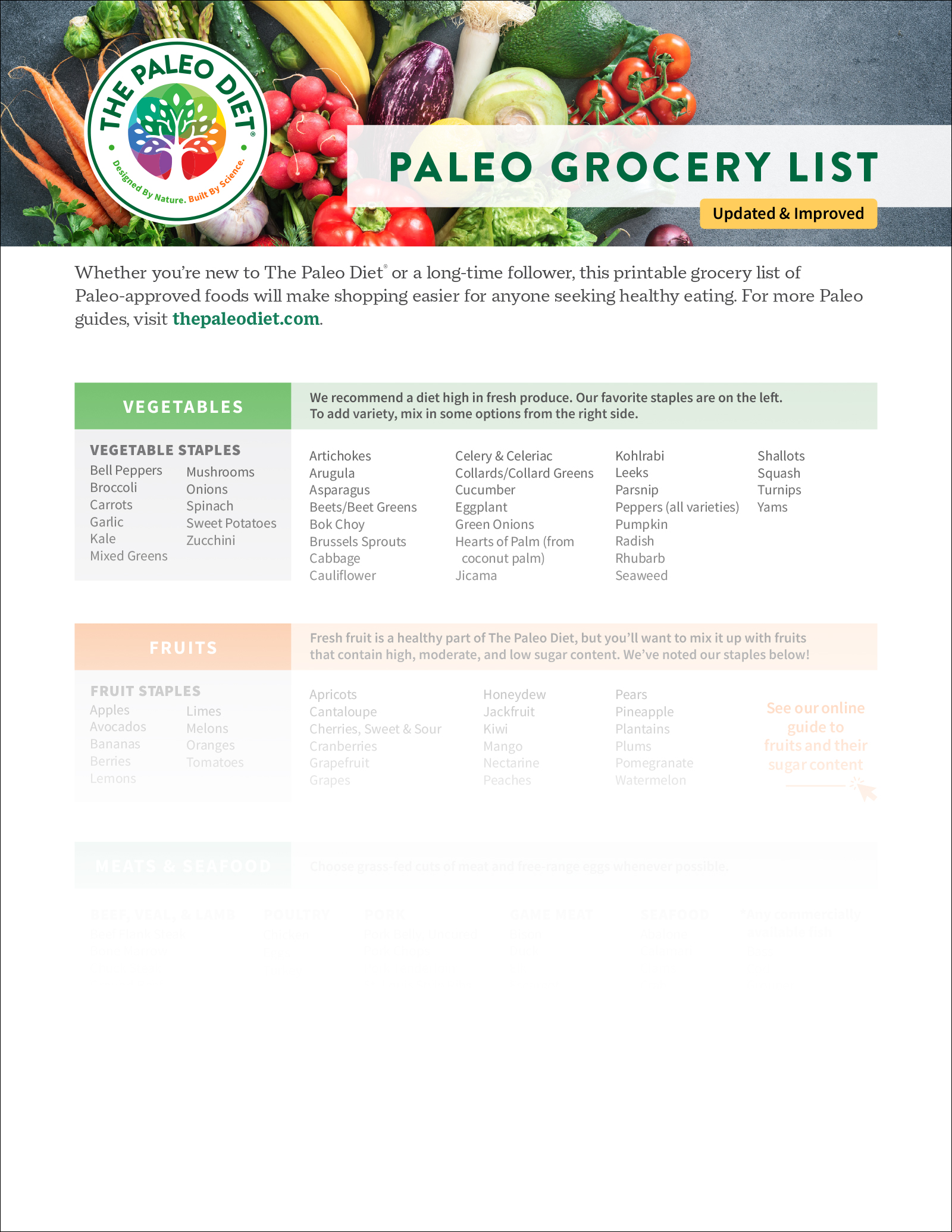
Sign up to get info on healthy nutrition, free recipes, meal prepping, and the latest health research. New subscribers will also receive our Official Paleo Grocery List!