Paleo Nutrition Strategy for Perimenopause

I’m a Registered Dietitian and performance coach who has spent years helping female athletes optimize their fueling and performance—but stepping into perimenopause brought a new level of understanding. Despite doing “all the right things,” I noticed shifts in my own energy, recovery, body composition, and performance that didn’t match what had always worked before.
That experience pushed me to dig deeper, not just for myself, but for the women and athletes I work with who are going through the same thing and not getting answers. My passion is to rewrite the standard “aging gracefully playbook” and deepen my approach to fueling, training, and hormone support for high-performing women navigating midlife.
How Nutrition and Exercise Can Help the Midlife Transition
Perimenopause is an inevitable biological stage driven by hormonal changes. After 40, a cascade of hormonal biology is at work, which means you can eat the same way, move the same way, and still slowly gain body fat.
It can feel unfair and incredibly frustrating to experience these body composition changes that seem to come out of nowhere. Many perimenopausal women I coach resort to an “eating less and exercising more” approach, only to amplify the metabolic changes and feel worse. Instead of eating less, this is the time for lifestyle adaptations so metabolism, strength, and energy can stay resilient for decades to come.
For optimal health, this stage of life benefits most from intentional energy balance and nutrient fueling, plus incorporating three or more days of progressive load strength training. A Paleo nutrition strategy for perimenopause—paired with exercise—can provide a strategic foundation for influencing hormonal changes.1
The Perimenopause Performance Plate
Low-grade inflammation often increases during perimenopause due to hormonal variability and oxidative stress. Because The Paleo Diet is naturally anti-inflammatory, a well-structured Paleo meal plan with diverse foods and phytonutrients can help counteract this. A simple framework many women find helpful when transitioning is the Perimenopause Plate.
Plate Structure
- Half plate: Colorful fruits and vegetables. Berries, cherries, and deeply pigmented vegetables provide anthocyanins and antioxidants. Cruciferous vegetables like broccoli, arugula, and Brussels sprouts support estrogen metabolism through glucosinolate compounds. Dark leafy greens including spinach and kale provide magnesium, folate, and vascular support.2,3
- Quarter plate: High-quality proteins. Some of the strongest protein sources include wild fish, pasture-raised eggs, grass-fed or regenerative beef, pasture-raised poultry and pork, and a Paleo collagen powder paired with high-vitamin C foods to enhance absorption.4
- Quarter plate: Carbohydrates from whole-food sources. Root vegetables, winter squash, and fruit paired with protein can support training and metabolic stability.3
- Optional addition: Healthy fats like extra-virgin olive oil, avocados, fatty fish, and occasional nuts and seeds provide satiety and hormone support.5
Prioritize Protein
Estrogen plays a role in nearly every body system, including muscle growth and repair, insulin sensitivity, and metabolic flexibility. When levels shift, however, this often leads to reduced muscular strength, increased fat storage, and slower recovery from training. Adequate protein intake can help preserve muscle, which directly improves insulin sensitivity and metabolic health.4 Muscle is metabolic insurance in midlife.
Target1.2–1.8 grams per kilogram of body weight per day (individual needs can vary based on physical activity). Distribute evenly throughout the day with roughly 30 grams per meal.
RELATED: High-Protein Foods to Eat on The Paleo Diet®
Use Carbohydrates Strategically
Perimenopause is not the time for cutting out carbs. Very low carbohydrate diets may increase cortisol spikes and stress, exacerbating perimenopausal symptoms, hormone imbalance, and slow exercise recovery.3,5
For many women, including carbohydrates with dinner may help support mood and improve sleep quality. Better sleep supports recovery, hormone balance, and inflammation regulation.2
Support Gut Health and Microbial Diversity
The gut microbiome influences many aspects of health during perimenopause, including hormones and insulin, inflammation, and the immune system.2,5
Eating for gut health may look like:
- 5 to 7 servings per day, primarily from vegetables and fruits, which averages about 25–35 grams of fiber
- Fermented foods such as sauerkraut, kimchi, or dairy-free yogurt
- A wide variety of plant foods rich in polyphenols such as avocado, berries, cruciferous vegetables (e.g., broccoli, cabbage), red onions and herbs and spices to name a few.
If bloating or digestive symptoms occur, make gradual adjustments to determine the cause while still maintaining microbial diversity.
Micronutrients Matter
Certain micronutrient needs increase during perimenopause. Eating a Paleo diet can help provide key micronutrients outlined below. Prioritize food sources first, using supplementation when needing additional support.3,5
- Magnesium supports sleep, muscle recovery, and blood sugar regulation.
- Calcium and vitamin D are important for bone preservation and neuromuscular function.
- B vitamins and iron support energy production and cellular health.
- Zinc supports immune health and hormone function.
Sample Day: Paleo-Inspired Nutrition Strategy for Perimenopause
- Breakfast: Scrambled eggs mixed with spinach, smoked salmon, and extra-virgin olive oil, with a side of berries.
- Lunch: Roasted chicken, Brussels sprouts, and sweet potatoes topped with avocado and pumpkin seeds.
- Dinner: Wild salmon and roasted sweet potato meal with arugula side salad tossed with extra virgin olive oil and Paleo vinegar.
- Snacks (1-2 between meals): Collagen powder mixed with water and a few ounces of tart cherry juice, hard-boiled eggs, apple with almond butter, or salt-free beef jerky.
The Real Goal of Midlife Nutrition
The goal isn’t to fight perimenopause—it’s to fuel, train, and strengthen through it. These shifts in your approach can result in reduced inflammation, improved sleep, stabilized blood sugar, and better stress management. Perimenopause is a time to reset your mindset and your wellness approach. It’s the beginning of developing a more strategic midlife with a Paleo-inspired nutrition and exercise lifestyle.
This article is for educational purposes and is not medical advice. If you have a medical condition or take medications, consult your clinician before making dietary changes.
References
- Shah, S., Mahamat-Saleh, Y., Hajji-Louati, M., Correia, E., Oulhote, Y., Boutron-Ruault, M., & Laouali, N. (2023). Palaeolithic diet score and risk of breast cancer among postmenopausal women overall and by hormone receptor and histologic subtypes. European Journal of Clinical Nutrition, 77, 596–602. https://doi.org/10.1038/s41430-023-01267-x
- Erdélyi, A., Pálfi, E., Tűű, L., Nas, K., Szűcs, Z., Török, M., Jakab, A., & Várbíró, S. (2023). The importance of nutrition in menopause and perimenopause—A review. Nutrients, 16. https://doi.org/10.3390/nu16010027
- Silva, T., Oppermann, K., Reis, F., & Spritzer, P. (2021). Nutrition in menopausal women: A narrative review. Nutrients, 13. https://doi.org/10.3390/nu13072149
- Frączek, B., Pięta, A., Burda, A., Mazur-Kurach, P., & Tyrała, F. (2021). Paleolithic diet—Effect on the health status and performance of athletes? Nutrients, 13. https://doi.org/10.3390/nu13031019
- Safdar, I., Jalees, H., Hassan, U., & Asif, M. (2025). The menopause–diet connection: A critical review of nutritional influences on women’s midlife health. Journal of Health, Wellness and Community Research. https://doi.org/10.61919/hf8aw031
Andie B. Schwartz
Andie B. Schwartz, M.Ed., RDN, LDN, CSCS, is a sports dietitian and performance coach specializing in performance nutrition, hormone health, and sustainable fat loss for athletes.
More About The Author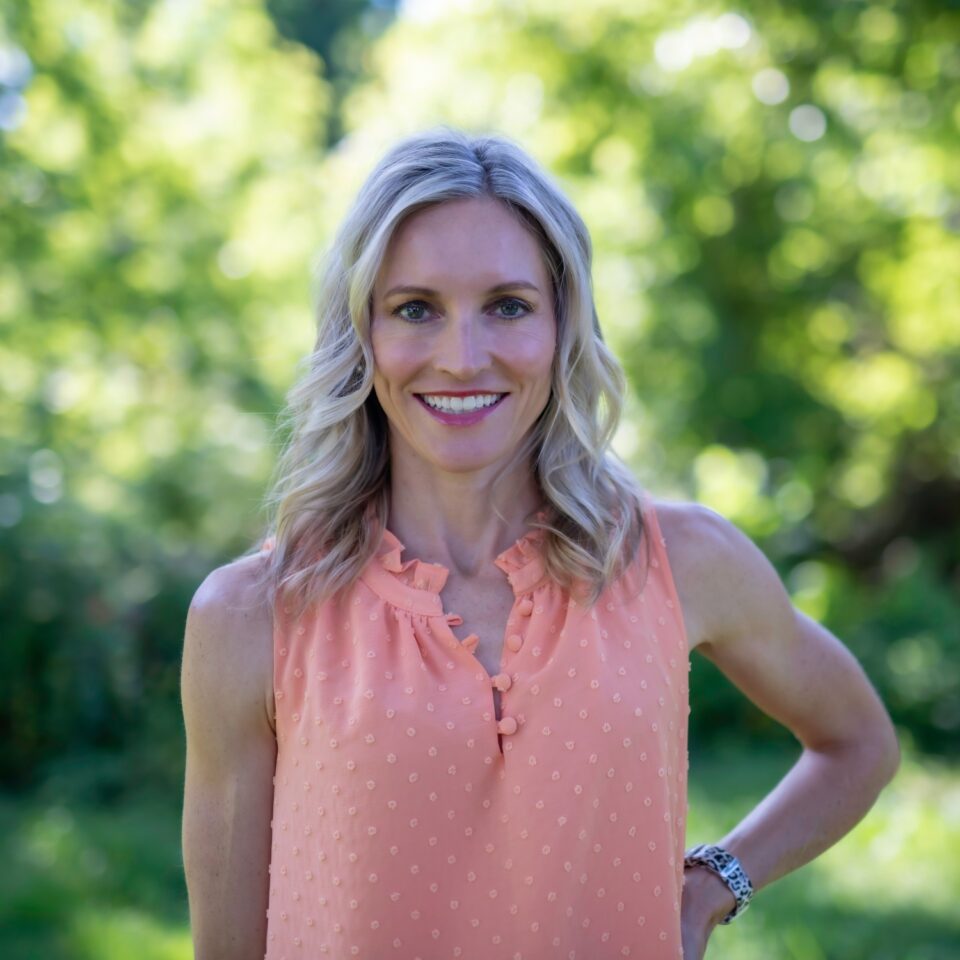
Aging & Longevity

The Paleo Diet® Newsletter
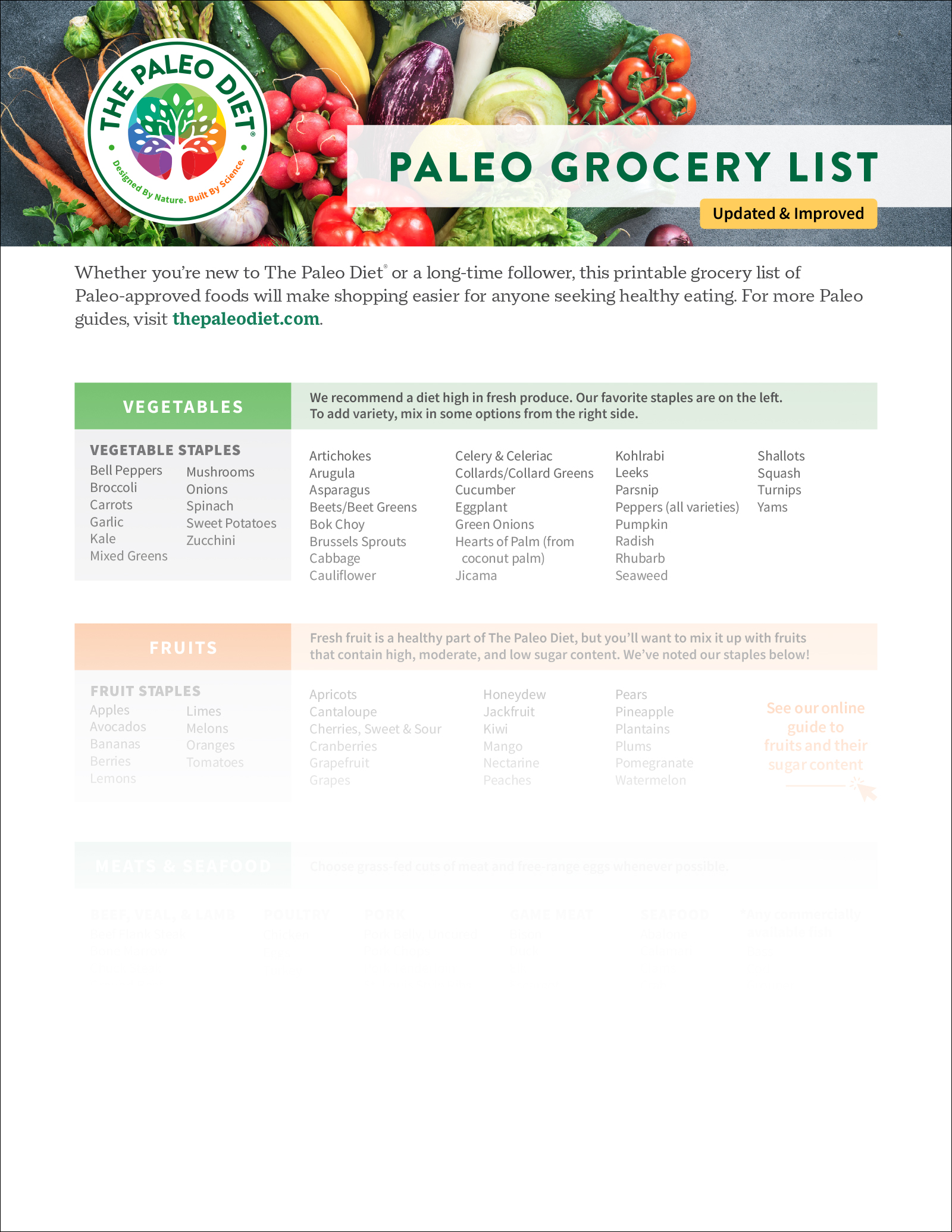
Sign up to get info on healthy nutrition, free recipes, meal prepping, and the latest health research. New subscribers will also receive our Official Paleo Grocery List!
