Is Chocolate Paleo?

If you have a sweet tooth, you already know there are cravings—and then there are chocolate cravings. Fruit might satisfy sometimes. A drizzle of honey might do the trick on a good day. But when it comes to that deep, rich, slightly bitter sweetness, nothing quite replaces chocolate. But is chocolate Paleo?
For many people following a Paleo lifestyle, the craving comes with that question. Chocolate is often grouped with candy bars and desserts, foods that don’t exactly scream “Paleo approved.” So is chocolate something you need to give up entirely, or is there a way to enjoy it that still supports your health?

The short answer to the latter is yes, but that comes with a little nuance.
Is Chocolate Paleo?
Chocolate begins as cacao, a plant that has been consumed for thousands of years by Indigenous cultures in Central and South America. [1] Long before sugar-heavy confections existed, cacao was valued for its flavor, cultural significance, and potential health benefits. From a Paleo perspective, those origins matter.
When chocolate is minimally processed and made without refined sugars, dairy, or artificial additives, it can fit within a Paleo lifestyle. High-quality cacao and dark chocolate provide antioxidants and minerals that make them a satisfying, intentional choice rather than a mindless indulgence. The key is knowing what to look for and how much to enjoy.
In Paleo for Life: Superfoods to Slow Aging, Boost Longevity, and Enhance Your Well-Being, authors Loren Cordain, Trevor Connor, and Dr. Mark J. Smith explain that dark chocolate isn’t only Paleo-compatible—but also a longevity superfood. When made properly, dark chocolate delivers far more than flavor. It contains a unique combination of fats, minerals, and bioactive compounds (natural plant chemicals that can affect how the body functions) that are associated with healthier aging and improved overall well-being.
A key part of what makes chocolate beneficial lies in how cacao is processed. After harvest, cacao beans undergo a natural fermentation process that can last up to 10 days. During this time, microbes act on the beans, reducing bitterness and developing the flavors we associate with chocolate. (Though referred to as a bean, cacao is actually the seed of the plant.)
Not all chocolate is created equal, however. The ingredients and the process determine whether it belongs in a Paleo lifestyle. In other words, chocolate itself isn’t the problem.
Types of Chocolate and Where They Fit in The Paleo Diet®
Understanding the difference between cacao, dark chocolate, milk chocolate, and white chocolate makes it much easier to choose options that align with Paleo principles.
Cacao: The Least Processed Form
Cacao is the purest expression of chocolate. It comes from fermented and dried cacao beans and is often minimally processed to preserve natural compounds. Common forms include cacao powder, cacao nibs, and ceremonial cacao. Its flavor is intense and bitter, and it’s typically used as a recipe ingredient rather than eaten on its own.
Dark Chocolate: The Paleo-Friendly Sweet Spot
Dark chocolate strikes a balance between flavor and nutrition. Made from cocoa solids and cocoa butter with minimal added sweetener, it delivers significantly more beneficial compounds than lower-percentage varieties. When cacao content is at least 70%, and the ingredient list is simple, dark chocolate can be Paleo compatible. [2]
Milk Chocolate: Usually Not Paleo
Traditional milk chocolate contains added sugar and dairy, which reduces the cacao content and moves it away from its original whole-food form. Some newer brands use non-dairy alternatives and unrefined sweeteners as a healthier option—though milk chocolate is still more indulgent than dark chocolate.
White Chocolate: Chocolate in Name Only
White chocolate contains cocoa butter but no cocoa solids—the part of the cacao bean that provides antioxidants and polyphenols. [3] As a result, it lacks most of the health benefits associated with cacao and dark chocolate and is not recommended on The Paleo Diet.
So Is Chocolate Healthy?
When chocolate earns its place in a Paleo lifestyle, enjoyment and health aren’t at odds, but defining what makes chocolate healthy requires a closer look.
“The word healthy is ambiguous,” says BJ Howard, founder and CEO of Wild West Chocolate. “There are a lot of factors that have to be included in the equation to really answer that.”
Howard is intimately familiar with the factors that go into making healthy chocolate. Wild West Chocolate is committed to making products that are organic, Fair Trade, and sweetened only with whole fruits. In addition to their certifications as Vegan, Non-GMO, Regenerative Organic, and Kosher, they also have certifications with The Paleo Diet for TRUEPALEO™ and PaleoFLEX™ chocolate products.
High-quality dark chocolate like Wild West offers a range of potential health benefits that go well beyond indulgence, especially when it’s minimally processed and made with simple ingredients.
One of chocolate’s greatest nutritional strengths lies in its antioxidant content. Cacao is rich in polyphenols and flavanols such as catechins, epicatechins, and procyanidins. These compounds help neutralize free radicals in the body, which can reduce oxidative stress—a key driver of aging and many chronic diseases. [3,4] The two most important nutrients in chocolate are pyrroloquinoline quinine (PQQ) and menaquinones (vitamin K2). Chocolate has a higher concentration of menaquinones than any other food by an order of magnitude. They are produced in the fermentation process. PQQ and menaquinones have many health benefits including protecting us against neurodegeneration and keeping our gut biome healthy.
Dark chocolate also provides meaningful amounts of magnesium, potassium, copper, and manganese, nutrients involved in muscle contraction, nerve signaling, bone health, and energy metabolism. Magnesium in particular is essential for hundreds of biochemical reactions in the body yet is commonly under-consumed, making dark chocolate a surprisingly valuable dietary source when eaten in modest amounts. [5]
Another area where dark chocolate has been studied extensively is cardiovascular health. Cocoa flavanols support blood vessel function by stimulating the endothelium (the lining of the arteries) to produce nitric oxide. Nitric oxide helps relax blood vessels, improving circulation and reducing resistance to blood flow. This mechanism is thought to contribute to observed improvements in blood flow, cholesterol markers, and overall heart health. [6]
Research also suggests that antioxidants in cacao may help protect LDL (“bad”) cholesterol from oxidative damage, a process linked to arterial plaque formation. Some studies have observed increases in HDL (“good”) cholesterol as well, potentially due to compounds such as theobromine and stilbenes found in cacao. [7]
Chocolate’s naturally occurring stimulants, caffeine and theobromine, add another layer to its effects. Present in much smaller amounts than coffee, these compounds can enhance alertness, focus, and mood. Theobromine—the more prevalent of the two—provides a gentler, longer-lasting stimulation, which may explain why chocolate often feels both energizing and comforting without the sharp spike associated with coffee [8].
There’s also growing interest in how chocolate may support brain health. The combination of antioxidants, healthy fats, and bioactive compounds in cacao has been linked to benefits like improved memory and mental clarity, possibly by supporting mitochondrial function—the energy-producing structures within cells that play a central role in aging and neurological health. [9]
Moderation Matters
Even when healthy chocolate checks all the right boxes, how much you eat still matters. As with many nutrient-dense foods, chocolate delivers its benefits best in modest amounts.
That’s where context comes in. The same naturally occurring compounds that contribute to chocolate’s appeal—like theobromine—are part of cacao’s natural makeup, not something added during processing. While they’re sometimes lumped into broader conversations about compounds people worry about, the amounts found in chocolate are far from concerning when consumed reasonably.
According to Howard, reaching harmful levels would require consuming an extreme, unrealistic amount. “You would have to eat an absolutely illogical amount—over 100 full-sized chocolate bars—to even approach toxicity. In normal amounts, this is naturally occurring, good-for-you stuff.”
For most people, one to two small squares of high-quality dark chocolate—about 20–30 grams—is enough to satisfy a craving while still supporting overall health. This aligns with what’s commonly used in research and naturally encourages slower, more mindful eating thanks to dark chocolate’s rich flavor.
Questions about naturally occurring compounds don’t stop with theobromine, which is why transparency and sourcing matter, too. In recent years, consumers have raised concerns about heavy metals—particularly lead and cadmium—being detected in some chocolate products.
These metals can enter the cacao supply naturally. Lead typically appears after harvest, during fermentation and drying. If cacao beans are dried on the ground or exposed to airborne dust, they can absorb trace amounts of lead that persist in the environment from decades of industrial activity and leaded fuel use. Cadmium, on the other hand, occurs naturally in certain soils (including volcanic soils) and can be taken up by cacao trees as they grow, eventually ending up in the cocoa pods used to make chocolate.
Because of this, testing and quality controls matter. As Howard explains, Wild West Chocolate takes additional steps to ensure product safety by testing every shipment of cacao they receive. “We require a certificate of analysis for every lot, and that includes lead testing on every single batch before it’s used.”
This extra layer of testing goes beyond basic requirements and reflects a broader commitment to producing chocolate that prioritizes both quality and responsibility. For Paleo consumers who are mindful about what goes into their food—and where it comes from—choosing brands that are transparent about sourcing and testing can help reduce unnecessary exposure while still enjoying chocolate as an intentional part of the diet.
Ethical and Cultural Considerations of Chocolate
Chocolate’s story doesn’t begin in a wrapper. For Indigenous cultures in Central and South America, cacao held ceremonial, medicinal, and economic significance long before it became a global commodity. That history adds important context to how chocolate is grown, traded, and consumed today.
Modern chocolate production, however, raises serious ethical concerns. Much of the global cacao supply has been linked to exploitative labor practices, unsafe working conditions, and environmental harm tied to monocropping and deforestation. From a Paleo perspective, ethics and health are closely connected. Foods that support human well-being shouldn’t come at the expense of the people or ecosystems that produce them.
That’s why sourcing matters. As Cara Chiarello, Director of Creative and Brand Marketing at Wild West Chocolate, explains, “We’re sourcing our cacao from co-op farms where we know the beans come from farmers who are paid fair wages and earn sustainable incomes. These farms prohibit forced child labor and promote eco-friendly farming practices—and that’s something that’s really important to us. We wouldn’t use chocolate that isn’t sourced from a fair-trade farm.”
Howard adds that truly responsible sourcing goes beyond a single ingredient. “Regenerative organic certification isn’t about just making sure the soil or the cacao itself is healthy,” she says. “It’s about ensuring that the people, the farmers, the animals, and the entire ecosystem that creates that product—including the people—are treated fairly. That’s why we feel it’s important to stay committed to sourcing only Fair Trade cacao and from regenerative organic farms as much as possible.”
RELATED: Supporting Regenerative Agriculture with The Paleo Diet
Choosing chocolate made with transparency, fair labor practices, and sustainable farming methods reflects a more holistic approach to nourishment—one that honors not just what we eat, but where it comes from and who it impacts along the way.
How to Choose Paleo-Friendly Chocolate
When scanning store shelves, start with the ingredient list. Paleo-friendly chocolate should contain a short list of recognizable ingredients, beginning with cacao or cocoa solids. Avoid refined sugars, dairy, artificial flavors, and emulsifiers whenever possible.
“A lot of chocolates on the market are loaded with refined sugar or sugar alcohols. We don’t use either; we sweeten only with whole fruit,” says Howard. Unlike refined sweeteners, whole fruits retain their fiber, which helps slow digestion and reduce blood sugar spikes. “We’re not extracting sugar from fruit and adding it back in,” she adds. “We use the entire fruit, which makes our chocolate more blood-sugar friendly.”
Cacao percentage matters, too. Dark chocolate with at least 70% cacao delivers more beneficial compounds and less added sugar, making smaller portions more satisfying.
Processing is equally important. Chocolate made with careful fermentation and minimal processing retains more of cacao’s natural antioxidants and nutrients. As Howard notes, cacao itself is considered a superfood when it isn’t diluted with unnecessary additives. “Cacao is a superfood. Dates are a superfood. Mulberries are a superfood. We use those kinds of ingredients to build the base of our chocolate, instead of fillers.”
Finally, consider how healthy chocolate is sweetened and whether it aligns with your tolerance and values. Plant-based, dairy-free chocolates made with whole-food ingredients and transparent sourcing tend to align best with a Paleo approach, offering flavor without relying on shortcuts.
Chocolate as a Mindful Paleo Indulgence
Chocolate doesn’t have to be off limits on The Paleo Diet. When it’s made with high-quality cacao, minimal processing, and ethical sourcing, dark chocolate can be both enjoyable and supportive of health.
The difference comes down to how it’s approached. Rather than a daily habit or a mindless snack, chocolate is best enjoyed as an occasional treat in small amounts. Chosen thoughtfully, it can satisfy that chocolate craving while still fitting into a way of eating that prioritizes long-term well-being.
The Paleo Diet is proud to partner with Wild West Chocolate and certify their select products as TRUEPALEO or PaleoFLEX, and we are always open to certifying more chocolate brands that meet our criteria. If you’re interested in learning more about our free certification process, please visit our certification page.
References
- Sharman, S. (2025, December 4). Does Chocolate Grow on Trees? – UC Botanical Garden at Berkeley. UC Botanical Garden at Berkeley. https://botanicalgarden.berkeley.edu/learn/garden-stories/does-chocolate-grow-on-trees/
- Glicerina, V., Balestra, F., Dalla Rosa, M., & Romani, S. (2016). Microstructural and rheological characteristics of dark, milk and white chocolate: A comparative study. Journal of Food Engineering, 169, 165–171. https://www.sciencedirect.com/science/article/abs/pii/S0260877415003647
- Andújar, I., Recio, M. C., Giner, R. M., & Ríos, J. L. (2012). Cocoa Polyphenols and Their Potential Benefits for Human Health. Oxidative Medicine and Cellular Longevity, 2012, 1–23. https://pmc.ncbi.nlm.nih.gov/articles/PMC3488419/
- Katz, D. L., Doughty, K., & Ali, A. (2011). Cocoa and Chocolate in Human Health and Disease. Antioxidants & Redox Signaling, 15(10), 2779–2811. https://pmc.ncbi.nlm.nih.gov/articles/PMC4696435/
- de Baaij, J. H. F., Hoenderop, J. G. J., & Bindels, R. J. M. (2015). Magnesium in man: implications for health and disease. Physiological Reviews, 95(1), 1–46. https://journals.physiology.org/doi/full/10.1152/physrev.00012.2014
- Yuan, S., Li, X., Jin, Y., & Lu, J. (2017). Chocolate Consumption and Risk of Coronary Heart Disease, Stroke, and Diabetes: A Meta-Analysis of Prospective Studies. Nutrients, 9(7), 688. https://pmc.ncbi.nlm.nih.gov/articles/PMC5537803/
- Darand, M., Hajizadeh Oghaz, M., Hadi, A., Atefi, M., & Amani, R. (2021). The effect of cocoa/dark chocolate consumption on lipid profile, glycemia, and blood pressure in diabetic patients: A meta‐analysis of observational studies. Phytotherapy Research, 35(10). https://pubmed.ncbi.nlm.nih.gov/34089280/
- MartÃnez-Pinilla, E., Oñatibia-Astibia, A., & Franco, R. (2015). The relevance of theobromine for the beneficial effects of cocoa consumption. Frontiers in Pharmacology, 6(30). https://pmc.ncbi.nlm.nih.gov/articles/PMC4335269/
- Martín, M. A., Goya, L., & de Pascual-Teresa, S. (2020). Effect of Cocoa and Cocoa Products on Cognitive Performance in Young Adults. Nutrients, 12(12), 3691. https://pmc.ncbi.nlm.nih.gov/articles/PMC7760676/
Maureen Farrar
Maureen Farrar has spent more than 20 years as a writer and editor for several print and digital outlets. She writes about health, fitness and nutrition.
More About The Author
Is It Paleo?

The Paleo Diet® Newsletter
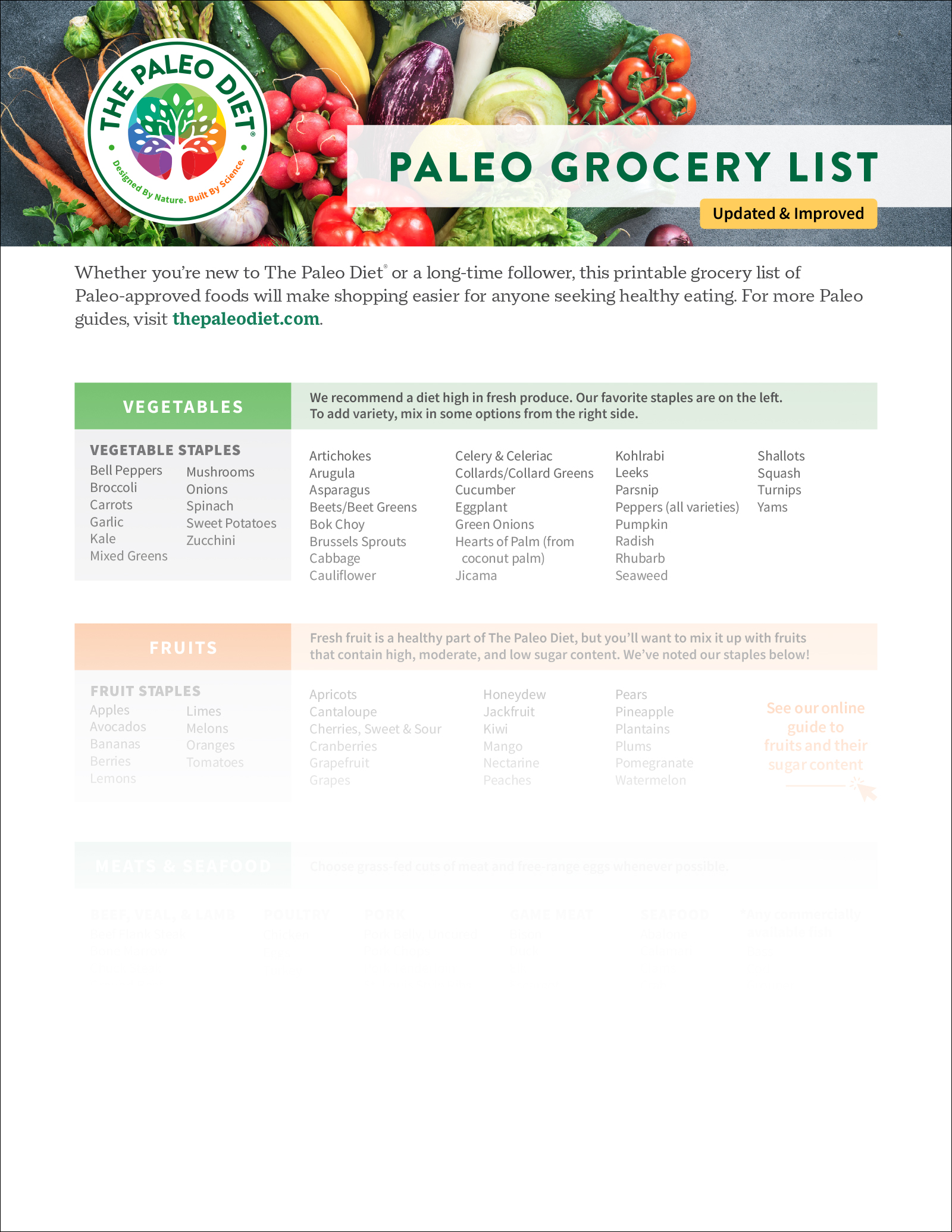
Sign up to get info on healthy nutrition, free recipes, meal prepping, and the latest health research. New subscribers will also receive our Official Paleo Grocery List!
