Dissecting the Anti-Aging Claims Behind the NAD+ Supplement Boom
Individuals who prioritize diverse animal proteins and minimize processed foods may already be supporting a key anti-aging molecule more effectively than most realize without any supplementation. That molecule is NAD, or nicotinamide adenine dinucleotide, and it has been at the center of wellness trends in the past decade with pills, injections, and intravenous drips promising sharper cognition, renewed energy, and a meaningful brake on biological aging.
While the underlying science is substantive; whether anti-aging products deliver on those claims becomes a more complicated question, according to a 2026 systematic review of NAD+ supplementation.1
What Is NAD+?
The biochemistry of NAD+ (the oxidized version of NAD) is remarkably complex. What’s important to know is that it plays essential roles in DNA repair and producing energy, making NDA+ a critical molecule in our bodies.
To give more detail, NAD+, exists in every living cell and plays a central role in converting nutrients into usable energy through processes like glycolysis, the citric acid cycle, and transferring phosphate groups in the mitochondria.2 Its reduced counterpart, NADH, shuttles the electrons harvested during those reactions to produce adenosine triphosphate, the body’s primary energy currency.
Beyond raw energy production, NAD+ acts as a co-substrate for a family of enzymes called sirtuins, which regulate inflammation, mitochondrial health, and DNA repair. It also feeds PARP enzymes that repair damaged DNA.3 In short, NAD+ does a great deal of the cellular housekeeping that keeps tissues functioning properly.
The catch is that NAD+ levels decline substantially as we age, though the degree of drop-off is still debated.4 Some research suggests concentrations may fall anywhere from 10% to 80% between early adulthood and old age, with some studies pointing to roughly a 50% drop by the time a person reaches their 50s. Because so many essential processes depend on NAD+, that decline has become a compelling target for researchers and supplement companies alike.
RELATED: Live Longer, Better on The Paleo Diet
What Does the Evidence Suggest?
People can’t supplement with NAD+ directly because it is broken down in the digestive system. Instead, we need to take precursors—smaller molecules used by the body to create NAD+.
In rodent studies, long-term administration of nicotinamide mononucleotide (NMN), a key NAD+ precursor, mitigated age-associated physiological decline without obvious toxicity, improving energy metabolism, insulin sensitivity, and physical activity.5
In humans, the most consistent finding is biochemical: oral NAD+ precursors, primarily nicotinamide riboside (NR) and NMN (both forms of vitamin B3), do reliably raise NAD+ levels in the blood and in cells.6
A 2018 randomized, double-blind, crossover trial confirmed that NR supplementation is well-tolerated and effectively elevates NAD+ metabolism in healthy middle-aged and older adults.6 What remains far less clear is whether that blood-level increase translates into meaningful clinical benefits in healthy people.
The most promising human signals are in disease contexts. Several trials have examined NAD+ precursors in older adults with mild cognitive impairment, with ongoing investigations targeting Alzheimer’s and Parkinson’s disease, conditions linked to deficits in cellular energy metabolism.7 There are also trials in type 2 diabetes and obesity, where metabolic dysfunction is already established.
As for nicotinamide and skin cancer: a phase 3 New England Journal of Medicine trial in immunosuppressed organ-transplant recipients found that oral nicotinamide did not reduce keratinocyte cancers, though earlier evidence in immunocompetent high-risk patients had been more promising.8
For healthy, active adults, the picture is murkier. Supplementing with NAD+ precursors may be unnecessary for individuals who do not have low NAD+ levels to begin with, and benefits seen in metabolically compromised individuals may not apply to people without underlying dysfunction. However, the supplement industry has been quicker to extrapolate the animal and disease data to broad anti-aging claims than the actual clinical evidence currently warrants.
Can Food Raise NAD+ Levels?
Because the body does not absorb NAD+ directly from food in any meaningful quantity, it needs to synthesize the molecule from dietary precursors through several biochemical pathways. The two main routes run through vitamin B3 (niacin and nicotinamide) and the amino acid tryptophan. A third route uses the more direct precursors NR and NMN, which are present in certain foods in small amounts.9
The Paleo Diet® may confer a notable structural advantage in this context. The foods richest in NAD+ precursors are overwhelmingly those already central to a Paleo-style dietary pattern: Beef, bison, lamb, chicken, turkey, and wild-caught fish like tuna and salmon are among the highest dietary sources of both niacin and tryptophan. Eggs are also a solid dual source of tryptophan and B vitamins.
Organ meats are worth particular attention: beef liver is exceptionally dense in niacin, and eating the whole animal can provide a consistent, broad-spectrum supply of NAD+ precursors without any supplementation.10 On the plant side, cremini mushrooms stand out: A single cup delivers roughly 25% of the recommended daily niacin intake.11 Avocados also contain trace amounts of NMN.12
RELATED RECIPE: Beef Liver in Lime Sauce
Notably, several foods commonly excluded on a Paleo template—dairy, grains, and legumes—do contribute NAD+ precursors in a conventional diet, so those eating strictly Paleo are relying more on animal proteins and mushrooms, which research suggests offer the most bioavailable forms. The important caveat is scale.
Therapeutic doses used in clinical trials range from 250 to 2,000 milligrams of NR or NMN per day, which are amounts that are simply not achievable through diet alone. No matter how much liver or salmon you eat, you are unlikely to reach the pharmacological doses researchers use in trials through food. So while a diet rich in niacin and tryptophan supports your NAD+ synthesis pathways robustly compared to a grain-heavy, processed-food diet, it is not a substitute for supplementation if that level of intervention is what someone is seeking.
However, it can’t be ruled out that consistently eating a diet rich in B vitamins and tryptophan won’t slow the decline of NAD+ production. It may be the reason that NAD anti-aging products do not show the same benefits in individuals who are already healthy.
Fighting NAD+ Decline
NAD+ is genuinely important biologically, and the research is interesting. The age-related decline in this coenzyme is contested, but scientists are right to investigate whether reversing it can improve health.
That said, the clinical evidence seen so far in healthy humans remains behind a supplement market that has moved well ahead of it. For people with conditions linked to NAD+ deficiency, supplementation with NR or NMN appears safe at tested doses and may offer meaningful benefit particularly as more human trials report results. For healthy, active adults following a Paleo diet in their 30s or 40s, the evidence supporting expenditure on anti-aging products is not yet compelling.
A diet centered on diverse animal proteins, organ meats, wild-caught fish, and vegetables provides meaningful support for NAD+ synthesis through dietary precursor pathways. Combined with the regular exercise and quality sleep that most health advocates already prioritize, this constitutes a lifestyle that addresses the underlying conditions—chronic inflammation, metabolic dysfunction, physical inactivity—which are known to accelerate NAD+ decline.
The NAD+ story is still being written. It would be unwise to dismiss it and equally unwise to take it at face value from a wellness industry with a financial interest in making the science sound more settled than it is.
References
- Gallagher C, Emmanuel OO. NAD+ supplementation for anti-aging and wellness: A PRISMA-guided systematic review of preclinical and clinical evidence. Ageing Research Reviews. 2026;116:103057. https://www.sciencedirect.com/science/article/pii/S1568163726000498
- Cantó C, Menzies KJ, Auwerx J. NAD+ Metabolism and the Control of Energy Homeostasis: A Balancing Act between Mitochondria and the Nucleus. Cell Metabolism. 2015;22(1):31–53. PMID: 26118927. https://pmc.ncbi.nlm.nih.gov/articles/PMC4487780/
- Verdin E. NAD+ in aging, metabolism, and neurodegeneration. Science. 2015 Dec 4;350(6265):1208–1213. PMID: 26785480. https://www.science.org/doi/10.1126/science.aac4854
- Peluso, A., Damgaard, M. V., Mori, M. A. S., & Treebak, J. T. (2021). Age-Dependent Decline of NAD+-Universal Truth or Confounded Consensus?. Nutrients, 14(1), 101. https://doi.org/10.3390/nu14010101
- Mills KF, Yoshida S, Stein LR, et al. Long-Term Administration of Nicotinamide Mononucleotide Mitigates Age-Associated Physiological Decline in Mice. Cell Metabolism. 2016 Dec 13;24(6):795–806. PMID: 28068222. https://pmc.ncbi.nlm.nih.gov/articles/PMC5668137/
- Martens CR, Denman BA, Mazzo MR, et al. Chronic nicotinamide riboside supplementation is well-tolerated and elevates NAD+ in healthy middle-aged and older adults. Nature Communications. 2018;9:1286. PMID: 29599478. https://www.nature.com/articles/s41467-018-03421-7
- Orr ME, Kotkowski E, Ramirez P, et al. A randomized placebo-controlled trial of nicotinamide riboside in older adults with mild cognitive impairment. GeroScience. 2024 Feb;46(1):665–682. PMID: 37994989. https://pmc.ncbi.nlm.nih.gov/articles/PMC10828186/
- Allen NC, Martin AJ, Snaidr VA, et al. Nicotinamide for Skin-Cancer Chemoprevention in Transplant Recipients. New England Journal of Medicine. 2023 Mar 2;388(9):804–812. PMID: 36856616. https://www.nejm.org/doi/full/10.1056/NEJMoa2203086
- Bogan KL, Brenner C. Nicotinic acid, nicotinamide, and nicotinamide riboside: a molecular evaluation of NAD+ precursor vitamins in human nutrition. Annual Review of Nutrition. 2008;28:115–130. PMID: 18429699. https://pubmed.ncbi.nlm.nih.gov/18429699/
- Çatak J. Determination of niacin profiles in some animal and plant based foods by high performance liquid chromatography: Association with healthy nutrition. Journal of Food and Nutrition Research. 2019;7(2):141–148. https://pmc.ncbi.nlm.nih.gov/articles/PMC6582921/
- U.S. Department of Agriculture. FoodData Central: Mushrooms, brown, Italian, or cremini, raw. USDA Agricultural Research Service. Accessed April 2026. https://fdc.nal.usda.gov
- Rajman L, Chwalek K, Sinclair DA. Therapeutic Potential of NAD-Boosting Molecules: The In Vivo Evidence. Cell Metabolism. 2018 Mar 6;27(3):529–547. PMID: 29514063. https://pmc.ncbi.nlm.nih.gov/articles/PMC6342515/
Brian Keenan, ND, DOM
Dr. Brian Keenan is a naturopathic doctor, doctor of East Asian medicine, and licensed acupuncturist whose work bridges ancient wisdom with modern science.
More About The Author
Aging & Longevity


The Paleo Diet® Newsletter
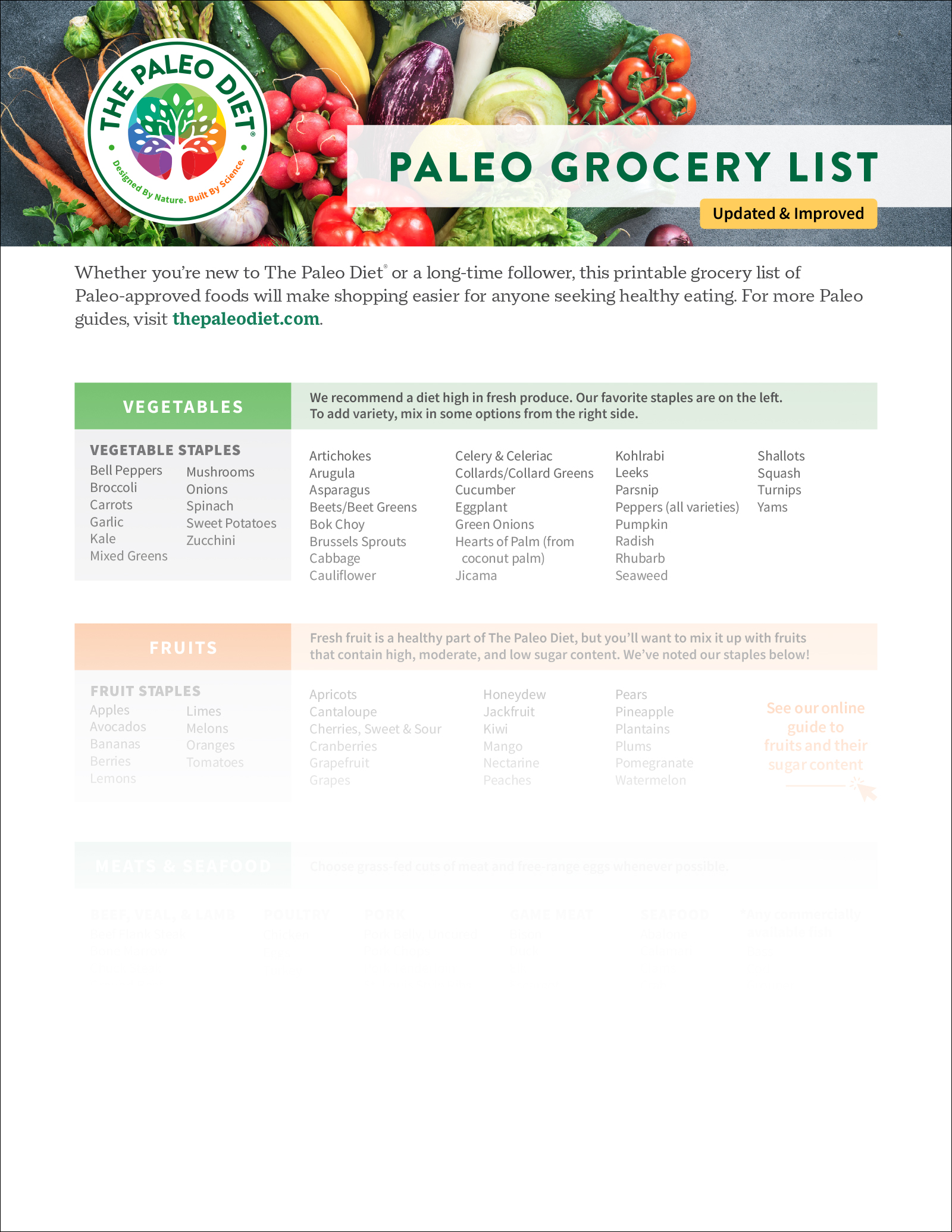
Sign up to get info on healthy nutrition, free recipes, meal prepping, and the latest health research. New subscribers will also receive our Official Paleo Grocery List!
