Just Like the Gut, You Have a Skin Microbiome, and What You Eat Shapes It

You already know that what you eat affects your gut. But your skin, the body’s largest organ, is home to its own thriving ecosystem of bacteria, fungi, and viruses. And just like the gut microbiome, the skin microbiome depends on the right nutritional support to stay in balance.
What Is the Skin Microbiome?
The skin microbiome refers to the collective community of microorganisms that live on and within the skin’s surface layers. This includes bacteria, fungi, viruses, and even mites, all coexisting in a carefully maintained balance.

Far from being invaders, these microorganisms are essential partners in skin health. Research published in the International Journal of Molecular Sciences describes the skin as hosting a “sophisticated co-adapted consortium of commensal microorganisms” that works alongside the body’s immune system to protect against pathogens, regulate inflammation, and maintain the skin barrier.1
These microbial communities occupy distinct ecological zones shaped by the skin’s local environment. Oily areas like the forehead and nose tend to host different communities than dry areas like the forearm or the moisture-rich folds behind the knees.1
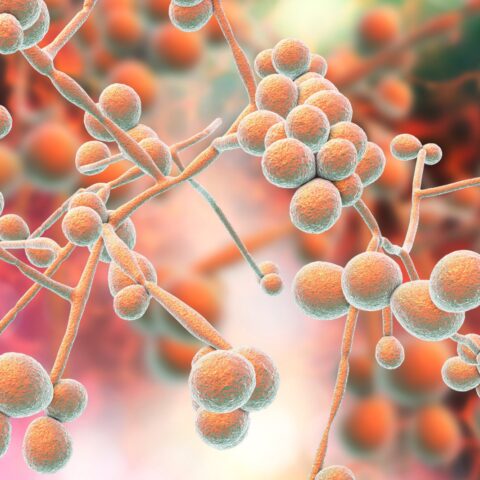
The dominant bacterial players include Cutibacterium (formerly known as Propionibacterium), Staphylococcus, Corynebacterium, and Malassezia fungi. In healthy skin, these organisms help maintain an acidic pH that is critical for barrier function, moisture retention, and keeping harmful pathogens in check.1
When the Balance Is Disrupted
When the skin microbiome falls out of balance (known as dysbiosis), the consequences may show up visibly. A review published in Microorganisms found that a disruption in microbial diversity is frequently associated with common skin disorders including acne, atopic dermatitis (eczema), rosacea, and psoriasis.2
Take acne as a well-studied example. Cutibacterium acnes (C. acnes) is a normal and even beneficial resident of the skin but when certain strains proliferate beyond their healthy range, they trigger inflammation, excess sebum production, and the pore-clogging cascade we recognize as breakouts.3,4 Staphylococcus aureus overgrowth, meanwhile, plays a central role in atopic dermatitis by degrading the skin barrier and amplifying the immune response.2 What drives dysbiosis? A combination of factors including antibiotics, harsh skincare products, environmental exposures, stress, and—increasingly—diet.
The Gut-Skin Axis: Pathways That Connect Your Plate to Your Pores
The connection between diet and skin health is more direct than most people realize, running through several distinct biological pathways, not just general “inflammation.” Scientists call this the gut-skin axis, and understanding the actual mechanisms helps explain why food choices show up on your skin.
Microbial Metabolites Enter Circulation
When gut bacteria ferment dietary fiber, they produce short-chain fatty acids (SCFAs) primarily butyrate, propionate, and acetate. These aren’t just local gut signals. SCFAs are absorbed into the bloodstream, where they act on immune cells throughout the body, including those that patrol the skin. Butyrate in particular suppresses the activity of pro-inflammatory immune cells and helps regulate the T-cell responses that, when overactivated, drive conditions like psoriasis and atopic dermatitis.2
Gut Permeability Changes What Gets In
A diet high in processed foods and refined sugars can degrade the integrity of the gut lining a phenomenon researchers call increased intestinal permeability, or informally, “leaky gut.”
When the tight junctions between intestinal cells loosen, bacterial fragments called lipopolysaccharides (LPS) can pass into circulation. LPS is highly inflammatory, and studies have found elevated LPS endotoxins in the blood of acne patients compared to healthy controls, suggesting a direct link between gut barrier compromise and skin inflammation.5
The Glycemic Spike Pathway
High-glycemic foods trigger a rapid rise in insulin and insulin-like growth factor 1 (IGF-1). IGF-1 directly stimulates the sebaceous glands to produce more sebum and that causes the skin cells in pores to stick together, clogging pores (think: blackheads), which are two of the four core drivers of acne.
It also activates a cellular signaling pathway called mTORC1, which drives more oil-making cells and more oil production, leading to excess oily buildup in the pore.6,7 This is a clear, documented chain: refined carbohydrates spike blood glucose, glucose spikes IGF-1, IGF-1 acts on sebaceous glands, excess sebum feeds the environment in which pathogenic C. acnes strains thrive.
Gut Bacteria Regulate Immune Cell Education
Much of the immune system is physically located in and around the gut, where microbes essentially “train” immune cells on what to attack and what to tolerate. A diverse gut microbiome produces a well-calibrated immune response; a depleted one tends toward dysregulation.
Because skin is an immune-active tissue constantly patrolled by mast cells (which release inflammatory chemicals), T cells (which direct immune responses), and dendritic cells (those that “scout” the skin and train T cells how to react), the quality of that immune education directly affects how the skin responds to its own microbial residents. Gut dysbiosis can tip skin immunity toward chronic low-grade inflammation, creating conditions where even normal skin microbes like Cutibacterium or Malassezia trigger an exaggerated response.2
Nutrients & Foods That Directly Support the Skin Microbiome
If the skin microbiome is sensitive to what we eat, which foods are worth emphasizing? The evidence points to several key categories, outlined below. Notably, these are all foods and nutrients that can be eaten on a Paleo diet.
Omega-3 Fatty Acids
Fatty fish like wild salmon and sardines, along with walnuts and flaxseeds, are rich in omega-3 polyunsaturated fatty acids. These fats help maintain the critical ratio between omega-3 and omega-6 fatty acids; an imbalance toward omega-6 (common in processed-food diets) promotes inflammation that has been linked to atopic dermatitis. Omega-3s have also been shown to reduce the inflammatory molecules directly linked to acne and skin dryness.2
Polyphenol-Rich Plants
Polyphenols are antioxidant compounds found in berries, leafy greens, olive oil, and green tea. They are particularly valuable because they reach the colon largely undigested, where they act as selective fuel for beneficial bacterial strains. Berries such as cranberry are especially high in these compounds, supporting both gut microbiome diversity and reducing oxidative stress at the skin level.8
Fermented Foods
Kimchi, sauerkraut, and other traditionally fermented foods deliver live beneficial bacteria (probiotics) alongside enzymes and organic acids that support a diverse microbiome. Regular consumption has been associated with improved skin radiance and reduced skin inflammation, with some research noting that these foods can help balance the gut bacteria that communicate with skin immune pathways.9
Though some fermented foods are not considered part of The Paleo Diet, you can still enjoy the benefits with low-sodium or dairy-free options, like in the recipes below:
Prebiotic Fiber
Prebiotics are the food source for the beneficial bacteria already living in your gut. Garlic, onions, asparagus, and leeks are excellent sources. So are leafy greens like kale and spinach, which provide both prebiotic fiber and phytonutrients that support gut lining integrity: a factor directly tied to systemic inflammation and, by extension, skin health.
Nuts and Seeds
Pumpkin seeds, almonds, and flaxseeds offer a potent combination of zinc, vitamin E, and omega-3 fats. Zinc is particularly notable for skin: it supports tissue repair, helps regulate sebum production, and has been shown to reduce acne severity.10 Vitamin E protects skin cells from oxidative damage,11 while the fiber in these foods nourishes beneficial gut bacteria.
What Disrupts the Skin Microbiome Through Diet
The flipside is just as important. Processed foods, added sugars, artificial sweeteners, and excess alcohol all promote gut dysbiosis, reducing total bacterial abundance, lowering microbial diversity, and triggering pro-inflammatory pathways that show up on the skin.2
High-glycemic foods deserve special attention in the context of acne: by spiking insulin and IGF-1, they stimulate the sebaceous glands and may tip the C. acnes balance from commensal to problematic.6,7
A New Lens on an Old Idea
The science of the skin microbiome is still young and researchers are only beginning to map the full complexity of how these microbial communities interact with diet, immunity, and skin physiology. But what’s already clear is that the skin is not a passive barrier. It’s a living ecosystem, and like any ecosystem, it is shaped by its environment.
Diet is one of the most powerful levers we have, and The Paleo Diet is the ideal alignment for eating to support the skin microbiome. Emphasis on whole, unprocessed foods rich in omega-3s, diverse plant polyphenols, fermented foods, and fiber maps closely onto what the emerging skin microbiome research identifies as supportive of microbial balance. Avoiding refined grains, added sugars, and unhealthy oils removes the inputs most likely to drive the dysbiosis that underlies visible skin problems.
Clear skin has always been one of the most cited benefits reported by people who adopt a clean diet. The skin microbiome may finally help explain why.
References
- Smythe P, Wilkinson HN. The Skin Microbiome: Current Landscape and Future Opportunities. Int J Mol Sci. 2023;24(4):3950. https://doi.org/10.3390/ijms24043950
- De Pessemier B, Grine L, Debaere M, et al. Gut-Skin Axis: Current Knowledge of the Interrelationship between Microbial Dysbiosis and Skin Conditions. Microorganisms. 2021;9(2):353. https://doi.org/10.3390/microorganisms9020353
- Rozas M, Hart de Ruijter A, Fabrega MJ, et al. From Dysbiosis to Healthy Skin: Major Contributions of Cutibacterium acnes to Skin Homeostasis. Microorganisms. 2021;9(3):628. https://doi.org/10.3390/microorganisms9030628
- Li M, Dai Y, Xu Y, et al. The Mechanism and Research Progress of Skin Microbiota in Pathogenesis of Acne. Dermatol Res Pract. 2025;2025:9910076. https://doi.org/10.1155/drp/9910076
- Deng Y, Wang H, Zhou J, Mou Y, Wang G, Xiong X. Patients with Acne Vulgaris Have a Distinct Gut Microbiota in Comparison with Healthy Controls. Acta Derm Venereol. 2018;98(8):783–790. https://doi.org/10.2340/00015555-2968
- Melnik BC. Western Diet-Induced Imbalances of FoxO1 and mTORC1 Signalling Promote the Sebofollicular Inflammasomopathy Acne Vulgaris. Exp Dermatol. 2016;25(2):103–104. https://doi.org/10.1111/exd.12898
- Kim JE, Kim HJ, Lim DJ, et al. Insulin-Like Growth Factor-1 Increases the Expression of Inflammatory Biomarkers and Sebum Production in Cultured Sebocytes. Ann Dermatol. 2017;29(1):20–25. https://doi.org/10.5021/ad.2017.29.1.20
- Christman L, De Benedetto A, Johnson E, Khoo C, Gu L. Polyphenol-Rich Cranberry Beverage Positively Affected Skin Health, Skin Lipids, Skin Microbiome, Inflammation, and Oxidative Stress in Women in a Randomized Controlled Trial. Nutrients. 2024;16(18):3126. https://doi.org/10.3390/nu16183126
- Shi X, Li Y, Cheng Y, Liu W, Li Z, Jin H, Kwok L, Sun Z. Emerging roles of lactic acid bacteria in health management: Insights from fermented foods to microbiota. Food Biosci. 2026;75:108088. https://doi.org/10.1016/j.fbio.2025.108088
- Yee BE, Richards P, Sui JY, Marsch AF. Serum zinc levels and efficacy of zinc treatment in acne vulgaris: A systematic review and meta-analysis. Dermatol Ther. 2020;33:e14252. https://doi.org/10.1111/dth.14252
- Ghazali NI, Mohd Rais RZ, Makpol S, Chin KY, Yap WN, Goon JA. Effects of tocotrienol on aging skin: A systematic review. Front Pharmacol. 2022;13:1006198. https://doi.org/10.3389/fphar.2022.1006198
Brian Keenan, ND, DOM
Dr. Brian Keenan is a naturopathic doctor, doctor of East Asian medicine, and licensed acupuncturist whose work bridges ancient wisdom with modern science.
More About The Author
Skin Health
The Paleo Diet® Newsletter
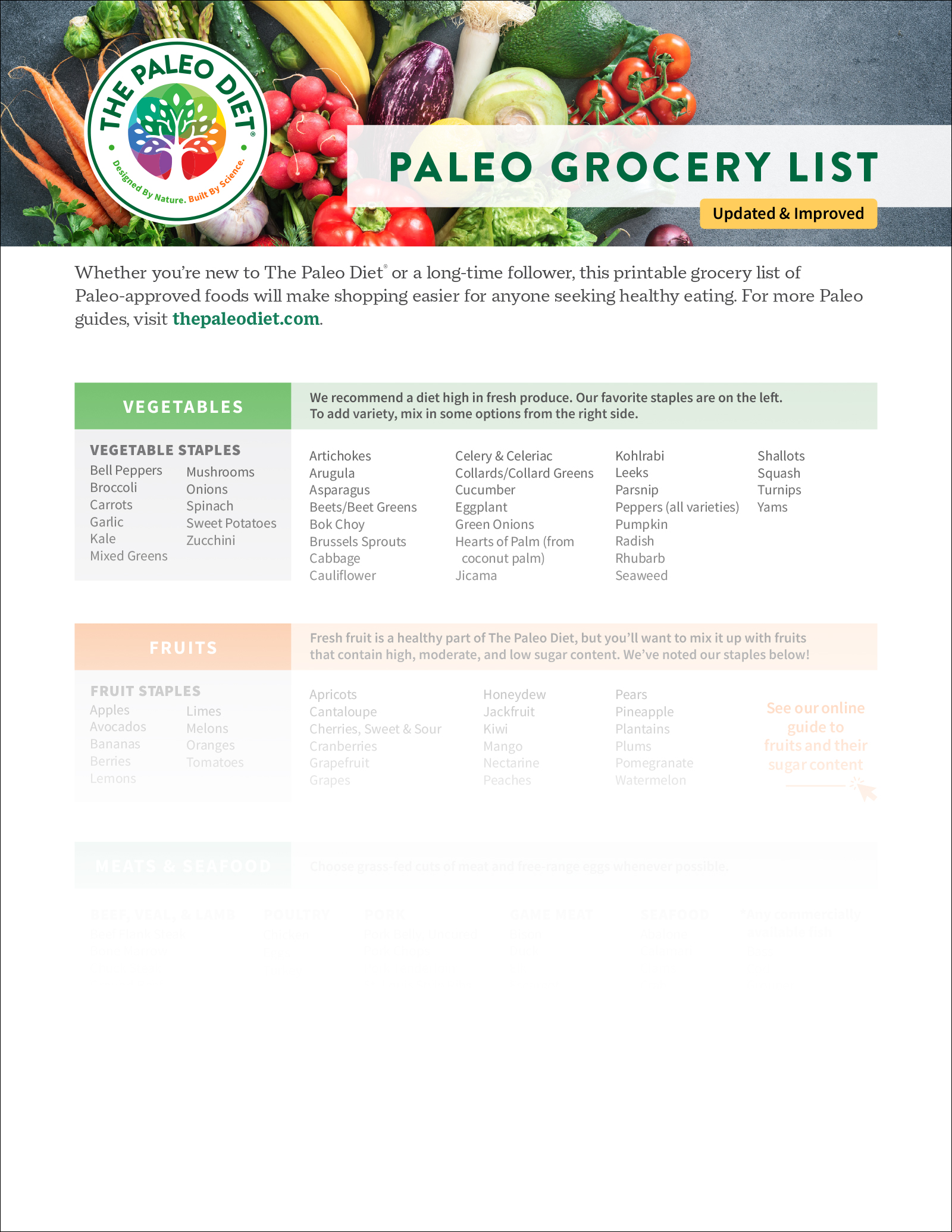
Sign up to get info on healthy nutrition, free recipes, meal prepping, and the latest health research. New subscribers will also receive our Official Paleo Grocery List!
