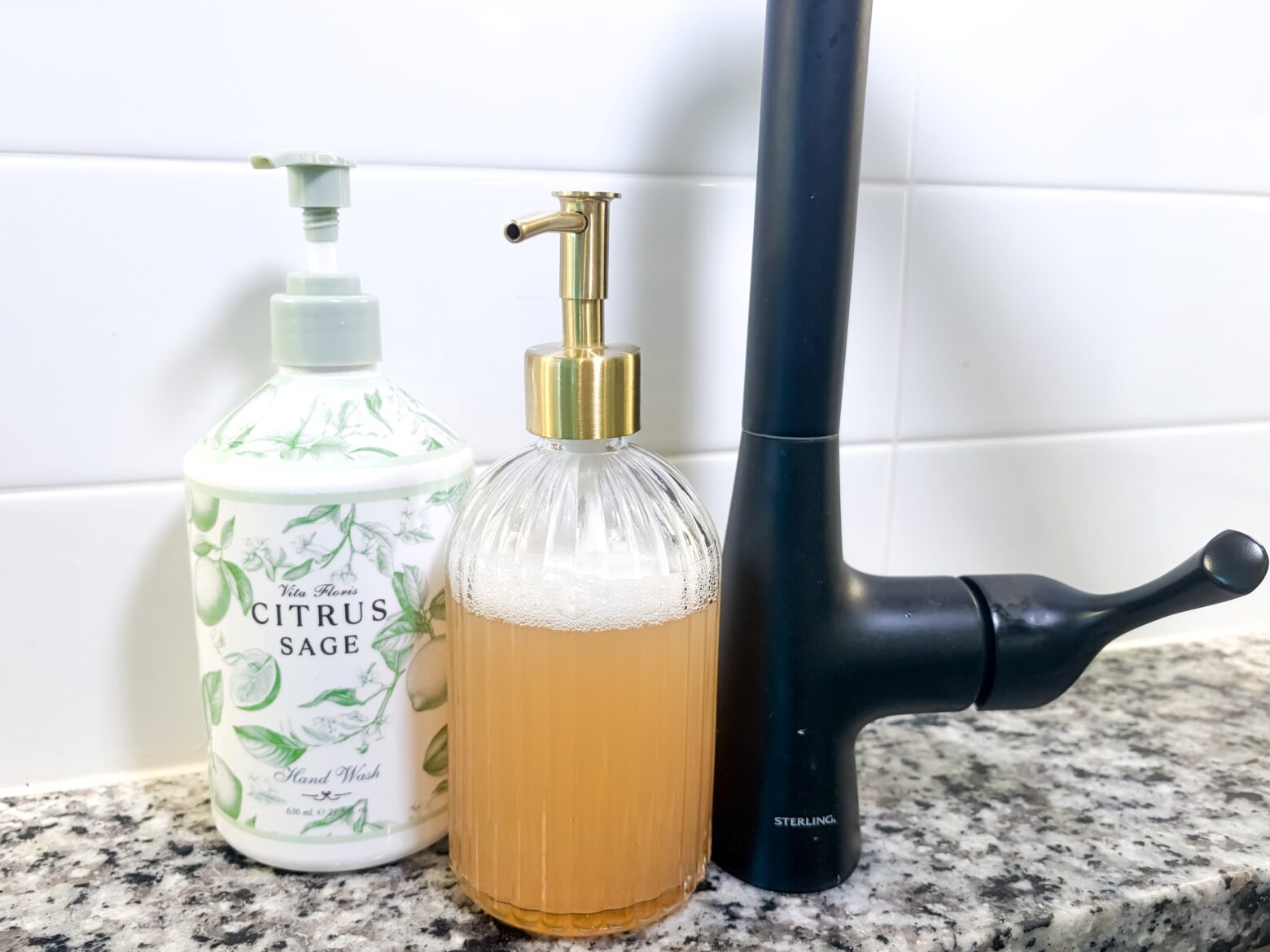
Have you ever wondered what chemicals are hiding in your dish soap? With so many unfamiliar ingredients found in household cleaners, making your own homemade dish soap is one simple way to ensure the products you’re using aren’t detrimental to your health. Using a handful of simple ingredients, you can create an effective alternative that gets dishes clean without all the toxic dish soap residue that you may ingest when using your tableware.
The base ingredient of this homemade dish soap is soapnut powder, also known as reetha and aritha powder. The powder is made from dried, crushed soapberry shells, which contain a powerful ingredient: saponins. In fact, saponins act as natural surfactants, helping lift grease and grime while potentially disrupting the biofilms that bacteria use to adhere to surfaces.1
Most surfactants like saponins tend to dry skin, so we added aloe vera to our homemade dish soap to help protect the hands while washing dishes. It’s a popular skincare ingredient, as aloe vera has been proven to have many skin healing benefits, including hydration and reducing redness and irritation.2
While you can use regular tap water for this recipe, we recommend using distilled water to ensure no harmful bacteria or other impurities get in the soap—especially when storing it at room temperature next to the sink. Always consider using distilled water for any DIY or homemade cleaning solution.
It’s not just the foods and drinks we consume that can affect our health. The products we use around our homes matter, too. When shopping for household products and cleaners, look for simple, naturally derived ingredients and choose products that align with your needs. Better yet, take control of the ingredients by making your own homemade dish soap with simple, all-natural ingredients.
TIP: Any combination of essential oil scents can be used to make the aroma of your choice, just make sure they’re 100% pure essential oils.
Love our recipes? Get weekly recipes delivered straight to your inbox with our Substack newsletter! Sign up today for $5 a month.
References
- Dong, S., Yang, X., Lei, Z., Zhang, F., Hou, Z., & Peng, X. (2020). Antibacterial activity and mechanism of action saponins from Chenopodium quinoa Willd. husks against foodborne pathogenic bacteria. Industrial Crops and Products, 149, 112350. https://doi.org/10.1016/j.indcrop.2020.112350
- Fox, L. T., du Plessis, J., Gerber, M., van Zyl, S., Boneschans, B., & Hamman, J. H. (2014). In vivo skin hydration and anti-erythema effects of aloe vera, aloe ferox and aloe marlothii gel materials after single and multiple applications. Pharmacognosy Magazine, 10(Suppl 2), S392–S403. https://doi.org/10.4103/0973-1296.133291
Homemade Dish Soap
- Recipe by: Isabella Mead
- Serves: 40
- Serving Size: 1 wash
- Meal: Lifestyle
- Serves: 40
- Serving Size: 1 wash
- Prep Time: 5 minutes
- Cook Time: 5 minutes
- Total Time: 10 minutes
Ingredients
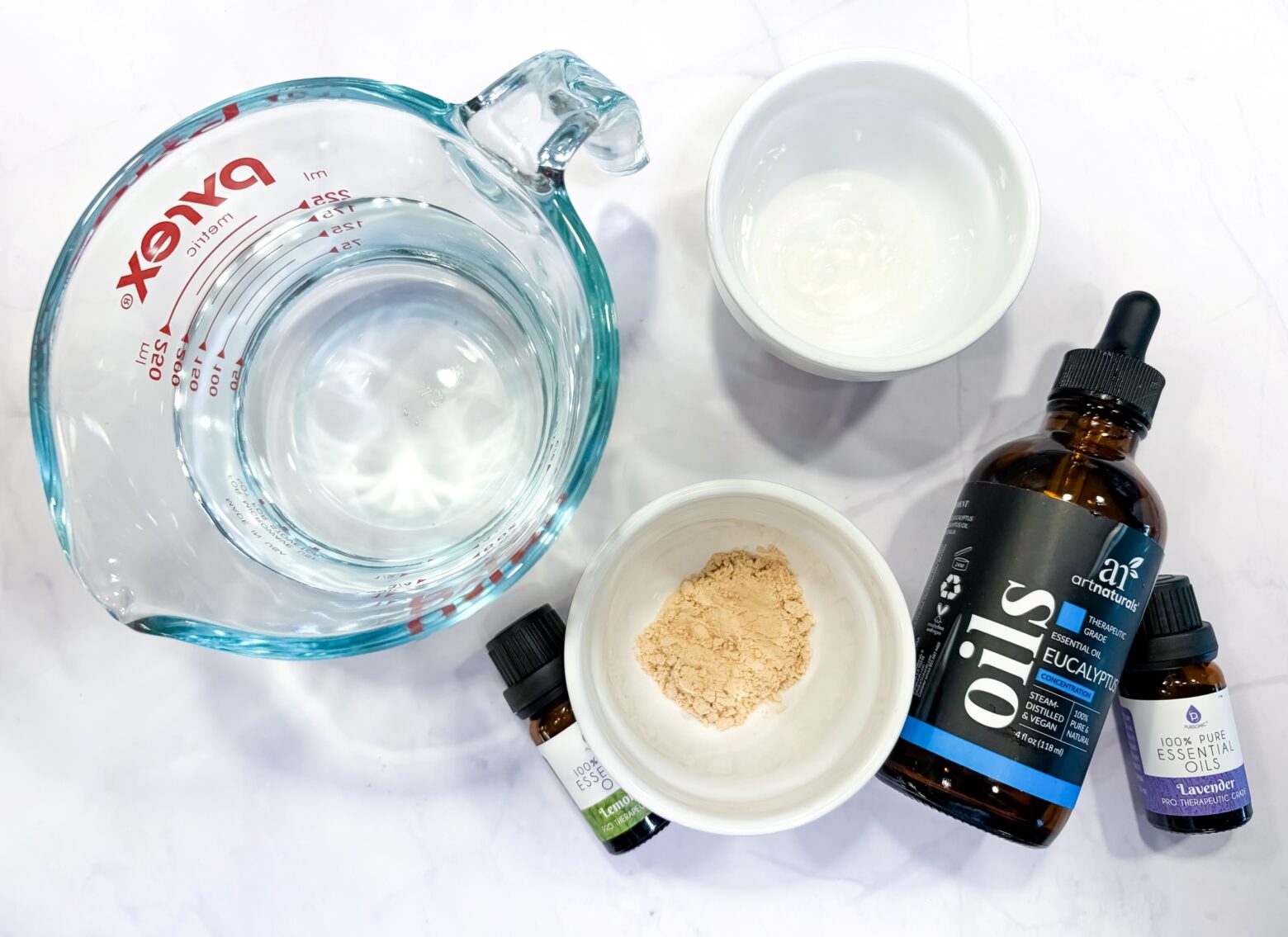
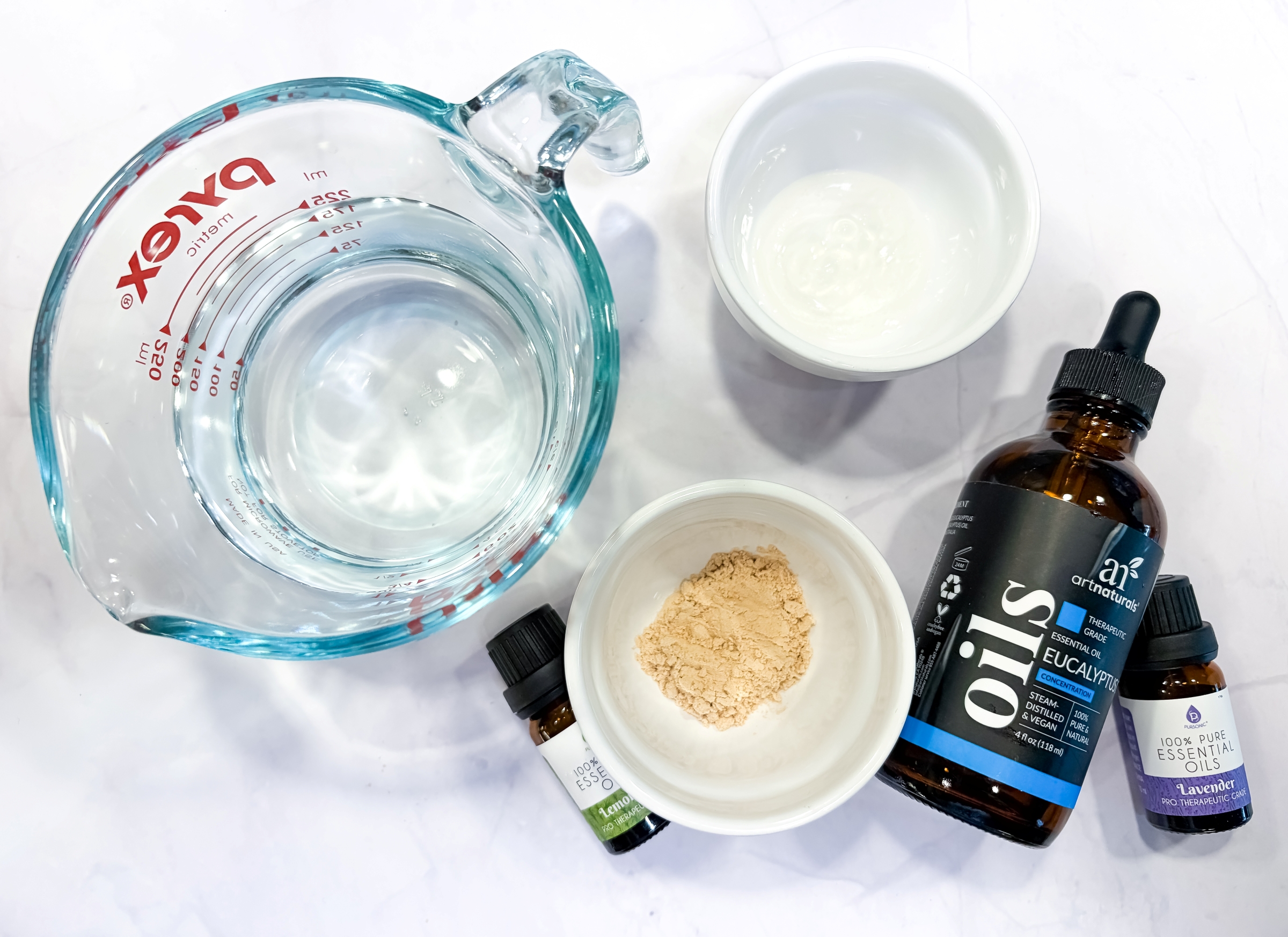
11⁄2 cups distilled water
2 tsp. 100% soapnut powder
3 tsp. aloe vera gel
3 drops lemongrass essential oil
3 drops eucalyptus essential oil
3 drops lavender essential oil
Glass pump-action soap dispenser
Directions
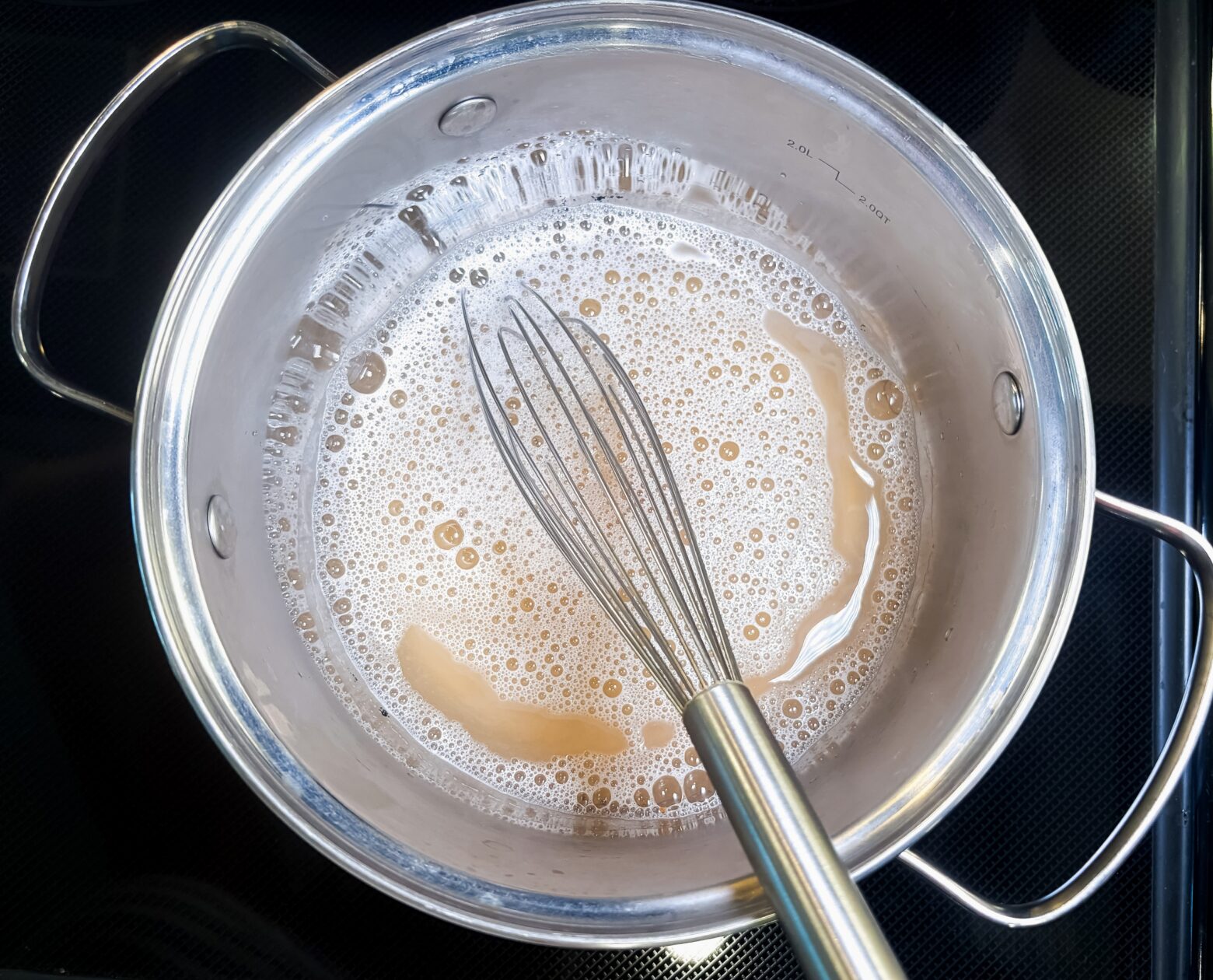
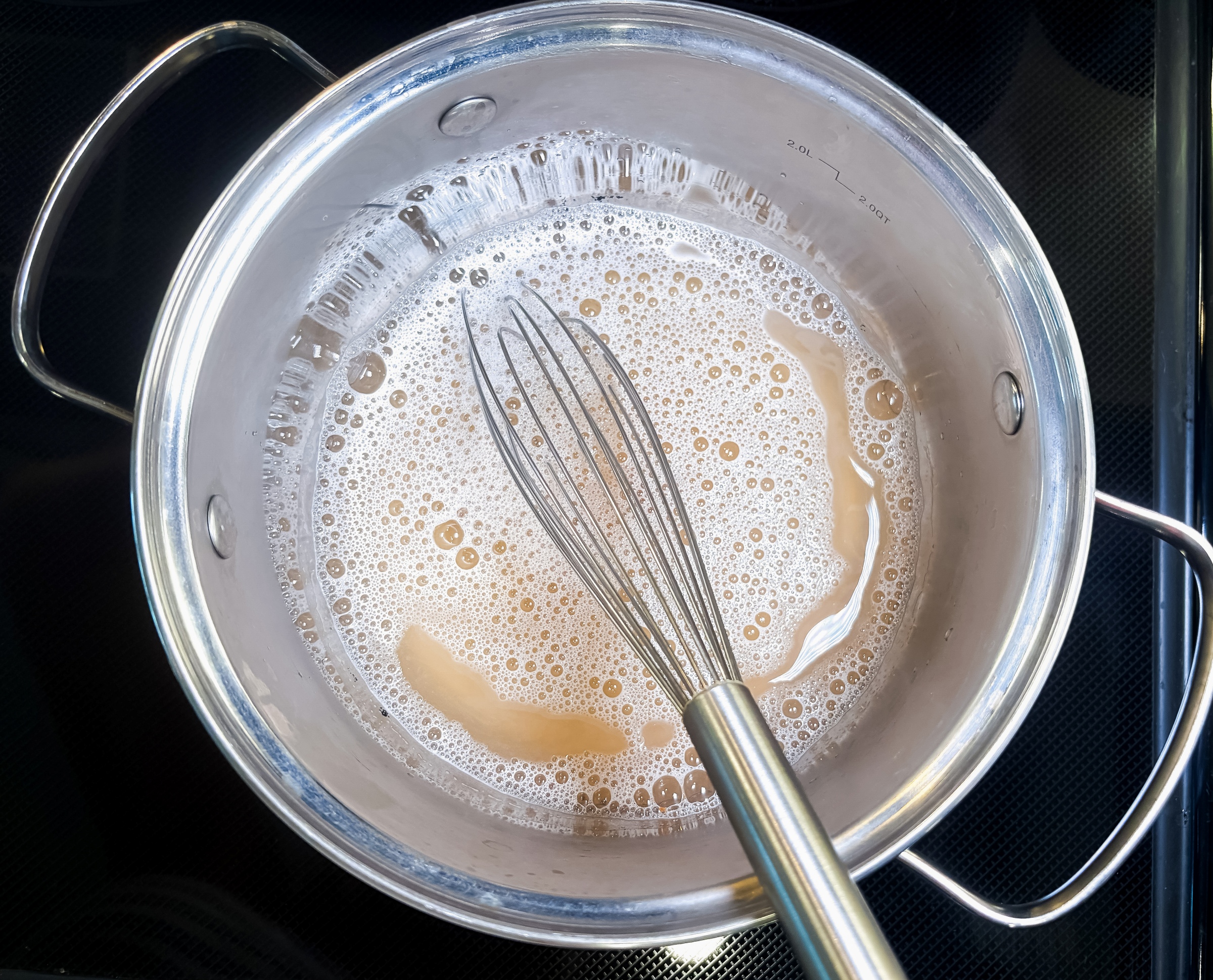
Warm distilled water in a saucepan over low-medium heat for about 3-5 minutes.
Whisk in soapnut powder until dissolved. Remove from heat and let cool 5 minutes.
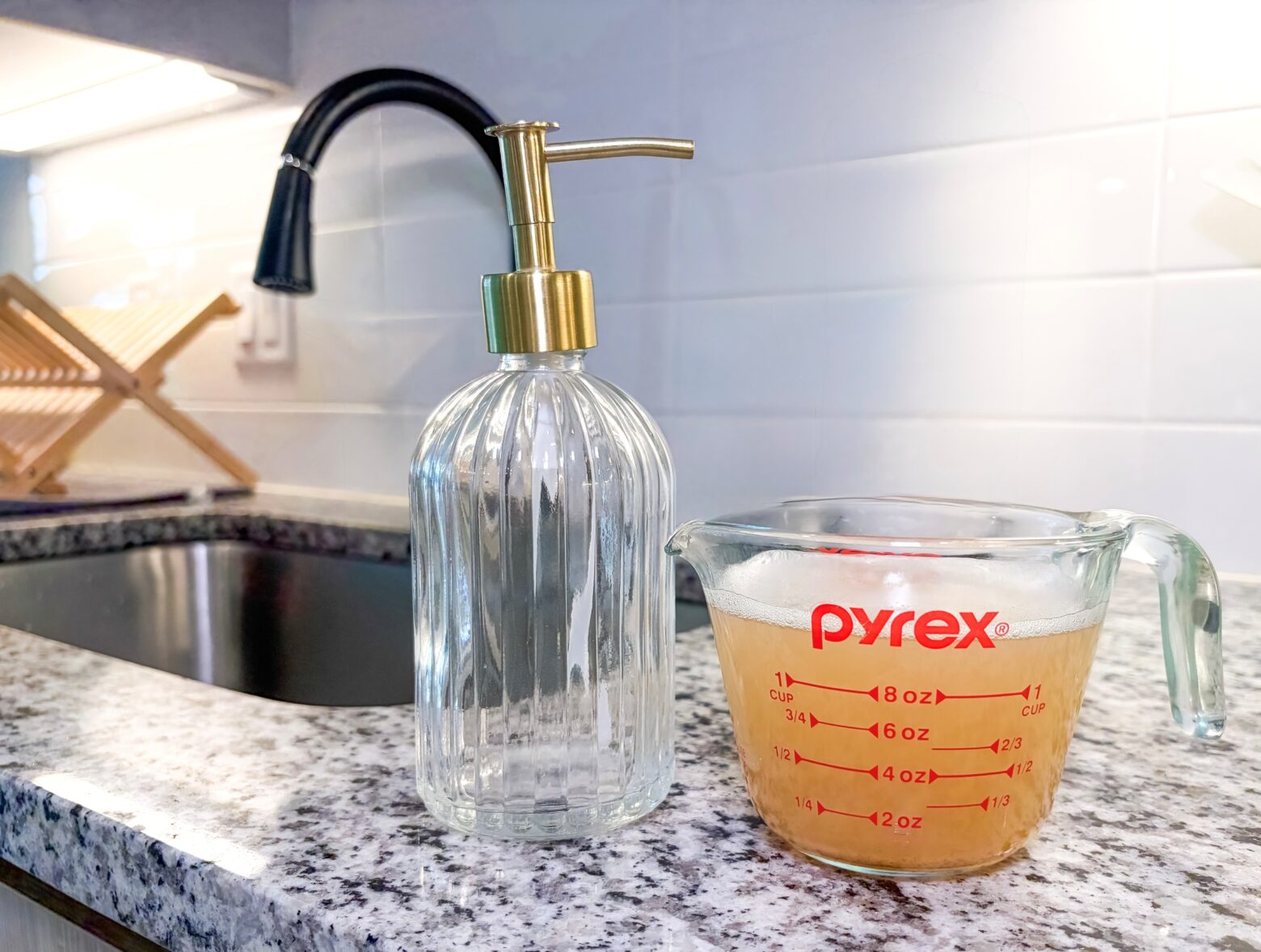
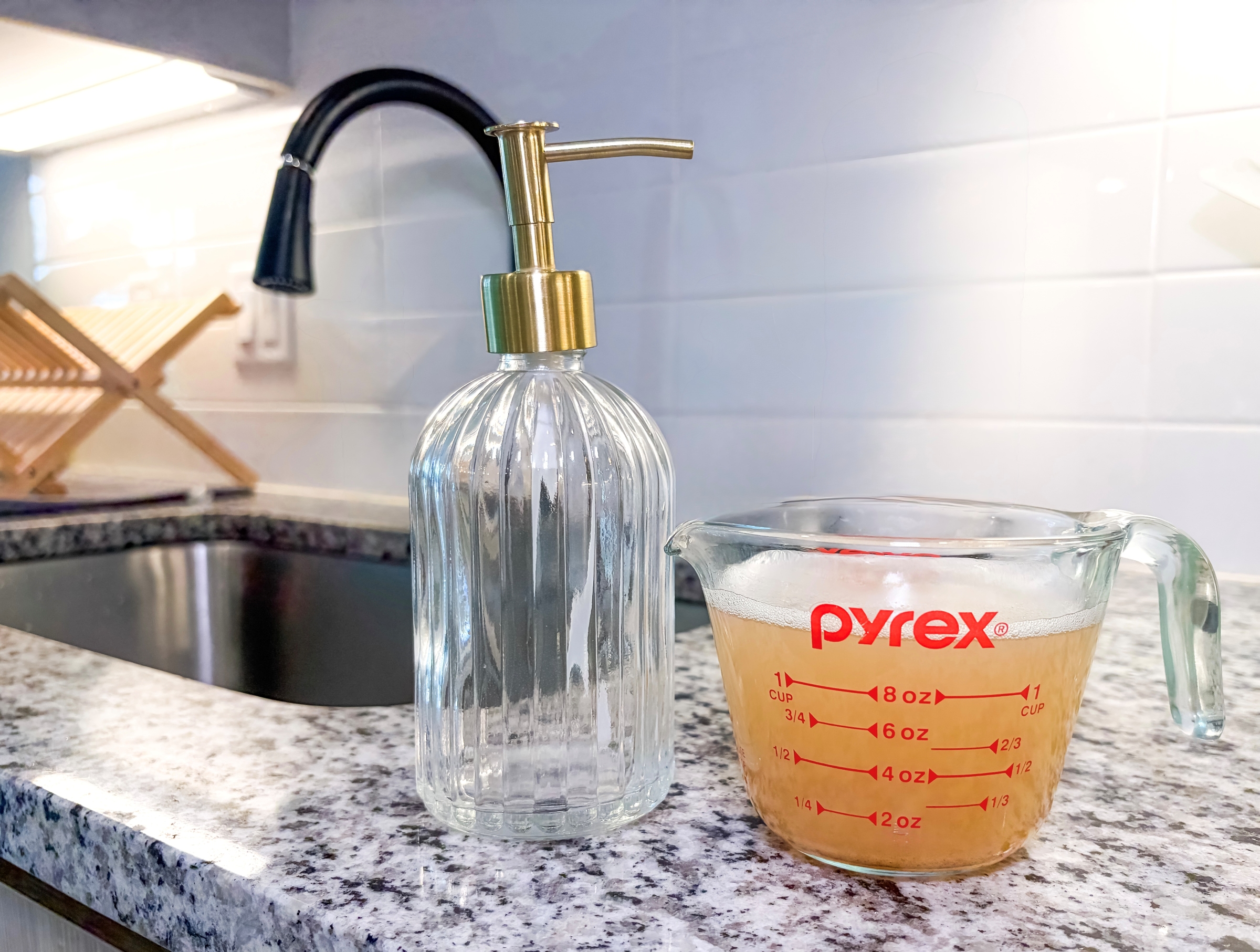
Add aloe vera and essential oils and stir until combined.
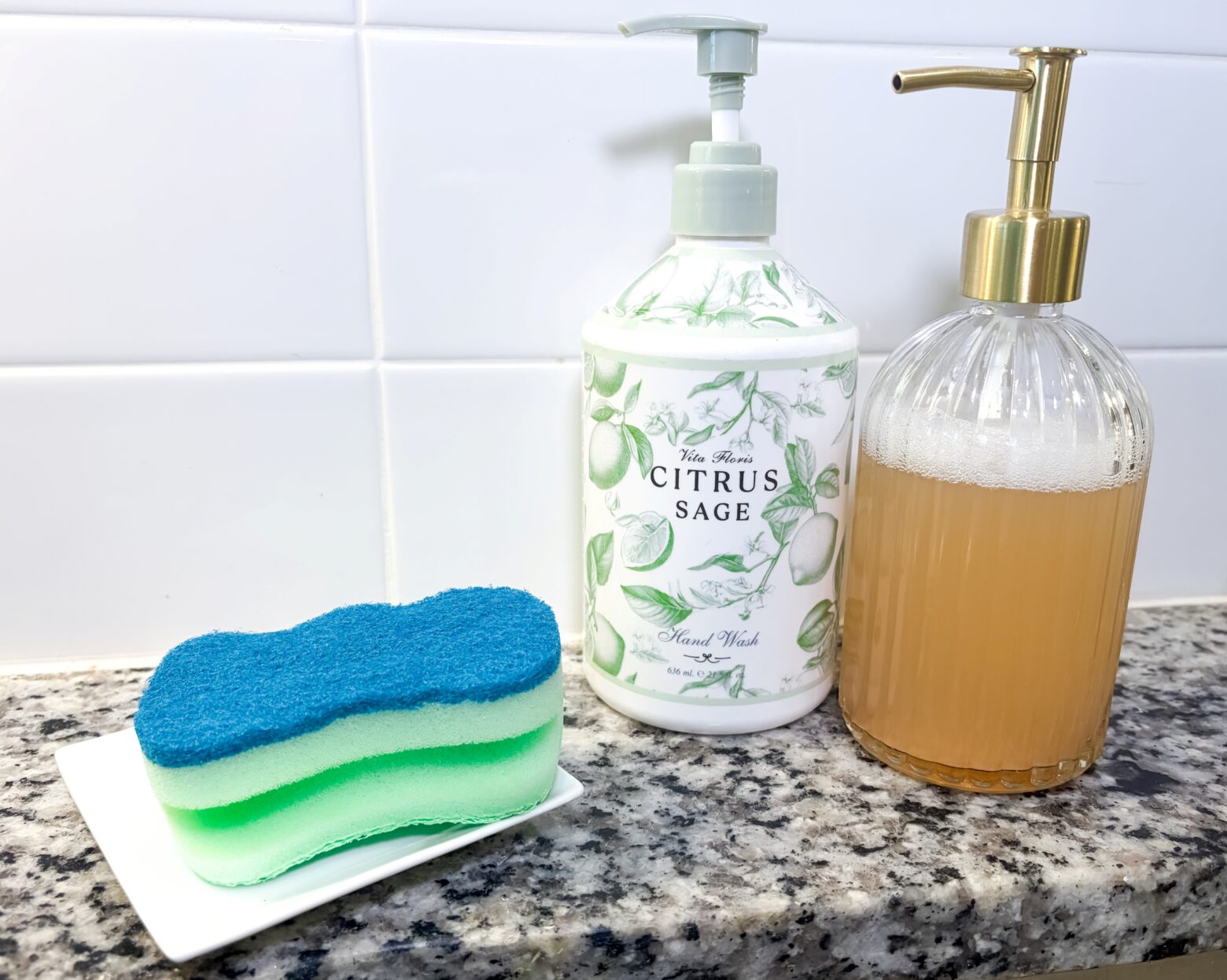
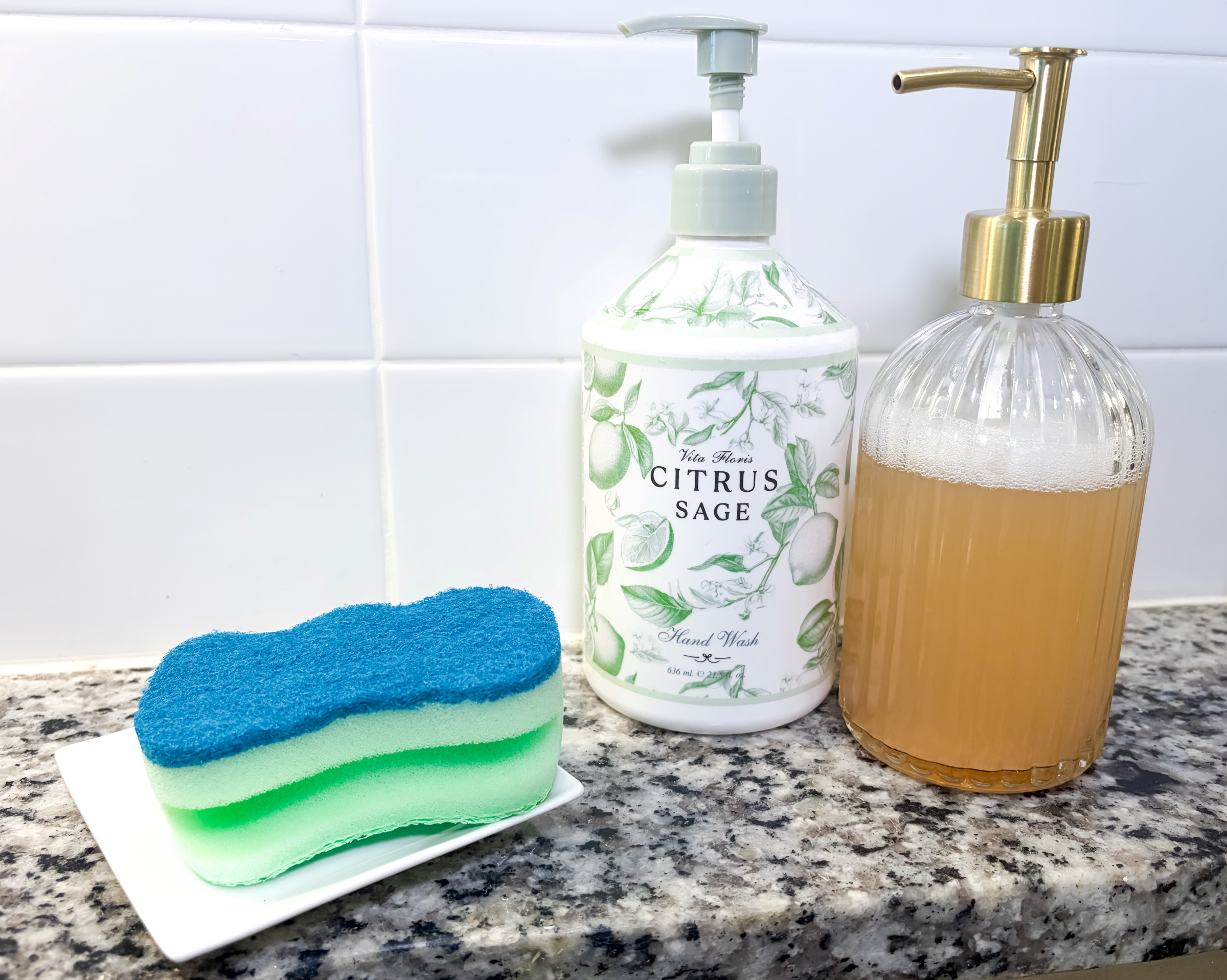
Pour into a clean, pump-action soap dispenser bottle and gently swirl to mix before use.
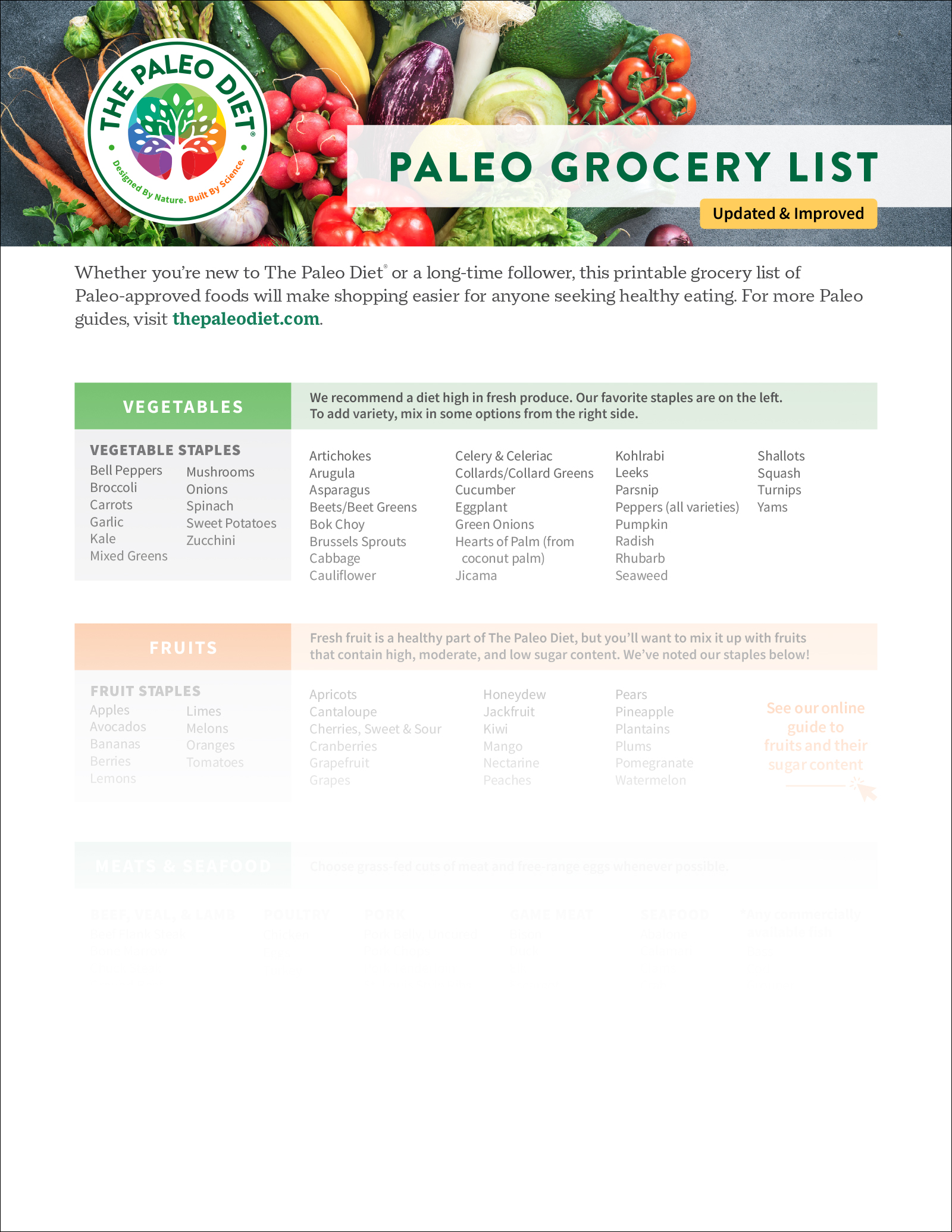
The Paleo Diet® Newsletter
Sign up to get info on healthy nutrition, free recipes, meal prepping, and the latest health research. New subscribers will also receive our Official Paleo Grocery List!