What Does “Non-Toxic” Really Mean?
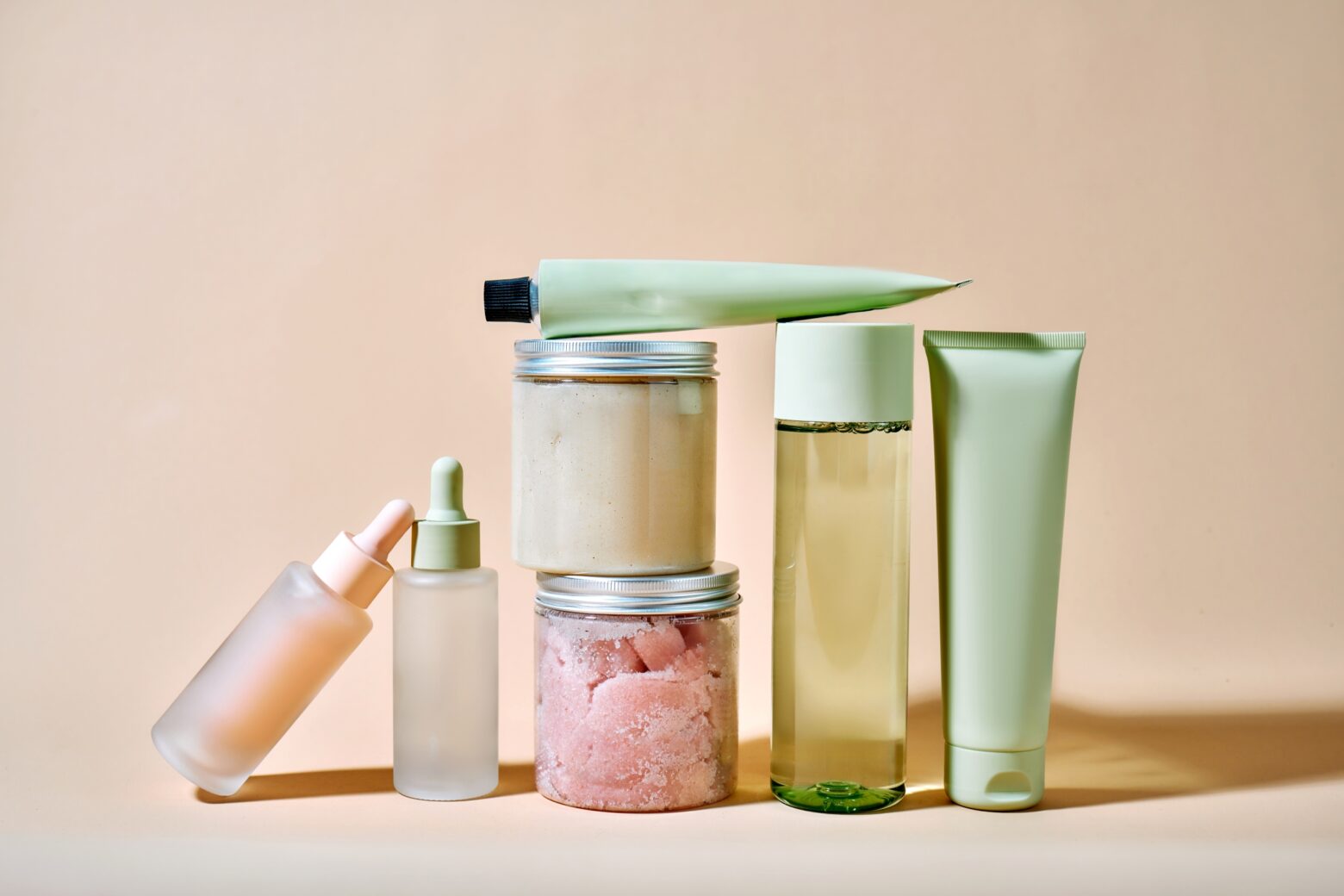
“Non-toxic” appears on cookware, cosmetics, packaging, food, and even here on The Paleo Diet®, but it’s important to understand that the term has different meanings across industries. And in many cases, it implies safety without a clear scientific or regulatory basis.
In general, non-toxic means a substance does not poison the groundwater, make animals sick, or harm the body in small amounts. While great in theory, this idea is harder to pin down in practice because the term “non-toxic” is widely used in marketing, shaping both consumer trust and health decisions.
Where Did “Non-Toxic” Come From?
Paracelsus, a Swiss physician of the 16th century, is often credited with the principle that “the dose makes the poison,”1 which means that every substance can be toxic if you take too much of it and that almost any substance is “non-toxic” at a small enough dose.
The problem with this definition is that early toxicologists were usually looking at acute toxicity, meaning does it cause immediate harm, illness, or death? If not, then it was considered an “ordinary dose” or “non-toxic.” But this definition has a major flaw when applied today due to bioaccumulation or endocrine disruption, among other concerns. In other words, these “ordinary doses” can still carry hidden, long-term risks.
That hasn’t stopped companies from using “non-toxic” as a marketing buzzword, though. As environmental and consumer movements grew in the late 20th century, the term moved out of the lab and onto packaging and in green marketing and wellness culture in the 2000s. But there is no testing requirement or certification body associated with the term, so its meaning has always depended on whoever uses it.
The Science of Toxicity
The harm from toxins depends on both the amount of substance and the length of exposure. A one-time high level of exposure impacts your body differently than a small amount of exposure over years, but current research on endocrine-disrupting chemicals, such as atrazine (one of the most commonly applied herbicides in the United States that is often used to control weeds in corn, sorghum, and sugarcane crops), suggests that even very low, chronic doses may affect hormone function, particularly during early development.2 These chemicals may not harm you at an “ordinary dose” today, but they stay in your body forever. Over decades, they build up and can cause chronic illnesses.
Beyond the accumulation, certain modern chemicals (like those in plastics or pesticides) can mimic human hormones, causing different types of harm than at large doses.2 And because people are rarely exposed to just one chemical at a time, researchers have also started evaluating cumulative exposure: how multiple substances might interact rather than looking at each one in isolation.3
These complexities make “non-toxic” an oversimplification of what’s actually a dose-, timing-, and mixture-dependent question.
Why There Are Gaps in Toxicity Regulation
In the U.S., the federal legal standard threshold for toxic labeling is based solely on acute lethality,4 so a product that clears that bar has no further federal barrier to being marketed as “non-toxic.” Even if it contains chemicals linked to long-term health issues, it can still carry the label.
Under U.S. law, chemicals are also assumed safe until proven otherwise. That means tens of thousands of older chemicals already on the market were never fully tested, and new ones can go on sale before anyone checks their safety.5 Industry lobbying and shifting political priorities can also weaken these safety reviews over time.
Legal loopholes add to the problem: companies can label fragrance ingredients a “trade secret” to avoid disclosing them,6 and food companies can decide for themselves that an ingredient is safe without government review.7
Add in the fact that U.S. oversight agencies like the Environmental Protection Agency, Food & Drug Administration, and Federal Trade Commission have overlapping jurisdictions and limited enforcement powers, and it becomes clear how the marketing term “non-toxic” remains largely unregulated, leaving health-conscious consumers to navigate deceptive greenwashing on their own.
RELATED: Untangling the Confusion Around Food Health Claims
Why Language Shapes Health Choices
Words like “non-toxic” or “clean” tend to influence buying decisions more than any kind of data does, simply because most people don’t have time to dig into toxicology reports before choosing a cutting board. They want to trust a label that says a product is good for them and their loved ones. Unfortunately, these undefined terms create confusion and erode trust.
The Paleo Diet has written before about spotting these gaps between marketing language and evidence, and the same principle applies here: a term earns trust when it’s tied to a verifiable standard, not just a pleasant connotation.
The Paleo Diet Perspective
The Paleo Diet’s approach to nutrition is designed to limit unnecessary exposure to toxins by prioritizing whole, minimally processed foods. This naturally reduces consumers’ interactions with synthetic additives and packaging chemicals, and the same thinking is applied to other kitchen choices, from cookware to food storage containers. (For clarity, the times we have used “non-toxic” in our content has been in connection with search terms that consumers themselves are using to find products.)
We aren’t interested in policing words, but we do want to help people understand which claims are evidence-backed and which are unregulated, vague terms meant to instill false faith. When food and lifestyle choices can be made with clearer information, it’s a win for your health. To that end, we support partnerships across science, industry, and advocacy to advance meaningful standards.
Where Do We Go from Here?
With “non-toxic” entering the lexicon, awareness is raising around what is in our food, cookware, and other products, but it’s the first step of the journey. The future final standard depends on having language that represents clear evidence and public health science, and is held to the same standard across every industry and every product. Closing that gap between awareness and accountability will likely require the kind of shared definition and verification process that “organic” eventually got.
Tangible Next Steps for Consumers
- Ask what evidence backs a “non-toxic” claim before assuming it’s tested or certified.
- Learn which labels (like USDA Organic) are legally defined and which aren’t.
- Favor companies that publish sourcing and safety testing rather than relying on the word alone.
References
- Michaleas, S. N., Laios, K., Tsoucalas, G., & Androutsos, G. (2021). Theophrastus Bombastus Von Hohenheim (Paracelsus) (1493–1541): The eminent physician and pioneer of toxicology. Toxicology Reports, 8, 411–414. https://pubmed.ncbi.nlm.nih.gov/33717994/
- National Institute of Environmental Health Sciences. (n.d.). Endocrine disruptors. https://www.niehs.nih.gov/health/topics/agents/endocrine
- Gabb, H. A., & Blake, C. (2016). An informatics approach to evaluating combined chemical exposures from consumer products: A case study of asthma-associated chemicals and potential endocrine disruptors. Environmental Health Perspectives, 124(8), 1155–1165. https://www.ncbi.nlm.nih.gov/pmc/articles/PMC4977060/
- Consumer Product Safety Commission. (n.d.). Federal Hazardous Substances Act (FHSA) requirements. https://www.cpsc.gov/Business–Manufacturing/Business-Education/Business-Guidance/FHSA-Requirements
- Krimsky, S. (2017). The unsteady state and inertia of chemical regulation under the US Toxic Substances Control Act. PLoS Biology, 15(12), e2002404. https://pmc.ncbi.nlm.nih.gov/articles/PMC5734679/
- U.S. Food and Drug Administration. (n.d.). Fragrances in cosmetics. https://www.fda.gov/cosmetics/cosmetic-ingredients/fragrances-cosmetics
- Pew Charitable Trusts. (2013). Fixing the oversight of chemicals added to our food. https://www.pew.org/en/research-and-analysis/reports/2013/11/07/fixing-the-oversight-of-chemicals-added-to-our-food
Tiffany Nieslanik
Tiffany is a freelance writer covering health and wellness, parenting, lifestyle, and consumer technology. With a passion for research-backed storytelling and a personal interest in food as medicine, she brings a thoughtful approach to writing about wellness and nutrition.
More About The Author
Family & Household




The Paleo Diet® Newsletter
Sign up to get info on healthy nutrition, free recipes, meal prepping, and the latest health research. New subscribers will also receive our Official Paleo Grocery List!
