Understanding the Food Sovereignty Movement and Why It Matters
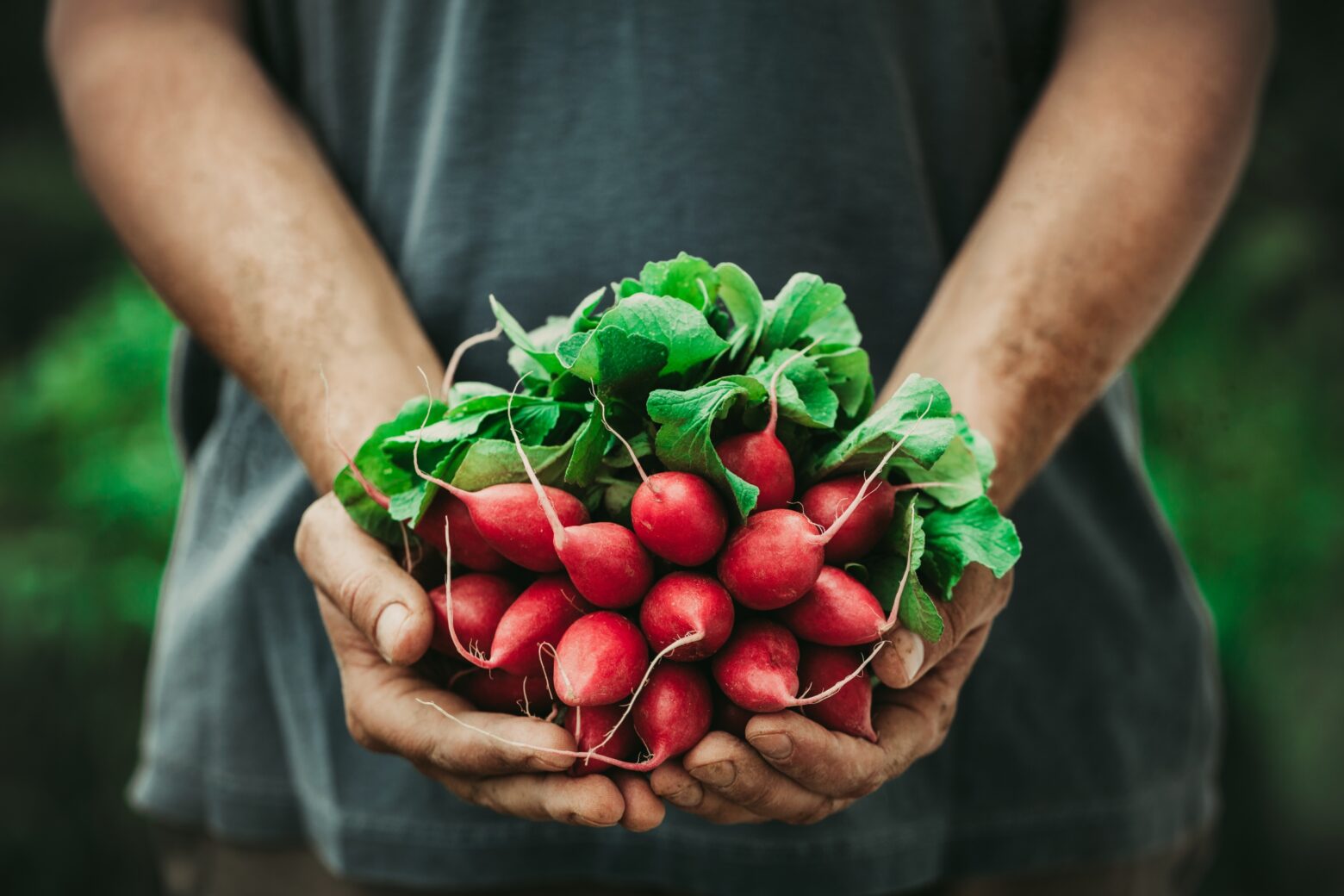
Food sovereignty is the idea that communities should shape their own food and farming systems, from the local level up to global policy. It argues for a rights-based approach, asking who needs to be involved and what obstacles stand in the way of building more diverse farming systems that can feed people while also helping the planet. The Paleo Diet® has always emphasized eating whole foods traceable to real farms and real people, not anonymous industrial supply chains, so this question of who controls food and how it’s grown sits close to home.
Where Did the Food Sovereignty Movement Come From?
The movement began in the mid-1990s, when small-scale farmers, Indigenous communities, fishers, and peasant groups around the world faced the same set of problems. These included harsh economic policies imposed on their countries, disappearing biodiversity, climate change, rural poverty, and rising hunger.

La Via Campesina, a global movement of peasants and rural peoples, coined the term “food sovereignty” in 1996. The goal was, and remains, to “insist on the centrality of small-scale food producers, the accumulated wisdom of generations, the autonomy and diversity of rural and urban communities, and solidarity between peoples as essential components for crafting policies on food and agriculture.”1 Since then, thousands of organizations and social movements worldwide have embraced this idea and continued to define the movement further.
Why Is There a Need for Food Sovereignty?
Before the 1990s, the idea of “food security,” which is defined as the availability and ability to access sufficient quantities of nutritious, culturally appropriate food for an active life, dominated governance and policymaking. After WWII, states invested heavily in industrializing food systems to address food insecurity. However, a 2021 estimate found that almost 2.3 billion people (nearly 30% of the world) still face food insecurity. Many advocates view food sovereignty as a sustainable path to achieving true, lasting food security.2
Beyond the ineffectiveness of feeding people through industrializing food systems, small-scale farmers and Indigenous communities worldwide have found their traditional lands and livelihoods threatened by agribusiness expansion into their territories. These groups protect forests, water bodies, lands, seeds, and diverse ways of life through agroecology and community forest management.
Additionally, the industrial food system accounts for roughly a third of global greenhouse gas emissions, drives biodiversity loss, and has left just four agrochemical companies controlling nearly 70% of the world’s seed and pesticide markets. That consolidation is compounded by patent law: Much of the seed these companies sell is legally protected, which means that many farmers who buy it can face lawsuits simply for replanting seed saved from their own harvest.
Food sovereignty puts the aspirations and needs of those who produce, distribute, and consume food at the heart of food systems and policies rather than the demands of markets and corporations. Its goal is to defend the interests and inclusion of the next generation, offer a strategy to resist and dismantle the current trade and food regime, and provide directions for food, farming, pastoral, and fisheries systems determined by local producers and users.3
The Six Food Sovereignty Principles
The Declaration of Nyéléni outlines six core principles that define food sovereignty in practice.4
- Focus on Food for People: At its foundation, this principle treats food as a basic human right rather than a commodity traded primarily for profit, prioritizing nourishment over exports or corporate gain.
- Value Food Providers: Farmers, fishers, and herders aren’t replaceable links in a supply chain. Their knowledge and labor are treated as essential contributions deserving of protection and respect.
- Localize Food Systems: Keep producers and consumers close together so communities can directly influence how their food is grown and distributed, rather than depending on long-distance trade networks.
- Make Decisions Locally: The people who manage land, water, seeds, livestock, and how they do so, should be decided by the communities and territories closest to them, not by distant governments or corporations.
- Build Knowledge and Skill: Traditional knowledge and skills, passed down through generations of farmers and Indigenous communities, are treated as valuable resources worth preserving and building on, alongside newer agricultural research and innovation.
- Work with Nature: Rather than relying on practices that deplete soil, water, and biodiversity, food sovereignty emphasizes ecological methods that support long-term environmental health, such as diversified farming and reduced reliance on synthetic inputs.
Many communities around the world are already putting these principles into practice.
What Does Food Sovereignty Look Like Across Different Communities?
Food sovereignty takes different shapes depending on the community practicing it. Indigenous nations in particular have led some of the most visible efforts to take back control over what they grow, hunt, fish, and eat. Here are a few examples.
Restoring the Buffalo
The InterTribal Buffalo Council, founded in 1992, now supports more than 80 member tribes across 20 states in returning bison to tribal lands.5 Their return replaces federally supplied processed commodities with a nutrient-dense traditional food, while also restoring native prairie ecosystems through natural grazing patterns.6
The Three Sisters and Seed-Saving Networks
Nations like the Haudenosaunee have long practiced companion planting of corn, beans, and squash (known as the Three Sisters), a system in which each plant supports the others’ growth and the surrounding soil health. Today, the Indigenous Seed Keepers Network and Dream of Wild Health carry this tradition forward, working to recover, protect, and redistribute ancestral seed varieties. In this framework, seeds are treated more like living relatives to be cared for across generations.7
Hua Parakore in Aotearoa
Māori communities in Aotearoa (New Zealand) built their own verification system for growing pure, uncontaminated food (called kai atua). This system, known as Hua Parakore, skips conventional organic certification altogether, grounding itself entirely in mātauranga (traditional knowledge) and tikanga (cultural protocols), setting its own definition of what “clean” food means.8
Restoring Salmon Fisheries
Dams and colonial-era regulations disrupted Pacific Northwest salmon runs for generations. The Karuk Tribe’s response combines traditional ecological knowledge with cultural burning and river stewardship, working to reestablish self-determination over the aquatic food systems their communities depend on.9
Detroit Black Community Food Sovereignty Network (DBCFSN)
DBCFSN started in Detroit in 2006 and was renamed from “Food Security” to “Food Sovereignty” Network in 2023. Its flagship project, D-Town Farm, grows more than 30 varieties of fruits, vegetables, and herbs across seven organic acres in Rouge Park and sells them through a farmers market and wholesale.10 The organization is also developing the Detroit People’s Food Co-op, aimed at giving the community direct ownership over food access and distribution, rather than relying on a food system shaped largely from outside the neighborhood.11
How You Can Get Involved in the Food Sovereignty Movement
Food sovereignty isn’t limited to farmers, policymakers, or Indigenous nations. If you’d like to get involved in the movement, there are plenty of ways to do so.
- Find or start a seed library. Many public libraries, community gardens, and nonprofits now run seed libraries, where members can borrow, grow, and return seeds for free, helping preserve crop diversity outside the commercial seed market. If you don’t have one nearby, organizations like the Indigenous Seed Keepers Network offer guidance on starting one.
- Buy directly from small-scale and regional farmers. Buying from farmers markets, community-supported agriculture (CSA) programs, or co-ops keeps more of your food dollar with the people growing it, rather than passing through several layers of processors and distributors.
- Support organizations working on farmer advocacy and land access. The National Family Farm Coalition and the National Black Food and Justice Alliance, for instance, work on policy issues that directly affect small and mid-sized farms and communities of color, from land access to seed and patent law. Many welcome donations, volunteers, or simply wider sharing of their work.
Never underestimate the simple power of learning where your food comes from. Understanding who owns the seeds, land, and supply chains behind your groceries, and asking questions when that information isn’t easy to find, is itself a small act of reclaiming a bit of food sovereignty in everyday life.
RELATED: Edible Garden Plants to Grow in Your Backyard
References
- La Via Campesina. (n.d.). What is food sovereignty? https://viacampesina.org/en/what-is-food-sovereignty/
- Byaruhanga, R., & Isgren, E. (2023). Rethinking the alternatives: Food sovereignty as a prerequisite for sustainable food security. Food Ethics, 8(2), Article 16. https://doi.org/10.1007/s41055-023-00126-6
- La Via Campesina. (2021). Food sovereignty: A manifesto for the future of our planet. https://viacampesina.org/en/2021/10/food-sovereignty-a-manifesto-for-the-future-of-our-planet-la-via-campesina/
- Nyéléni International Steering Committee. (2007). Declaration of Nyéléni. https://nyeleni.org/IMG/pdf/DeclNyeleni-en.pdf
- InterTribal Buffalo Council. (n.d.). Food sovereignty. https://www.itbcbuffalonation.org/food-sovereignty
- World Wildlife Fund. (n.d.). Why buffalo restoration and food sovereignty are critical for Native nations. https://www.worldwildlife.org/news/stories/why-buffalo-restoration-and-food-sovereignty-are-critical-for-native-nations/
- Food Tank. (2020). 28 organizations promoting Indigenous food sovereignty. https://foodtank.com/news/2020/08/28-organizations-promoting-indigenous-food-sovereignty/
- International Federation of Social Workers. (n.d.). Indigenous peoples’ right to self-determination: A pathway for food security and sovereignty. https://www.ifsw.org/indigenous-peoples-right-to-self-determination-a-pathway-for-food-security-and-sovereignty/
- Native Food Alliance. (n.d.). The six pillars of food sovereignty. https://www.nativefoodalliance.org/blog/6-pillars
- Detroit Black Community Food Sovereignty Network. (n.d.). D-Town Farm. https://www.dbcfsn.org/dtownfarm
- Detroit Black Community Food Sovereignty Network. (n.d.). About us. https://www.dbcfsn.org/about-us
Tiffany Nieslanik
Tiffany is a freelance writer covering health and wellness, parenting, lifestyle, and consumer technology. With a passion for research-backed storytelling and a personal interest in food as medicine, she brings a thoughtful approach to writing about wellness and nutrition.
More About The Author
Sustainability

The Paleo Diet® Newsletter
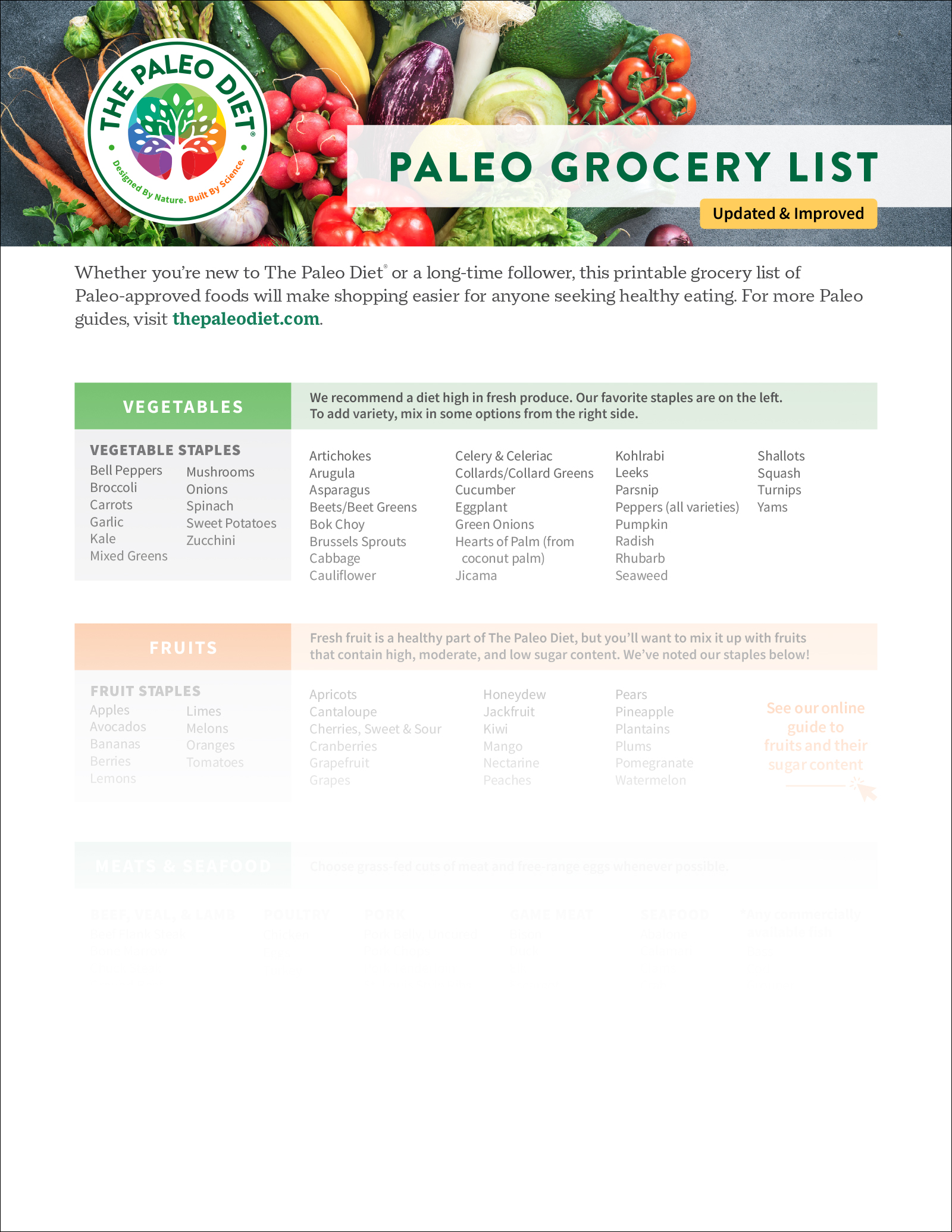
Sign up to get info on healthy nutrition, free recipes, meal prepping, and the latest health research. New subscribers will also receive our Official Paleo Grocery List!
