PMOS and Nutrition: How Food Can Help Manage Symptoms

Before we get started: Polycystic ovary syndrome (PCOS) has been officially renamed polyendocrine metabolic ovarian syndrome (PMOS) following an international expert consensus published in The Lancet. The new name better reflects a condition that affects hormones and metabolism as well as reproductive health. The name is changing; the diagnosis is not.1, 2
PMOS affects the way the body regulates reproductive hormones, insulin, and metabolism. One of its defining features is an imbalance in hormone signaling, often involving elevated levels of androgens, sometimes referred to as male hormones. While women naturally produce androgens, higher levels can contribute to symptoms such as acne, unwanted facial or body hair, irregular menstrual cycles, and difficulty with ovulation.
Beyond reproductive symptoms, PMOS is also associated with insulin resistance, metabolic dysfunction, and an increased risk of developing type 2 diabetes. These changes can occur in women of all body sizes, including those who maintain a healthy weight.³
The exact cause of PMOS is not fully understood, but genetics, hormonal regulation, and metabolic factors all appear to contribute. Because the condition affects multiple systems in the body, managing PMOS often requires a comprehensive approach that includes nutrition, physical activity, sleep, stress management, and individualized medical care.
If you have been diagnosed with PMOS, you may have been told to stop eating sugar or give up carbohydrates. Those instructions can make every meal feel like a test. But understanding how food influences insulin and hormone balance can help you make informed decisions without feeling overly restricted.
A more useful question is: Which changes support your health and symptoms, and which can you comfortably maintain?
The Connection Between Insulin and Hormones
One reason nutrition receives so much attention in PMOS is the relationship between carbohydrates, blood sugar, insulin, and reproductive hormones.
When we eat carbohydrates, our bodies break many of them down into glucose, which enters the bloodstream and stimulates insulin release. Refined carbohydrates and added sugars can cause a rapid rise in blood sugar, increasing the demand for insulin (a hormone made by the pancreas).
Insulin helps cells take in sugar from the bloodstream and use it for energy. With insulin resistance, cells do not respond as readily, and the body may produce more insulin to compensate. Insulin resistance is a common feature of PMOS. Elevated insulin levels can contribute to increased androgen production in women with PMOS, which is why limiting these foods may help support blood sugar regulation and hormonal balance.
Because insulin resistance is common in PMOS, nutrition recommendations often emphasize reducing added sugars and highly refined carbohydrates. This connection explains why nutrition matters, but PMOS is not simply a blood sugar problem. Hormone patterns and symptoms differ from person to person, and someone can have PMOS without having a higher weight.
Ask your healthcare professional about appropriate blood sugar screening rather than relying on symptoms alone. International guidelines recommend assessing glucose status when PMOS is diagnosed and repeating testing according to individual risk. They identify an oral glucose tolerance test as the most accurate available test for this purpose.3
Food As Medicine That Works for You
A useful starting point is to include protein, produce, and a source of fat at meals. Carbohydrate quality deserves more attention than a blanket rule against carbs as a whole. A sweetened drink is not a substitute for a bowl of berries or a baked sweet potato: fruits and vegetables also supply fiber, water, and nutrients.
Research suggests that lower glycemic index eating patterns may improve some metabolic and reproductive measures in people with PMOS. Glycemic index describes how a carbohydrate-containing food affects blood sugar under test conditions; it is only one way to assess a food or meal. The evidence does not establish that everyone with PMOS needs to count carbohydrates or follow a strict low-carb diet.3,4
If sugary drinks or highly refined snacks are an everyday habit, changing their frequency may be a manageable place to begin. You might swap one sweetened drink for water or add protein to a breakfast that usually consists of carbohydrates alone.
Where Does The Paleo Diet® Fit with PMOS?
The Paleo Diet emphasizes foods such as vegetables, fruit, meat, seafood, eggs, nuts, and seeds. Many people find that this framework helps them cook more often and eat fewer highly refined foods. A Paleo-style plate can also make it straightforward to combine protein, produce, and fat. Because this eating pattern naturally limits many sources of added sugars and refined carbohydrates, it may provide a practical framework for people looking to support blood sugar regulation and metabolic health.
That does not make Paleo a proven treatment for PMOS. The international guideline does not recommend one diet composition over another for hormonal, metabolic, reproductive, or psychological outcomes. It recommends healthy eating tailored to a person’s preferences and goals.3
A Paleo-forward diet generally leaves out grains, legumes, and dairy. If Paleo-style meals make eating well easier for you, there is room to use that approach without treating every deviation as a setback.
What Could a Day of Paleo Eating for PMOS Look Like?
These meals show how to put ideas into practice with foods that fit a Paleo pattern:
- Breakfast: Eggs with sautéed spinach and mushrooms, berries, and avocado. If mornings are rushed, leftover chicken and a piece of fruit can work too.
- Lunch: A salmon salad with mixed greens, cucumber, roasted beets, pumpkin seeds, and olive oil dressing.
- Dinner: Turkey meatballs with roasted broccoli and a baked sweet potato. Adjust the portion to your appetite rather than cutting out the sweet potato automatically.
- Snack, if you’re hungry: An apple with almond butter, vegetables with guacamole, or nuts and berries.
These are examples, not a prescription. Notice whether a meal keeps you satisfied and gives you steady energy. Then make it your own.
Do Any Foods “Inflame” PMOS?
It is tempting to want to identify one food as the cause of a symptom. PMOS rarely works that neatly. Evidence does not show that gluten or dairy universally worsens PMOS, and calling an entire food group “inflammatory” can obscure more useful questions: What are you eating overall? How do you feel after meals? Are you getting enough food and a range of nutrients?
Individual reactions still matter. A person may have a food allergy, celiac disease, lactose intolerance, or another reason to avoid a particular food. If you consistently notice adverse digestive symptoms after eating something, investigate that pattern rather than assuming everyone with PMOS needs the same restriction.
How to Try an Elimination Diet
An elimination diet is most useful when you suspect a specific food is linked to a specific symptom. For example, you may want to investigate whether milk contributes to bloating; an elimination diet may provide the answer. Just remember that it cannot diagnose PMOS or prove that a food is disrupting your hormones directly.
- Choose one food to question. Record the symptom and how often it occurs before changing your diet.
- Plan a limited trial. Remove the suspected food and decide in advance when you will reassess. A clinician or registered dietitian can help you replace any nutrients it supplied.
- Keep other changes steady. Removing several foods while starting new supplements makes the result difficult to interpret.
- Slowly reintroduce the food. Compare your symptoms before, during, and after the trial. An unclear result is not a reason to make the restriction permanent.
Talk with a healthcare professional before starting an elimination diet. If food restriction has been stressful for you in the past, an elimination diet may do more harm than good. PMOS guidelines advise against unnecessarily restrictive or nutritionally unbalanced diets and recommend attention to disordered eating during lifestyle care.3
Nutrition Is Only One Piece of the Puzzle
Nutrition can support metabolic health, but it is only one part of PMOS care. All of my naturopathic patients also focus on foundations of care like physical activity, sleep, mindfulness techniques, and self-care. It is important to know that appropriate screening and medical treatment may also matter, depending on your symptoms and goals.3 Managing PMOS through nutrition does not mean eliminating every carbohydrate or following a perfect diet. Understanding the relationship between blood sugar, insulin, and hormone balance can help you make more informed food choices.
Start with a few meals you enjoy and can make again. Notice your energy, satisfaction, and symptoms over time. Build from there and review your symptoms and blood sugar with your clinician. The most useful eating pattern is one that nourishes you, fits your life, and leaves room for changes for your best health.
References
- Teede, H. J., Bahri Khomami, M., Morman, R., Laven, J. S. E., Joham, A. E., Costello, M. F., Patil, M., Rees, D. A., Berry, L., Cree, M. G., Zhao, H., Norman, R. J., Dokras, A., Piltonen, T., & Global Name Change Consortium. (2026). Polyendocrine metabolic ovarian syndrome, the new name for polycystic ovary syndrome: A multistep global consensus process. The Lancet, 407(10545), 2329–2339. https://doi.org/10.1016/S0140-6736(26)00717-8
- MacMillan, C. (2026, June 23). PCOS is renamed PMOS: What you need to know. Yale Medicine. https://www.yalemedicine.org/news/pcos-is-renamed-pmos-what-you-need-to-know
- Teede, H. J., Tay, C. T., Laven, J. J. E., Dokras, A., Moran, L. J., Piltonen, T. T., Costello, M. F., Boivin, J., Redman, L. M., Boyle, J. A., Norman, R. J., Mousa, A., Joham, A. E., & International PCOS Network. (2023). Recommendations from the 2023 International Evidence-based Guideline for the Assessment and Management of Polycystic Ovary Syndrome. Fertility and Sterility, 120(4), 767–793. https://doi.org/10.1016/j.fertnstert.2023.07.025
- Kazemi, M., Hadi, A., Pierson, R. A., Lujan, M. E., Zello, G. A., & Chilibeck, P. D. (2021). Effects of dietary glycemic index and glycemic load on cardiometabolic and reproductive profiles in women with polycystic ovary syndrome: A systematic review and meta-analysis of randomized controlled trials. Advances in Nutrition, 12(1), 161–178. https://doi.org/10.1093/advances/nmaa092
Erin Rhae Biller, ND, FAIHM
Erin Rhae Biller, ND, FAIHM, is a trailblazing licensed naturopathic doctor. In clinical practice and everyday, Dr. Biller's focus centers on the gut-brain-endocrine axis, longevity, and proactive healthcare focused on lifestyle medicine.
More About The Author
Health Benefits and Prevention



The Paleo Diet® Newsletter
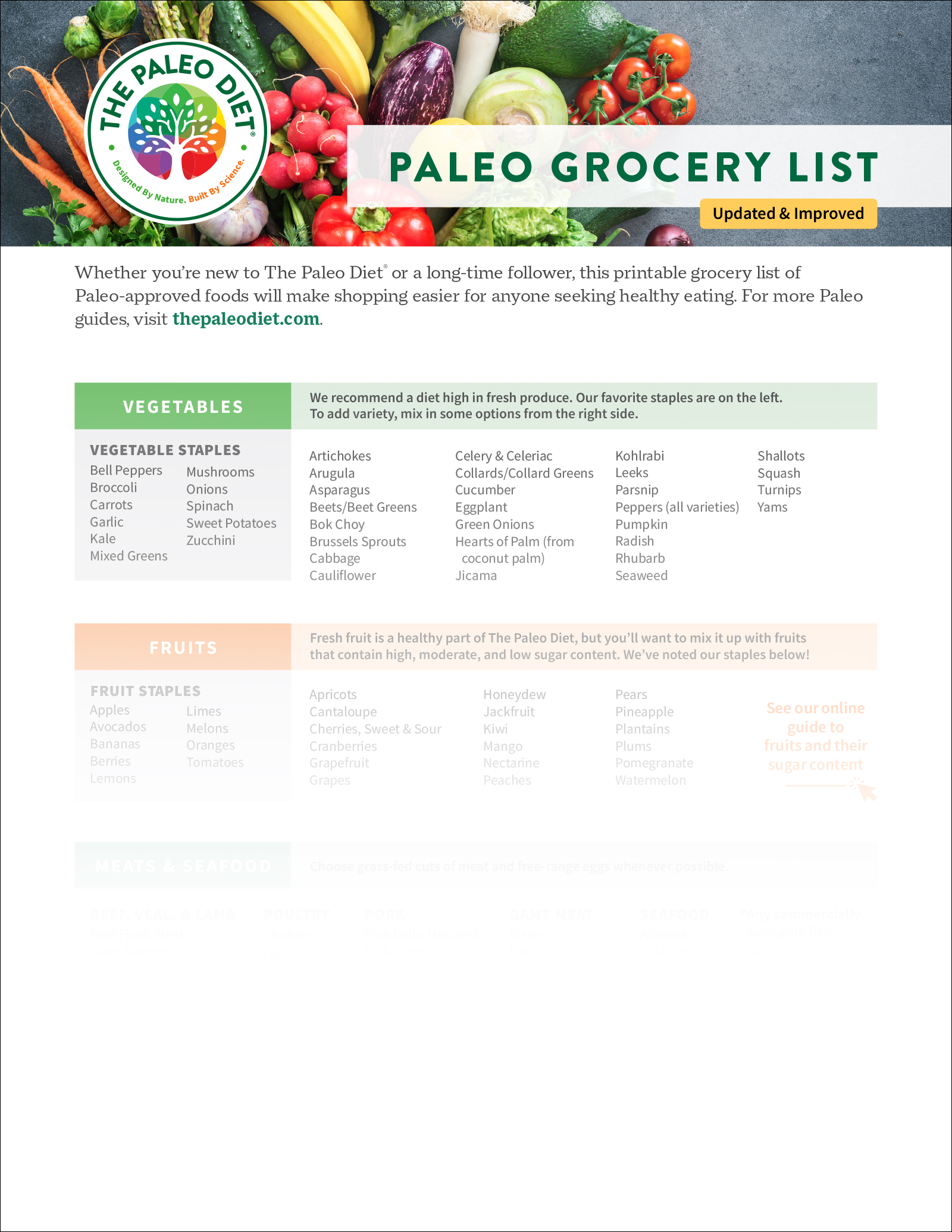
Sign up to get info on healthy nutrition, free recipes, meal prepping, and the latest health research. New subscribers will also receive our Official Paleo Grocery List!
