Optimizing Marathon Nutrition with The Paleo Diet
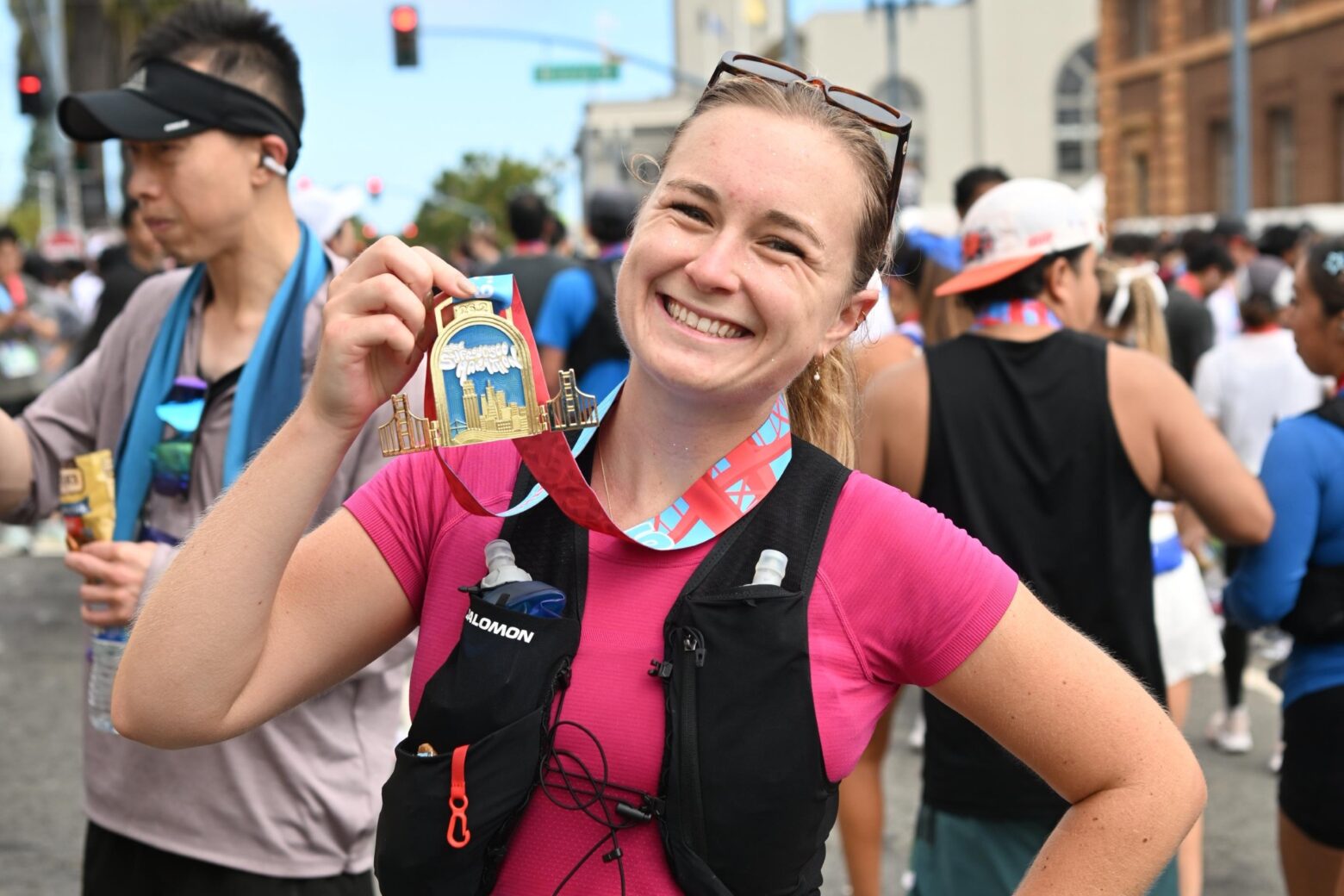
In April 2026, I decided to take on one of my biggest fitness challenges yet: training for the San Francisco Marathon. Why? Because I love having a fitness goal. And because the week after the marathon, I had one of my best friend’s weddings in Hawaii. The timing felt almost too perfect. So naturally, I decided to use it as an opportunity to do something really hard.
Some people told me it sounded crazy. Others asked if I was doing “okay.” My answer was always the same: I’ve never been better, because I eat right.
How I Found My Way to Paleo
Eating healthy has always been important to me. I grew up with what my dad would lovingly call a “granola mom”: someone who “eats like a bird” and exercises every day.
Naturally, when I turned 18 and went to college, I did the only reasonable thing a teenager could do with that newfound freedom: I ate horribly. My version of rebellion looked like ramen noodles at 11 a.m. and pizza at 3 a.m. It didn’t take long before I noticed the consequences. I gained weight, felt miserable, had very little energy, and dealt with acne and other unpleasant side effects. It took me a couple years to realize that lifestyle wasn’t sustainable, and more importantly, it wasn’t self-care.
I wanted to learn how to be healthy on my own terms. I didn’t want to be told what I should eat or how often I should exercise. I wanted to make those choices for myself because it was important to me to feel good and take care of myself for the long haul. Enter The Paleo Diet®.
My transition to a mostly Paleo diet didn’t happen overnight. At first, the idea was intimidating. I started thinking about all the foods I would supposedly give up like ice cream, pizza, bread, and beer, and wondered if eating healthy meant never enjoying food again.
Paleo does require a little more effort. You have to be willing to cook and meal prep. And it helps to have a kitchen you actually enjoy being in. Three years into this lifestyle, I’ve grown to genuinely enjoy those things. But I don’t always have the time for them. Work happens. Travel happens. Friendships happen. Life happens. And sometimes, without realizing it, I lose touch with the habits and values that matter most.
My Marathon Nutrition Changed the Way I Think About Food
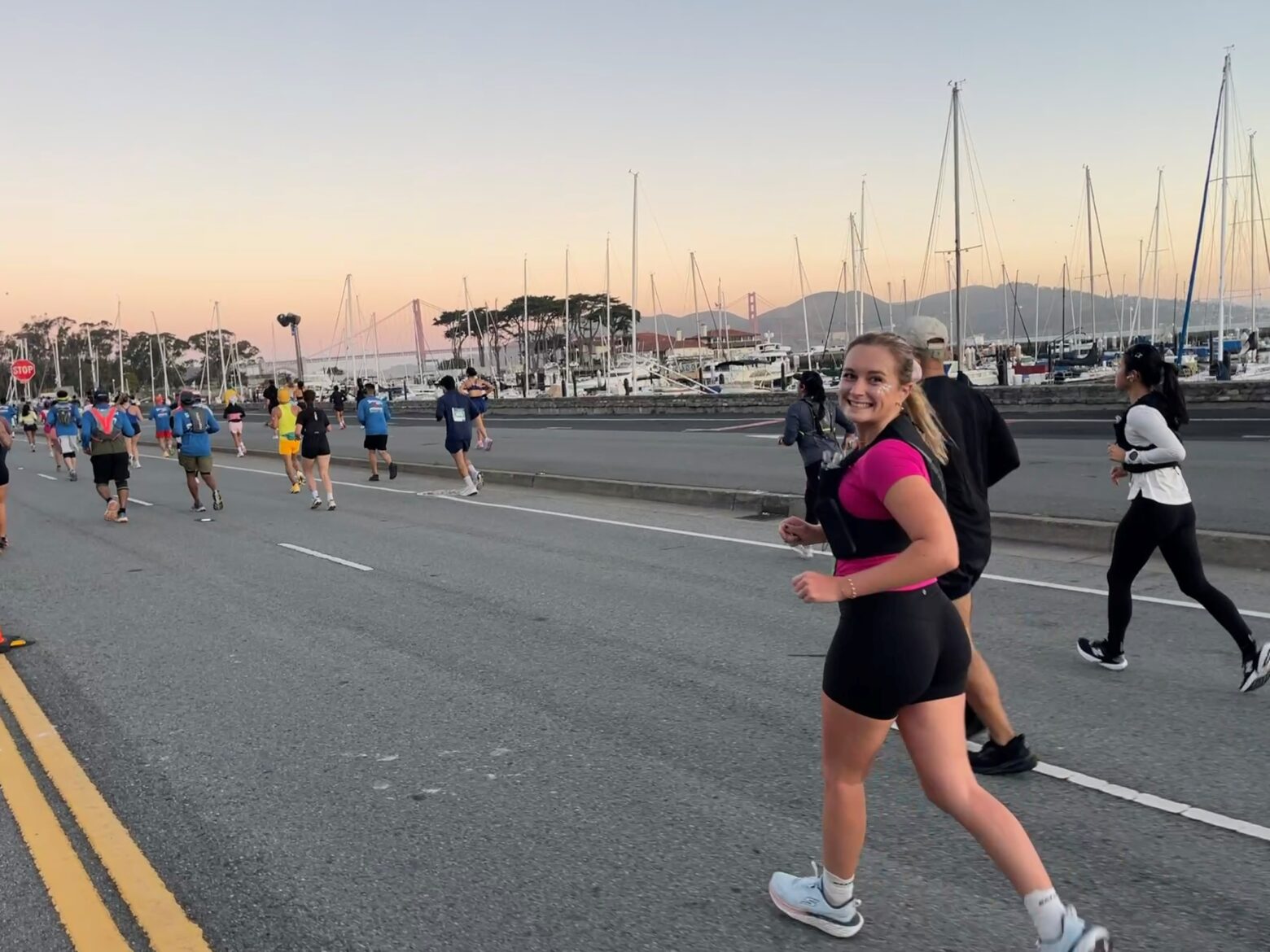
When I started training for the San Francisco Marathon, I made a pact to do everything I could to commit to the training—because training for a marathon is about so much more than running. It’s training your mind to believe in yourself and learning that you can do hard things. It’s understanding the importance of sleep and recovery. It’s walking, stretching, and giving your body the chance to absorb the work you’re putting in. And it’s nutrition.
I’ve learned during this training cycle that food quality matters more when my body is constantly being asked to perform. When I’m running 25–35 miles a week, my body experiences a lot of stress. That doesn’t mean every meal needs to be perfect. It does mean that what I eat consistently can have a real impact on how I feel, recover, and show up for the next run.
For me, that means building most of my meals around whole, minimally processed foods, with plenty of protein, healthy fats, fiber, fruits, and vegetables. I find that these foods help me feel fueled and satisfied between workouts while giving my body the nutrients it needs throughout a demanding training week. And I’ve learned that marathon nutrition isn’t just about what you eat. It’s about when you eat, too.
As Jack Daniels’ Running Formula puts it, “Good sleep and nutrition are active parts of training, not extras.”1 That mindset has become especially important to me during marathon training. A run isn’t finished when I stop my watch. Recovery is part of the workout, too.
How I Eat for a Long Run
I’ve experimented quite a bit in my four months of training with what makes me feel best before, during, and after my longer runs. This is what has worked for me:
- Two nights before a long run: Lots of water, chicken or steak, and a salad.
- The night before: Half serving of ground beef or turkey, one small sweet potato, kale or another green vegetable, and avocado.
- The morning of: A banana or apple with nut butter.
- During the run: Skratch Labs energy chews, nut butter, honey packets, and water.
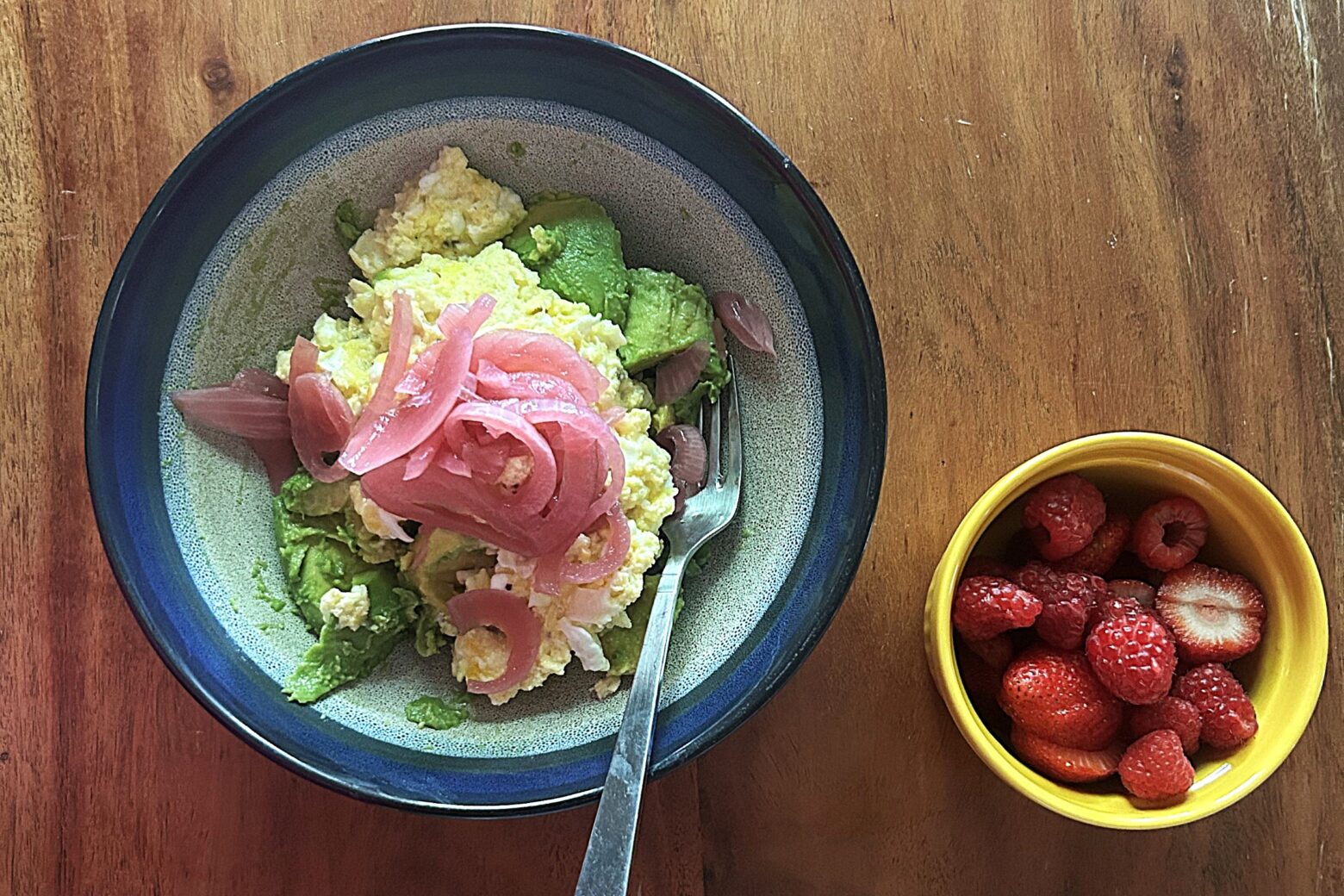
- After the run: Two eggs with sea salt, avocado, berries, and tons of water.
My use of Skratch Labs is a good example of where my approach to Paleo gets practical. The Boulder-based company was created after exercise physiologist Dr. Allen Lim saw athletes struggling with overly sweet, artificial drinks and set out to create fuel that was easier on the gut while still being grounded in sports nutrition science.2,3 That philosophy—that fueling should help performance without sacrificing comfort—is something I’ve come to appreciate during long training runs.
RELATED: Paleo Recipes for Athletes
The 85/15 Rule
One of the biggest things I’ve learned from following a mostly Paleo diet is that it doesn’t have to be all or nothing. I follow an 85/15 approach. If I’m eating Paleo about 85% of the time, I still feel like I’m getting the benefits of the lifestyle without making food feel restrictive or stressful.
So go eat the ice cream. Have the pizza. Drink the beer. Whatever it is you’re craving, enjoy it when you want it. You deserve to enjoy your food, and you don’t need to punish yourself for having cravings or eating something that doesn’t fit neatly into your usual diet. Paleo is a framework, not a strict rulebook.
The Carb Conundrum
The hardest part of eating mostly Paleo while training for a marathon has been carbs.
If you’re anywhere in the endurance sports world, you’ve probably heard the term carb loading. Carbohydrates are a major source of energy during exercise, and our bodies store carbohydrates as glycogen in the muscles and liver to use when running.
As Runner’s World explains, carbohydrates are especially important for endurance athletes because they help replenish glycogen stores and provide the energy needed to sustain longer efforts.4
Since a mostly Paleo approach eschews some high-carb options like grains, beans, and legumes, you’re working instead with foods like squash, carrots, beets, sweet potatoes, dates, berries, and bananas. So you have to get creative. And sometimes, I add a few non-Paleo carbohydrates into the mix. For me, that has meant sourdough bread because it tends to digest well and doesn’t leave me feeling bloated. And I’m okay with that.
The goal isn’t to win an award for eating perfectly Paleo. The goal is to fuel my body well enough to recover, stay healthy, enjoy the process, and perform on race day.
RELATED: The Endurance Training Dilemma: High Carb vs. Low Carb
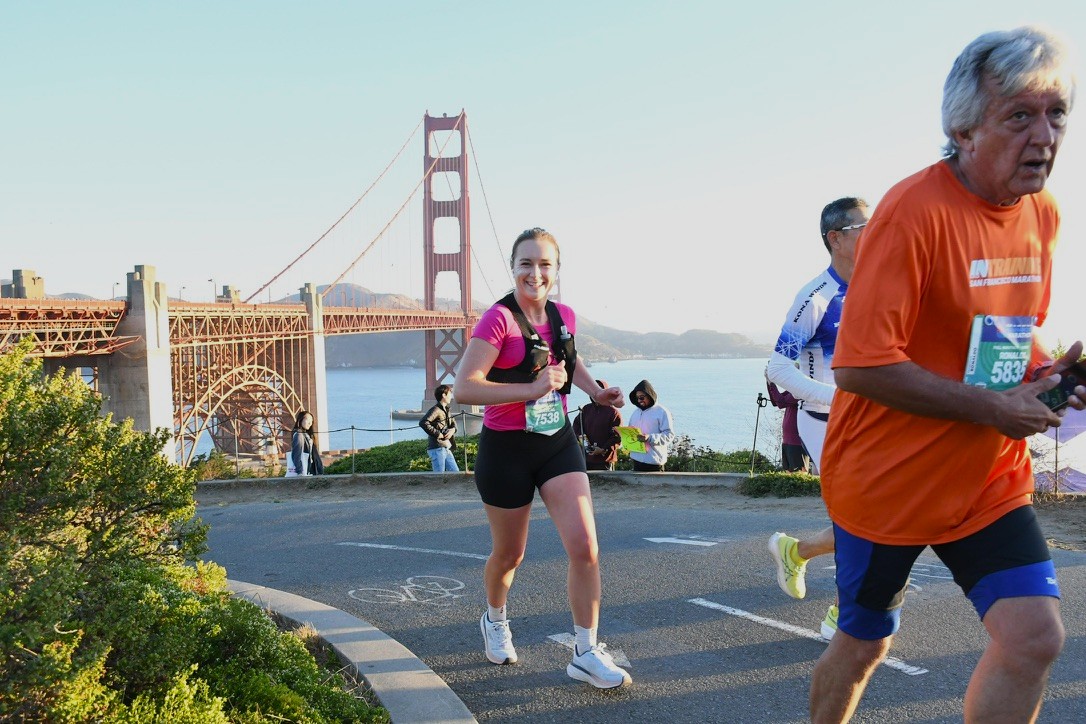
Mostly Paleo, Fully Committed
I’ve realized that marathon nutrition has made me care less about whether a food is technically “Paleo” and more about whether it helps me feel and perform my best.
That might mean a plate of eggs, avocado, and berries after a run. It might mean a sweet potato before a long training day. It might mean honey or an energy chew halfway through a 15-mile run. And sometimes, it means sourdough toast or skittles.
My version of Paleo isn’t about restriction. It’s about paying attention to food quality and understanding what my body needs, especially when I’m asking it to run 25 to 35 miles a week. I want to fuel my body with foods that help me recover, stay healthy, and that I actually enjoy.
For me, that means prioritizing whole foods most of the time, while being willing to use carbohydrates strategically when my training demands them. Because ultimately, I don’t want to just cross the finish line. I want to feel strong getting there.
References
- Daniels, J. (2014). Daniels’ running formula (3rd ed.). Human Kinetics.
- Skratch Labs. (n.d.). About us. https://www.skratchlabs.com/pages/about-us/1000
- Skratch Labs. (n.d.). Frequently asked questions. https://www.skratchlabs.com/pages/frequently-asked-questions
- Runner’s World. (2026). The best carbs for runners, according to a dietitian and coach. https://www.runnersworld.com/nutrition-weight-loss/a71726331/best-carbs-runners/
Ellie Newman
Ellie Newman has a BS in Marketing with a minor in Journalism from the University of Colorado Boulder, where she built a strong foundation in storytelling, strategy, and audience engagement. She has since worked with both startups and large-scale companies, helping grow their marketing, events, and social media presence.
More About The Author
Community Stories




The Paleo Diet® Newsletter
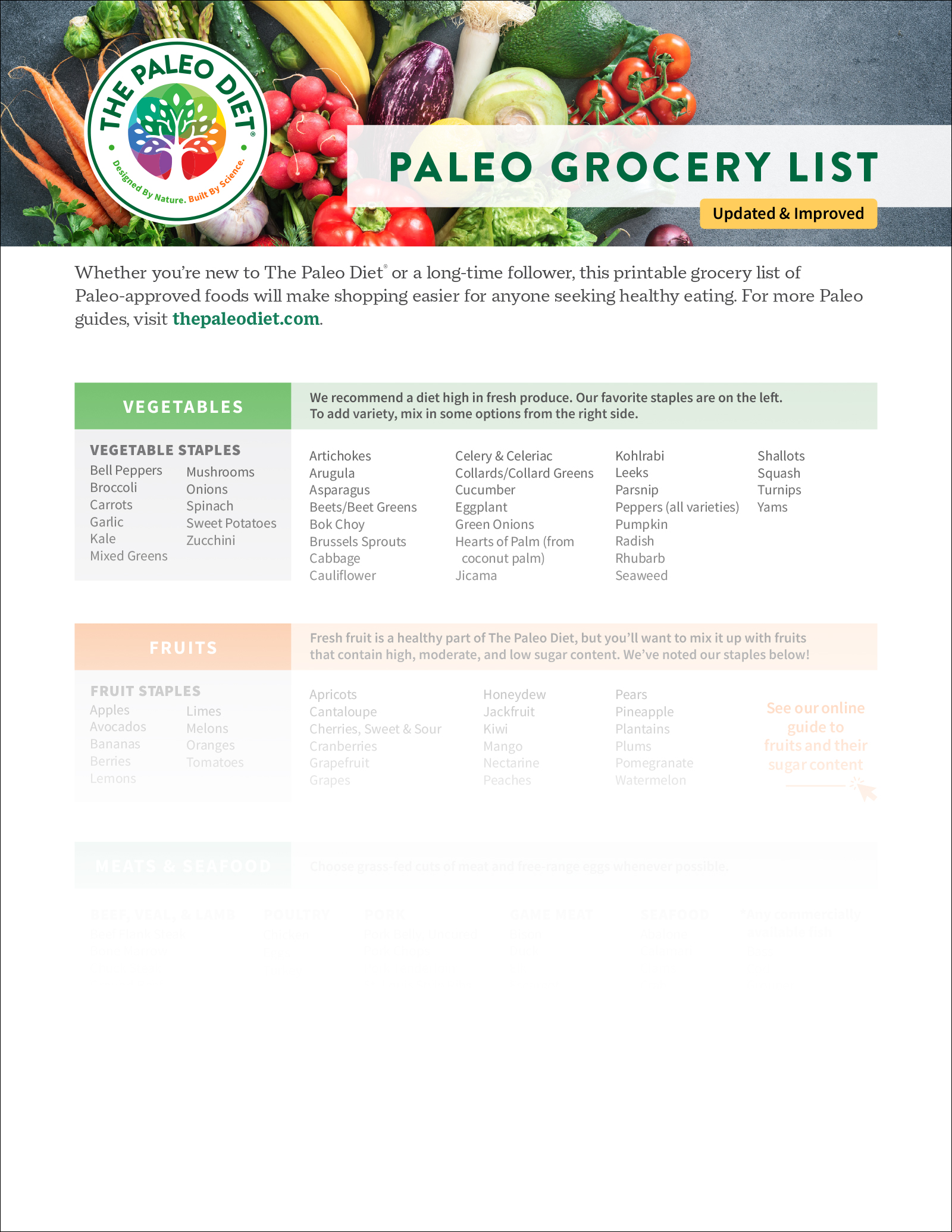
Sign up to get info on healthy nutrition, free recipes, meal prepping, and the latest health research. New subscribers will also receive our Official Paleo Grocery List!
